

 English
  Español
  русский
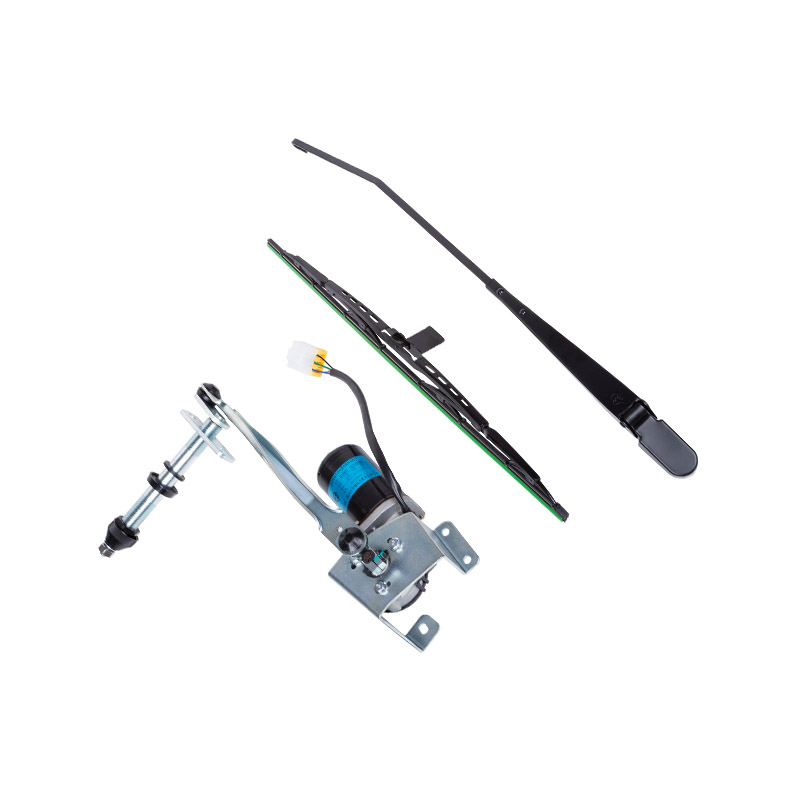
 Marine environments are among the harshest conditions for mechanical and electrical equipment. High humidity, constant exposure to saltwater, and fluctuating temperatures create a corrosive atmosphere that quickly wears down poorly selected materials. For vessels, one of the critical components ensuring safe navigation is the wiper system. When heavy rain, sea spray, or storms reduce visibility, the durability of wiper systems directly impacts safety. This article explores material selection in marine wiper systems, focusing on components such as the boat wiper motor kit, stainless steel wiper arms, and stainless wiper blades.
Challenges of Saltwater Corrosion
Saltwater is highly corrosive because it accelerates the electrochemical reaction that breaks down metals. Unlike freshwater environments, marine conditions expose equipment to both liquid water and airborne salt particles. This advances to pitting, rusting, and eventual structural weakening. Wiper systems on vessels face additional mechanical stress since they operate frequently during voyages in rough weather. Therefore, choosing corrosion-resistant materials is not just a matter of performance but of long-term safety and cost-effectiveness.
Material Considerations for Wiper Components
When selecting materials for marine wiper systems, several factors should be considered:
Corrosion resistance: The ability to withstand saltwater exposure without degradation.
Mechanical strength: The capacity to endure constant motion and pressure.
Ease of maintenance: How simple it is to clean, repair, or replace parts.
Compatibility: Ensuring different materials do not cause galvanic corrosion when in contact.
The combination of these factors helps determine which materials are suitable for use in specific wiper system parts.
Boat Wiper Motor Kit Materials
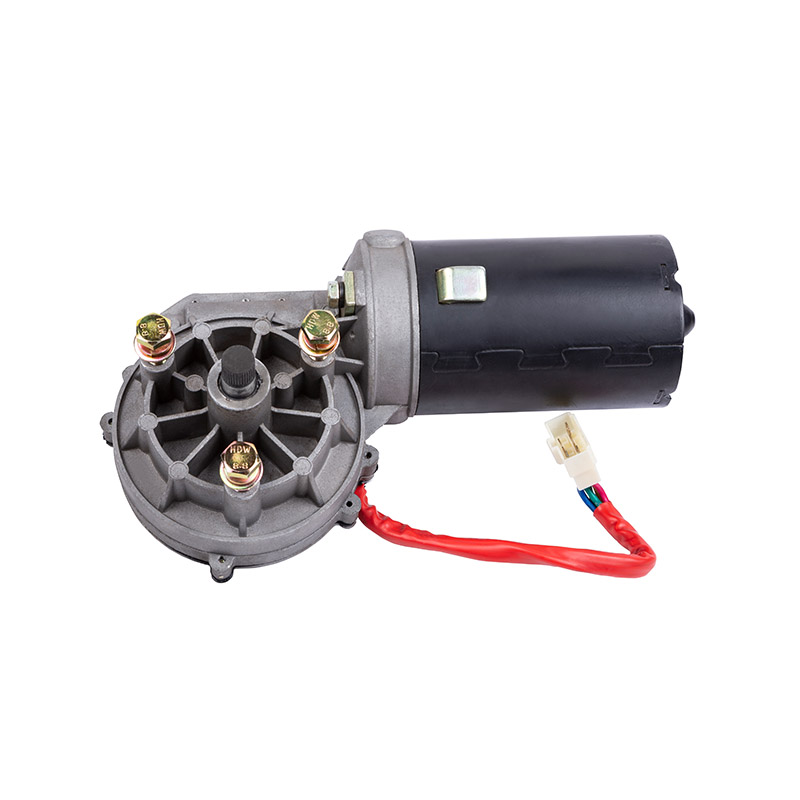
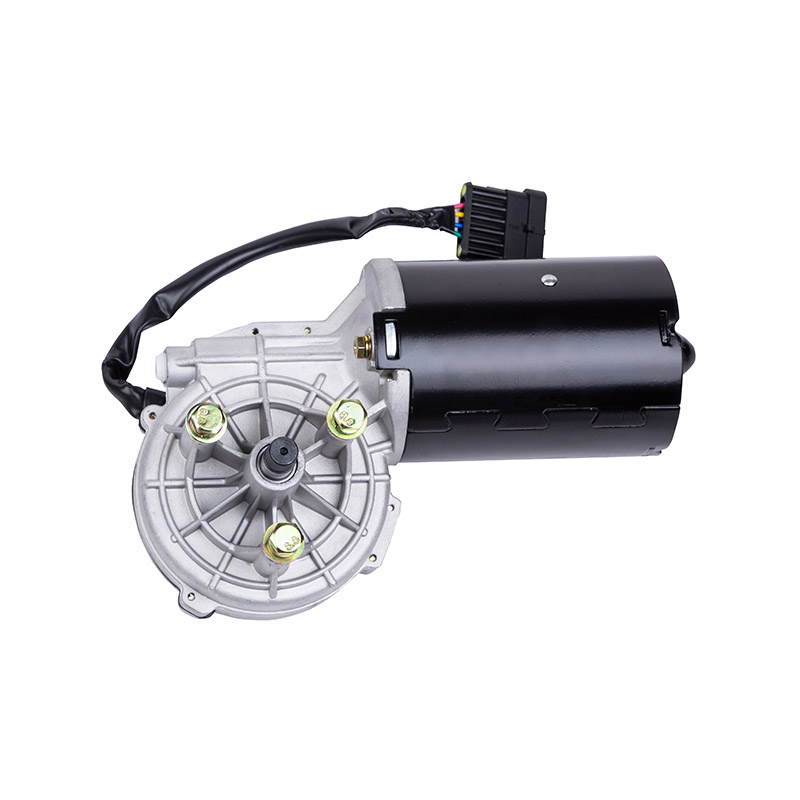
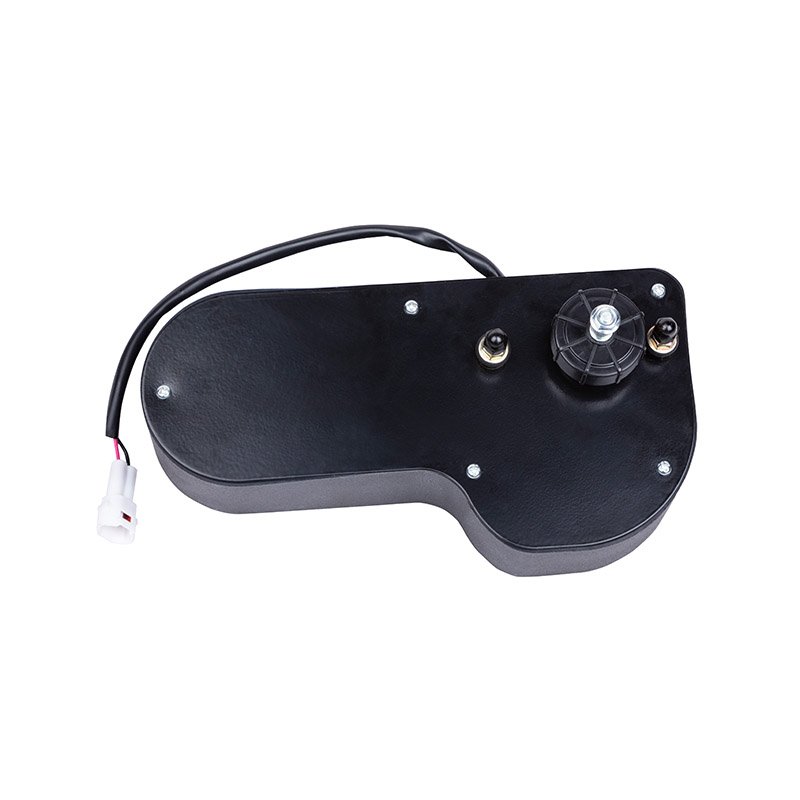
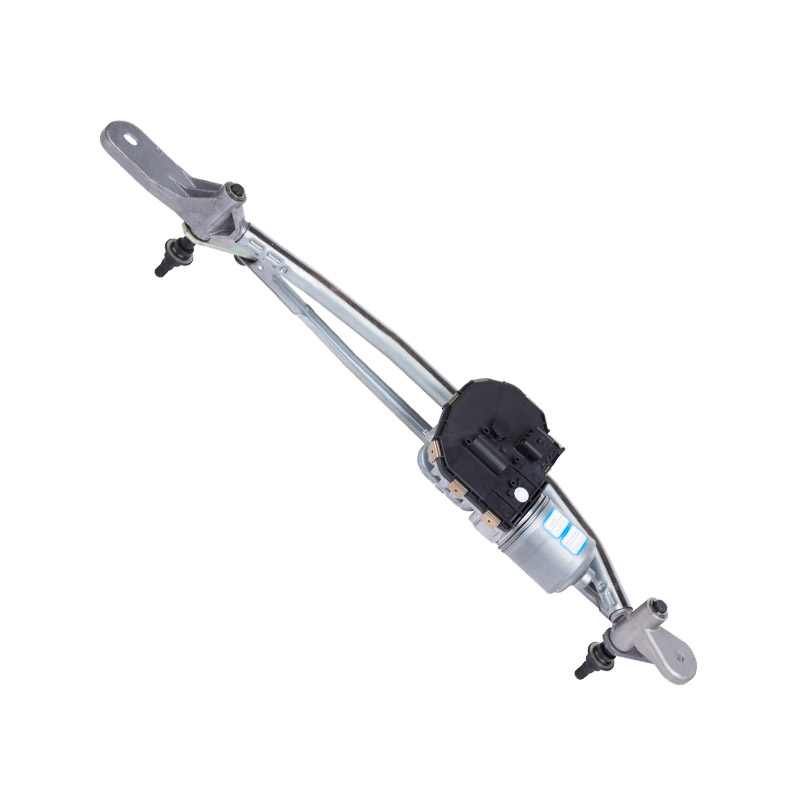
The boat wiper motor kit is the powerhouse of the wiper system. It must deliver consistent torque and speed even under wet and windy conditions. Motor casings are often made of aluminum or coated steel, but in marine settings, protective treatments such as powder coating or anodizing are essential. Internal components like shafts are frequently stainless steel to resist rust. Seals and gaskets are also crucial, as they prevent water ingress that could damage the motor's internal wiring. Choosing high-quality insulation materials ensures that the motor can withstand prolonged exposure to moisture without short-circuiting.
Stainless Steel Wiper Arms
The stainless steel wiper arms play an important role in connecting the motor mechanism to the blades. They must be rigid enough to maintain steady contact with the windshield but flexible enough to endure continuous motion. Stainless steel is a preferred material because it offers both mechanical strength and corrosion resistance. Grades such as 316 stainless steel are widely used in marine equipment, as they contain molybdenum, which enhances resistance to chloride-induced corrosion. Regular cleaning helps extend their service life, as even stainless steel can accumulate surface stains in salty environments.
Stainless Wiper Blades
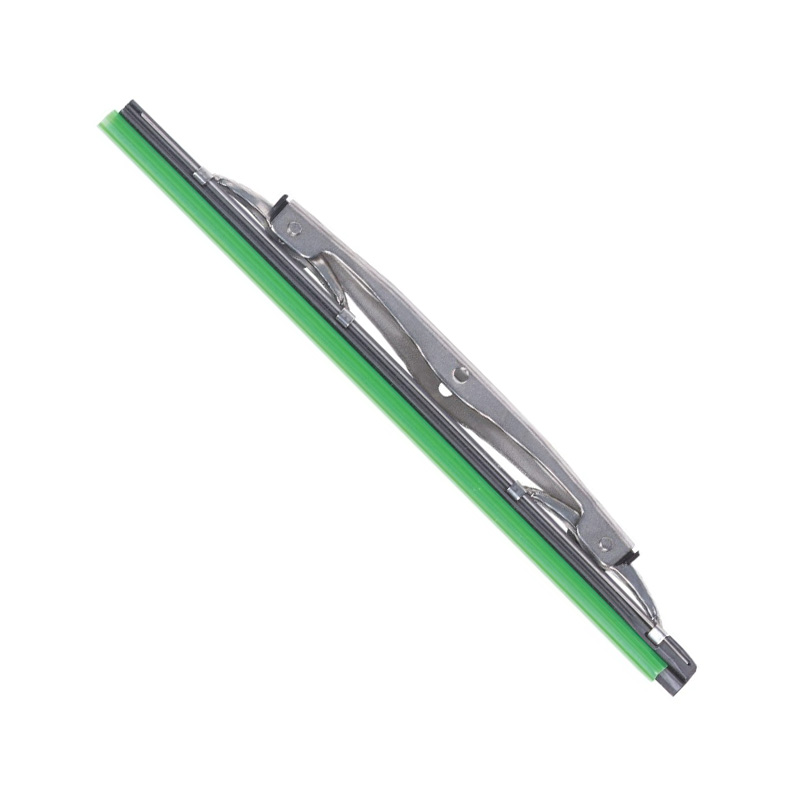
The stainless wiper blades are in direct contact with the windshield and are exposed to continuous friction, water, and salt particles. Using stainless steel in blade frames prevents rust and ensures steady pressure along the glass surface. The wiping edge itself is often rubber or silicone, supported by stainless housings to maintain structure. A well-designed stainless blade prevents streaking, improves visibility, and reduces the likelihood of early failure. For vessels that spend extended time at sea, choosing stainless blades can significantly lower replacement frequency.
Maintenance Practices to Support Material Selection
Even with corrosion-resistant materials, maintenance is essential to maximize performance. Vessel operators should:
Rinse wiper systems with freshwater after voyages to remove salt deposits.
Inspect stainless components regularly for surface stains or pitting.
Lubricate moving parts to reduce friction and protect against wear.
Replace worn rubber edges of blades promptly to avoid glass scratching.
Check motor seals to confirm they remain watertight.
Proper care works hand in hand with material selection to ensure reliable performance over time.
Future Trends in Marine Wiper System Materials
Material science continues to improve corrosion resistance for marine applications. Coated stainless steels, advanced polymers, and hybrid composites are being explored to increase durability while reducing weight. For motors, enhanced sealing techniques and more efficient waterproof casings are expected to reduce maintenance needs. These developments aim to extend service life and support the growing demand for reliable marine safety equipment.
The marine environment demands careful material selection to protect equipment from saltwater corrosion. For wiper systems, using durable components such as boat wiper motor kits, stainless steel wiper arms, and stainless wiper blades is a practical approach to ensuring performance and safety. While materials provide a strong foundation, consistent maintenance remains just as important. By combining corrosion-resistant materials with proper care, vessels can maintain clear visibility even under challenging conditions, supporting safer navigation across all types of waters.