

 English
  Español
  русский
 Marine vessels operate in some of the more demanding environments, where visibility is critical for safety and efficiency. From fishing boats working near coastlines to large offshore vessels navigating through rough seas, the marine wiper system plays a central role in maintaining clear windshields and safe operations. These systems are made up of several components, including marine wiper arms & blades, marine windshield wiper arms, and other supporting parts of wiper assemblies. Understanding their applications in coastal and offshore settings provides valuable insights into their design, function, and importance.
The Role of Marine Wiper Systems in Coastal Waters
Coastal vessels, such as patrol boats, ferries, and fishing vessels, frequently face conditions such as heavy rain, sea spray, and fog. In such situations, the marine wiper system ensures that operators maintain a clear field of vision.
Marine wiper arms & blades are designed to handle saltwater exposure and constant contact with moisture. Unlike automotive systems, they are constructed with materials that resist corrosion and deliver consistent wiping performance even under continuous operation. Coastal vessels often rely on these systems for frequent short trips, where rapid and effective clearing of the windshield is crucial for docking, navigation through narrow channels, and avoiding smaller crafts.
Applications on Offshore Vessels
Offshore vessels, including cargo ships, supply boats, and drilling support units, encounter harsher and longer-lasting weather conditions compared to coastal vessels. Waves, wind-driven spray, and storms can reduce visibility dramatically. In these situations, marine windshield wiper arms and blades need to deliver extended durability and stable performance.
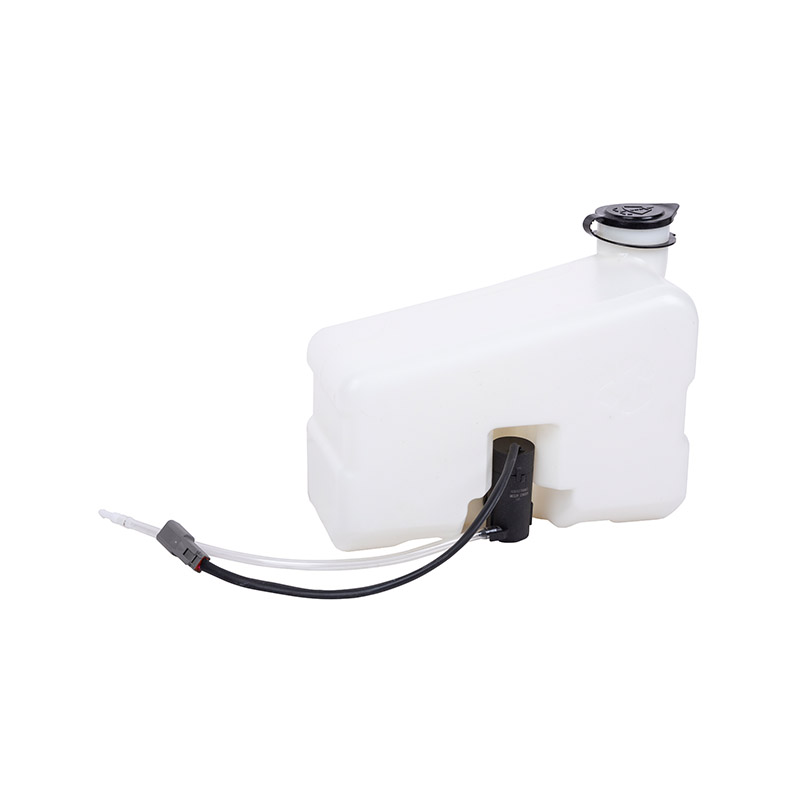
Offshore operations often require vessels to remain at sea for weeks or months. This means the parts of wiper assemblies, such as motors, arms, and blades, must be able to withstand continuous cycles without premature wear. Offshore vessels may also integrate wiper systems with washers that spray fresh water or cleaning solutions, helping to remove salt deposits and improve visibility during storms.
Marine Wiper Arms & Blades
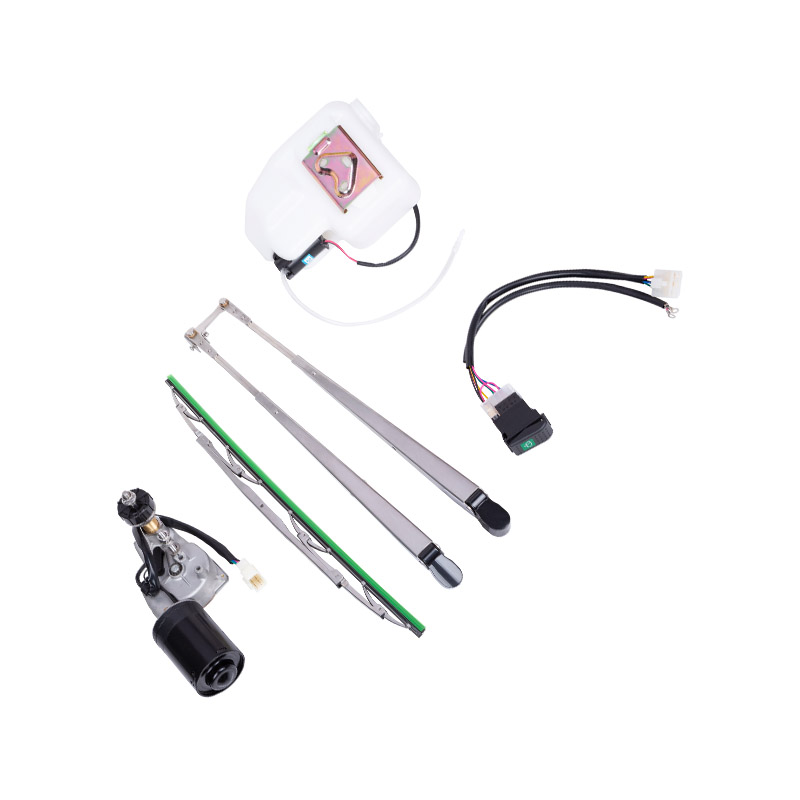
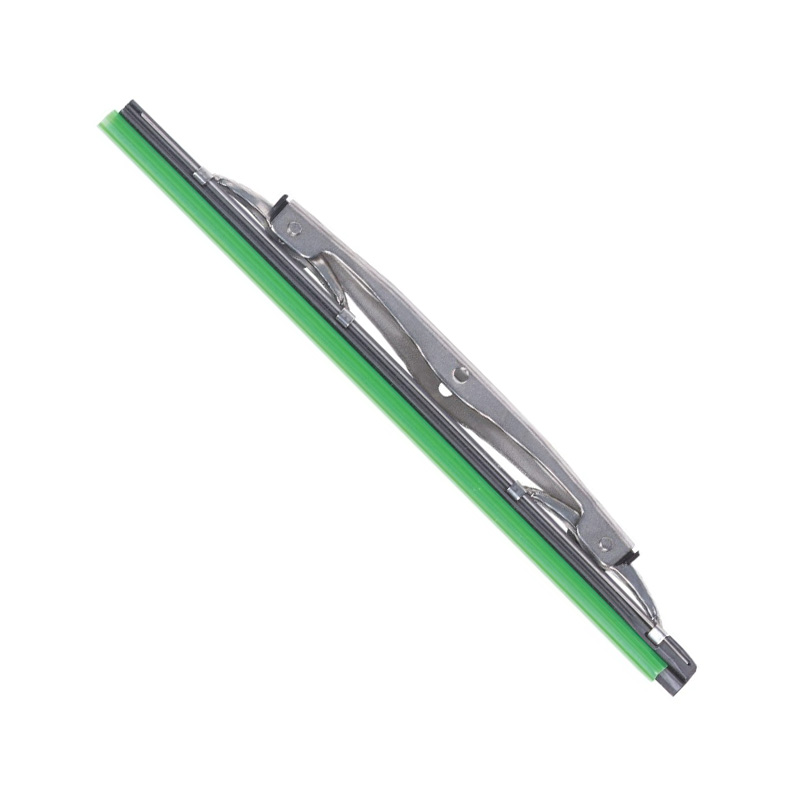
Marine wiper arms & blades are the more visible and active parts of wiper systems. They are engineered to press evenly against the windshield, ensuring efficient water removal. In coastal and offshore applications, the arms are usually made from stainless steel or treated alloys to resist corrosion. The blades themselves may feature reinforced rubber or synthetic materials to withstand exposure to ultraviolet light and saltwater.
The length and sweep angle of marine wiper arms & blades are carefully selected depending on the size of the vessel's windshield. On larger ships, longer arms and heavy-duty blades provide broader coverage, while smaller vessels may use compact versions that balance performance with space efficiency.
Marine Windshield Wiper Arms in Harsh Environments
Marine windshield wiper arms serve as the connecting link between the motor and the blade. They must not only hold the blade securely but also transfer consistent pressure across the glass surface. In harsh offshore conditions, these arms face the dual challenge of mechanical stress from constant motion and environmental exposure to salt, wind, and debris.
Durability is often achieved through coatings or treatments that extend the service life of the arms. Properly designed wiper arms reduce uneven wiping and streaks, which is especially important for navigation officers relying on clear vision in stormy conditions.
Parts of Wiper Systems and Their Integration
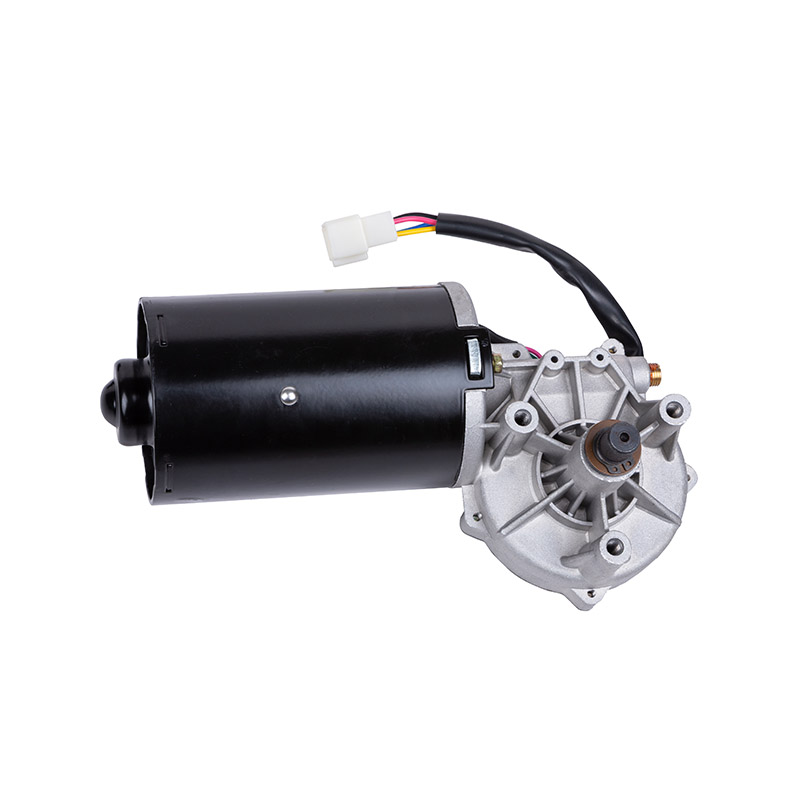
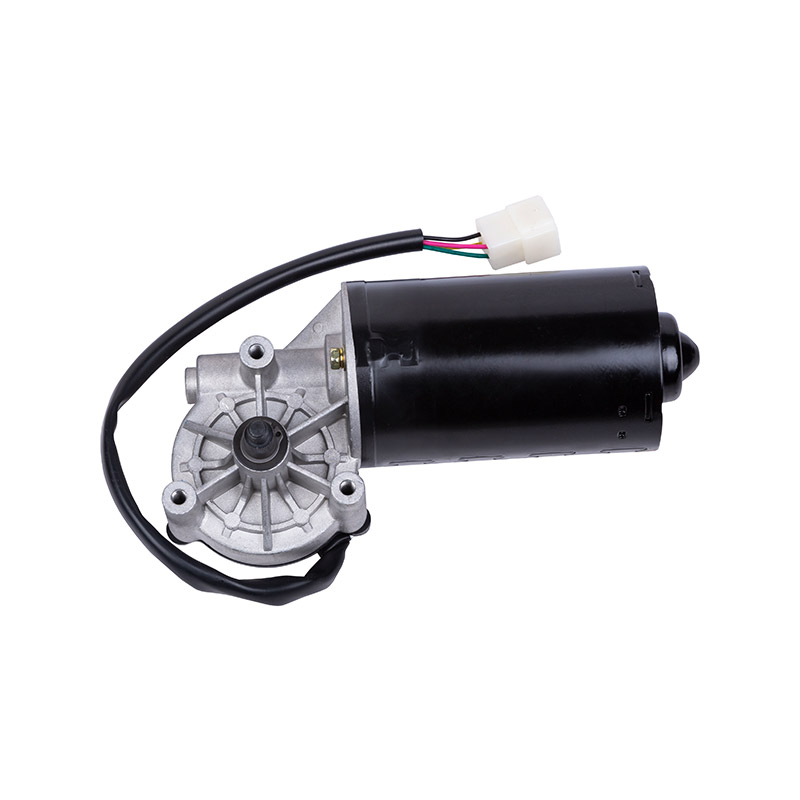
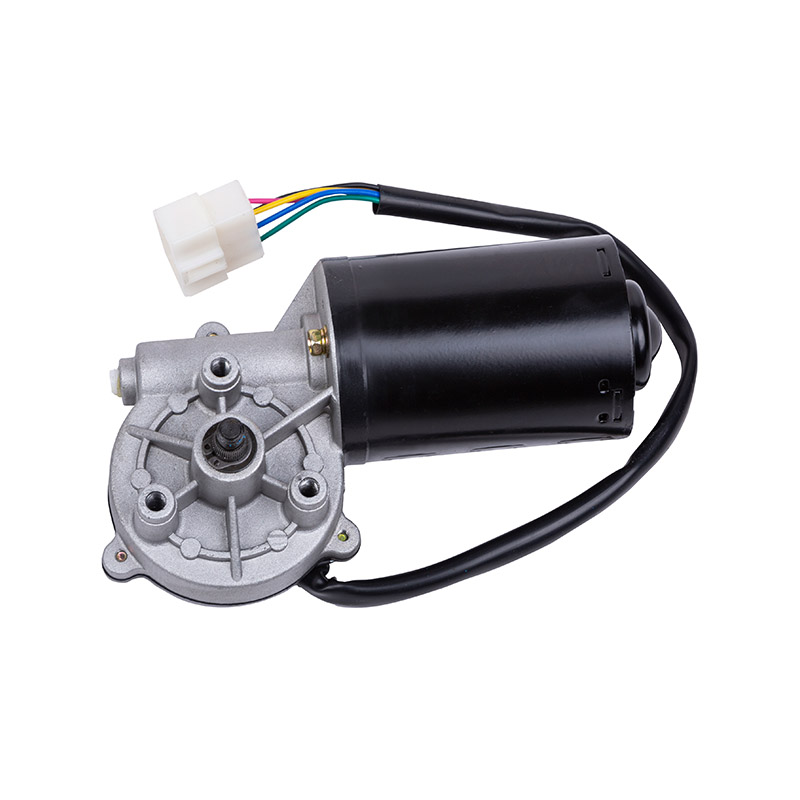
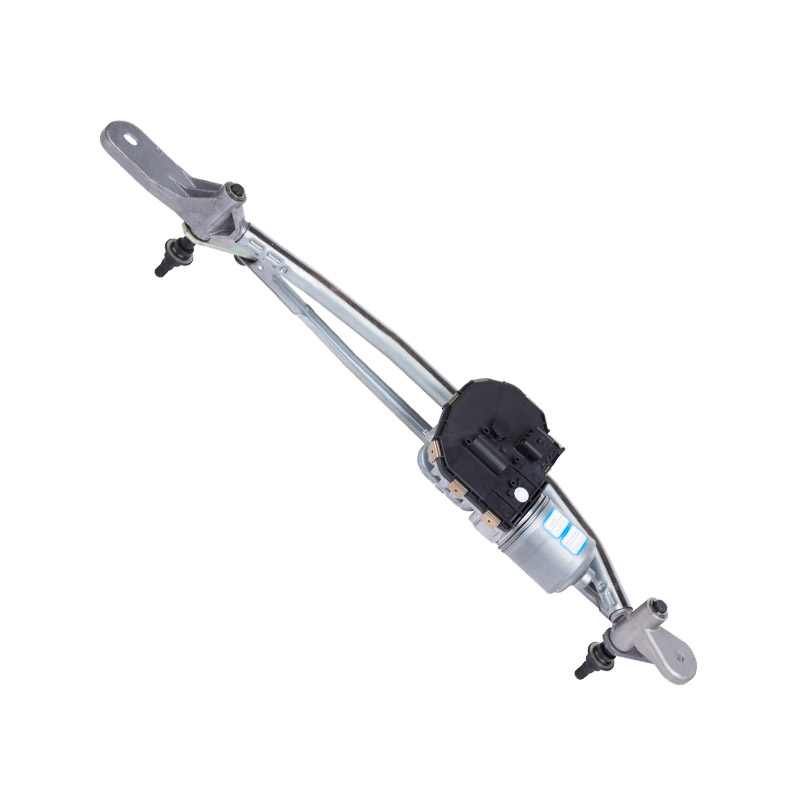
Beyond the arms and blades, other parts of wiper systems are equally important. Motors provide the necessary torque to drive the arms, linkages synchronize the wiping motion, and washer pumps assist in removing salt deposits. Each component must work in harmony to deliver reliable performance.
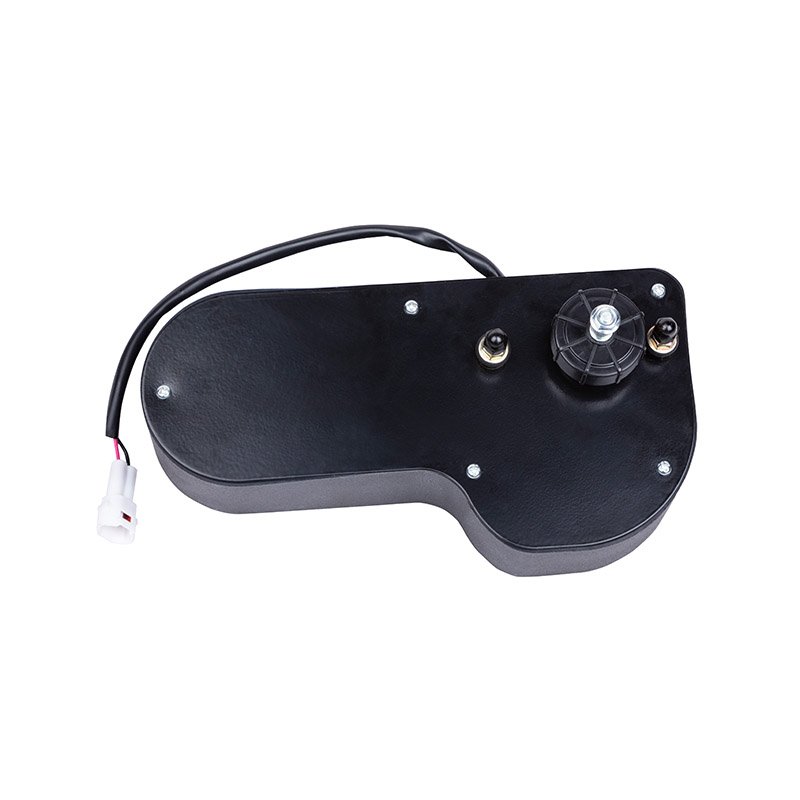
In coastal and offshore applications, the choice of motor strength and sweep mechanism is crucial. Some vessels use pantograph wiper systems, where dual arms move in parallel to cover a wide area of glass. Others rely on simple pivoting systems, suitable for smaller windows. Each design depends on the vessel type and operational requirements.
Maintenance and Operational Considerations
Regular maintenance of marine wiper systems is essential to keep them functioning effectively. Salt deposits can accumulate quickly, pilot to premature wear of blades and moving parts. Routine inspection ensures that marine windshield wiper arms remain properly aligned, blades maintain their flexibility, and motors operate without strain.
Replacing worn parts of wiper systems on time helps prevent larger failures. In both coastal and offshore applications, timely care reduces the risk of visibility loss during critical navigation. Operators are encouraged to stock spare blades and arms to handle sudden wear during extended voyages.
Marine wiper systems are indispensable for coastal and offshore vessels, ensuring safety and operational efficiency in environments where visibility can be compromised. With components such as marine wiper arms & blades, marine windshield wiper arms, and other essential parts of wiper assemblies, these systems are built to handle continuous exposure to rain, salt, and debris. Their applications across different types of vessels highlight the importance of thoughtful design, durable materials, and proper maintenance. As maritime operations continue to evolve, the role of marine wiper systems in safeguarding navigation remains a constant priority.