

 English
  Español
  русский
 Driver visibility is a critical factor in ensuring safe and efficient railway operations. Trains travel through a wide variety of environments, from urban centers to remote regions, and weather conditions can change rapidly. Rain, snow, dust, and fog often affect the windscreen and reduce the operator's ability to see clearly. To address this challenge, the railway wiper system plays a vital role. A reliable wiper mechanism keeps the windscreen clear, allowing drivers to maintain awareness of signals, tracks, and potential obstacles. Understanding the construction, applications, and maintenance of railway wiper systems also provides insights into their relationship with other industries, including the use of boat windshield wiper blades, boat wiper arms, and car accessories wiper blades.
Importance of Visibility in Railway Operations
Visibility is not just a comfort issue; it directly affects railway safety. When drivers lose a clear view of the track, the risks of delays or accidents increase. A functioning wiper system ensures that rainwater, snow, or even industrial dust is effectively removed from the windscreen. Just as drivers on the road or operators at sea depend on their wipers, railway engineers rely on high-performing wipers to carry out their tasks confidently.
Railway Wiper System Structure
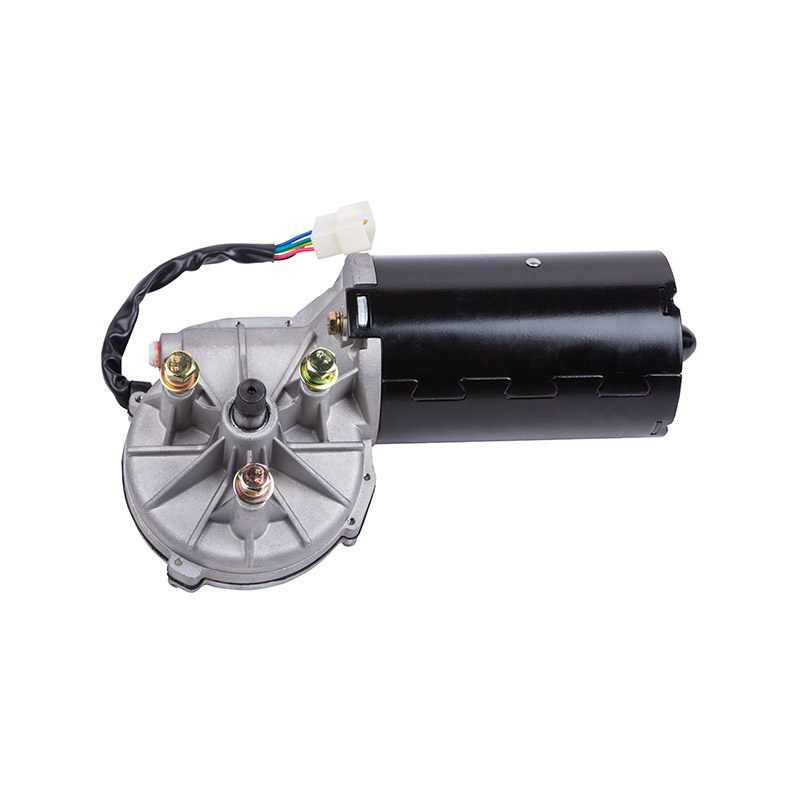
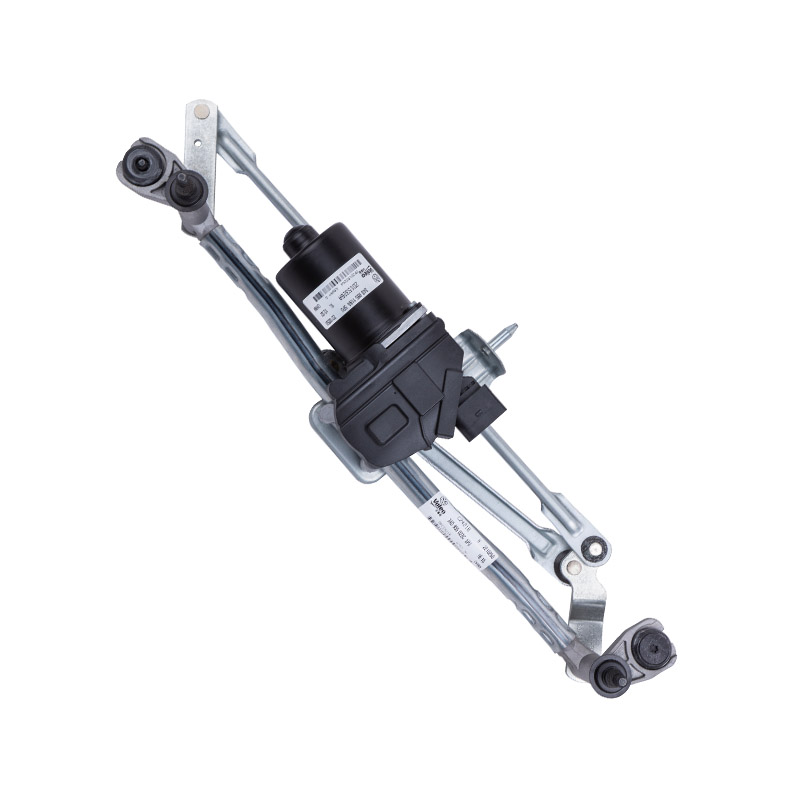
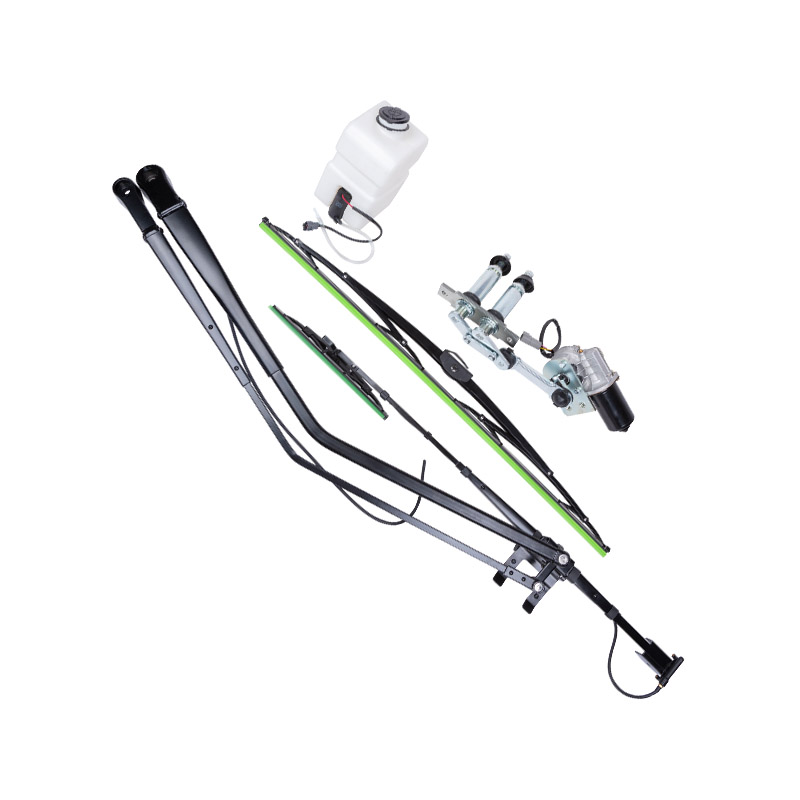
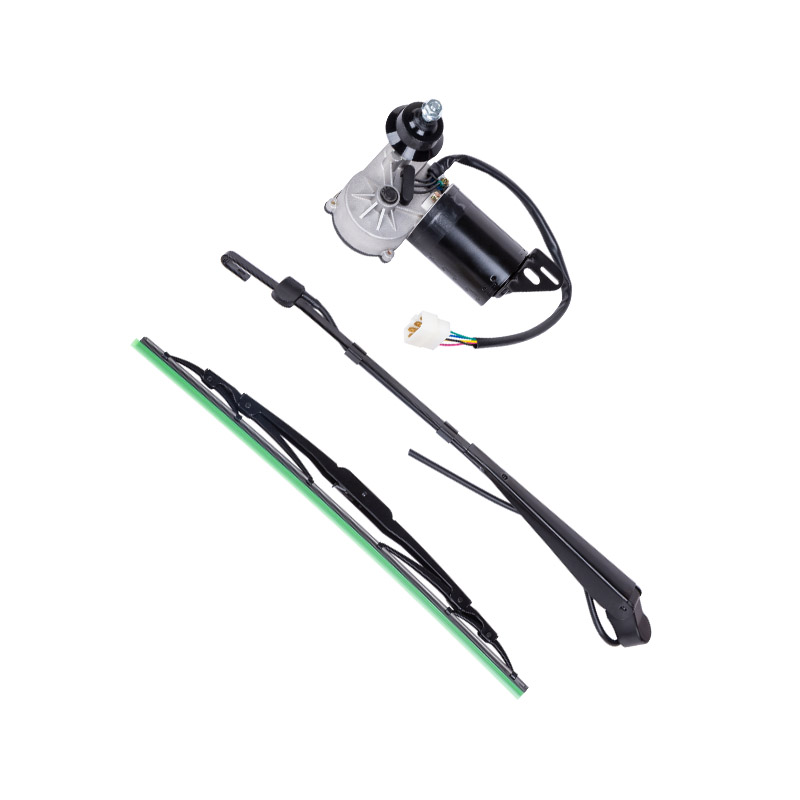
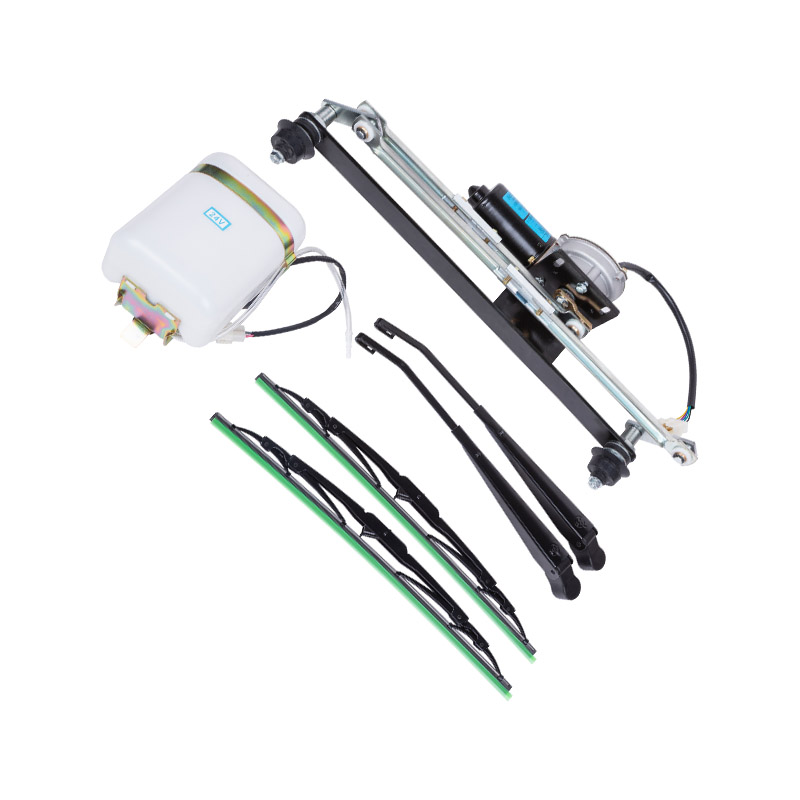
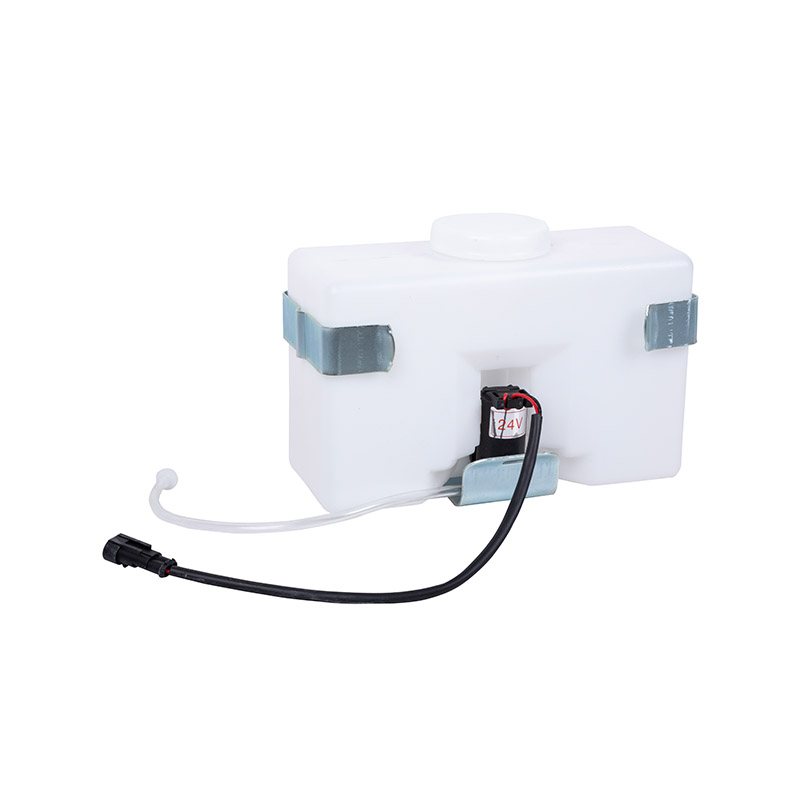
The railway wiper system is composed of several key parts: the wiper motor, wiper arm, wiper blade, and connecting accessories.
Wiper Motor: Provides the necessary torque to drive the system and withstands continuous use in heavy rain.
Wiper Arm: Connects the motor to the blade, designed for durability and proper pressure distribution.
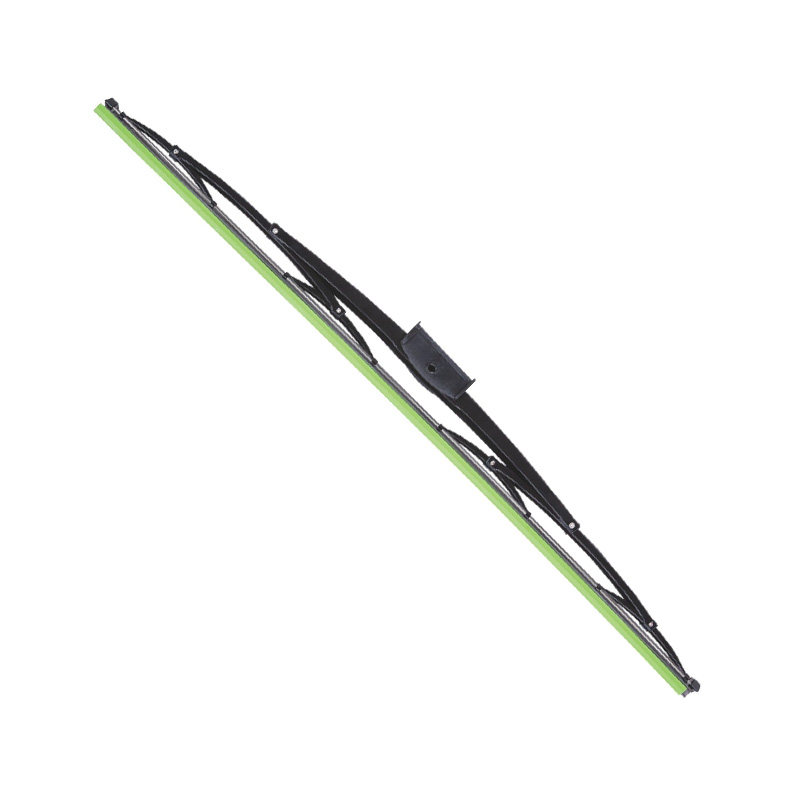
Wiper Blade: The part in direct contact with the glass, responsible for sweeping away moisture and dirt.
Accessories: Various connectors and mounting parts ensure the system operates smoothly and securely.
This structure is similar in concept to systems used in cars and boats, although railway systems are typically larger and designed for longer duty cycles.
Comparison with Marine and Automotive Wipers
The principle of wiping a windscreen is universal across industries. For example, boat windshield wiper blades are essential for ensuring clear visibility at sea, where salt spray, rain, and waves regularly affect navigation. Similarly, a boat wiper arm must resist corrosion from constant exposure to moisture. In road vehicles, car accessories wiper blades are designed for seasonal replacement and provide a balance of affordability and functionality.
Railway wipers, however, are built to handle more bad conditions. They must function in snowstorms, dust storms, and long periods of continuous rainfall without interruption. The comparison highlights how different sectors adapt the basic wiper concept to their specific needs.
Enhancing Safety with Reliable Systems
Safety is always a top priority in railway transportation. A clear view allows the driver to recognize signals, spot potential hazards, and react quickly. When wipers fail, visibility can be reduced drastically in just minutes. Preventive maintenance and timely replacement of parts are crucial. Just as a driver at sea would not risk sailing with worn boat windshield wiper blades, a railway operator cannot compromise on wiper performance.
Maintenance and Inspection Practices
Routine inspection of railway wiper systems ensures that they function correctly when needed more. Key practices include:
Checking Wiper Blades: Blades should be inspected for cracks or uneven wear, similar to how car accessories wiper blades are checked before seasonal weather changes.
Examining Wiper Arms: Proper pressure distribution ensures effective cleaning. Arms must remain rust-free and firmly mounted, just like a boat wiper arm designed for harsh conditions.
Testing Wiper Motors: Motors should be tested under load to confirm sufficient torque and speed.
Lubricating and Cleaning: Moving parts should be kept free from debris and regularly lubricated.
By adopting these practices, railway operators ensure that the system remains dependable throughout the year.
Future Developments
As railway technology advances, wiper systems are also evolving. Some modern systems integrate automatic sensors that detect rainfall and activate wipers accordingly. Others are designed with heated blades to prevent ice buildup in colder climates. These developments aim to provide smoother operation and less manual intervention by drivers.
The railway wiper system is an essential part of ensuring safe train operations by maintaining driver visibility in adverse conditions. Its design and function share similarities with marine and automotive wiper systems, such as boat windshield wiper blades, boat wiper arms, and car accessories wiper blades, though railway applications demand greater durability and strength. Through proper design, routine inspection, and ongoing innovation, railway wiper systems continue to safeguard journeys across diverse environments and weather conditions.