

 English
  Español
  русский
 Installing a railway wiper system is not just a matter of placing mechanical parts onto a train; it is a process that involves precision, safety awareness, and attention to long-term performance. A well-installed system can significantly enhance driver visibility, especially in rain, snow, or dust-heavy environments. This article provides practical guidelines for safe installation while also drawing comparisons to marine wiper systems and other vehicle applications where durability and reliability are essential.
Preparing for Installation
Before starting the installation, it is important to review the specifications of the railway wiper system. Each system is designed for a specific type of train cab, so ensuring compatibility is the one step. Preparations should include:
Inspecting the mounting area: Surfaces must be clean, free of rust, and properly aligned.
Checking electrical connections: Voltage compatibility and wiring diagrams should be reviewed carefully to prevent short circuits.
Gathering tools and accessories: Having the correct brackets, bolts, and sealing materials ensures a smoother process.
Much like marine wiper systems used on ships and boats, railway wiper systems face exposure to heavy rain and sometimes salty or dusty air. Preparing the installation area properly prevents premature corrosion and mechanical failures.
Mounting the Wiper Motor
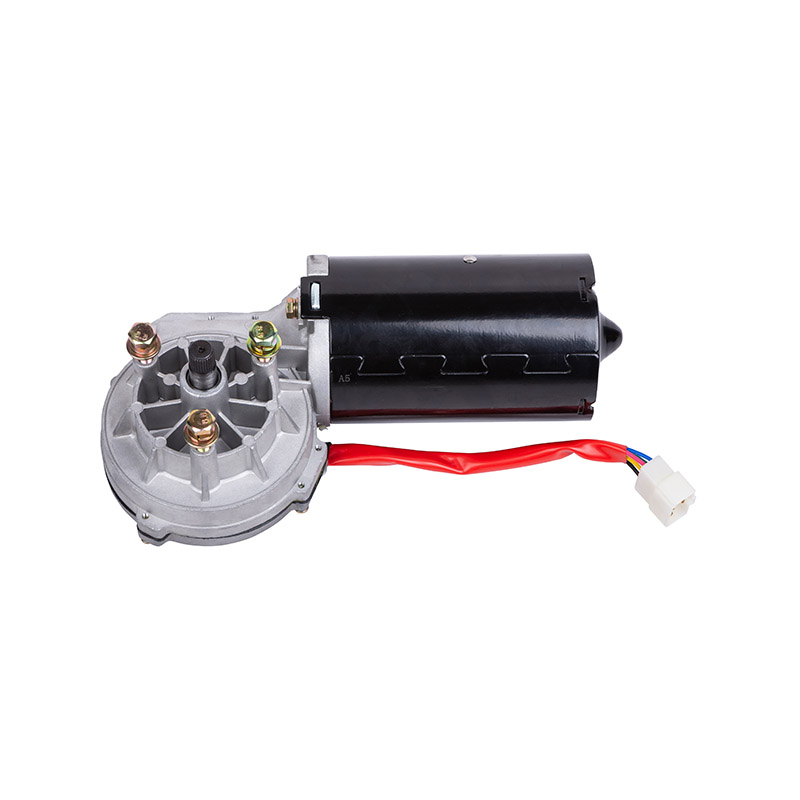
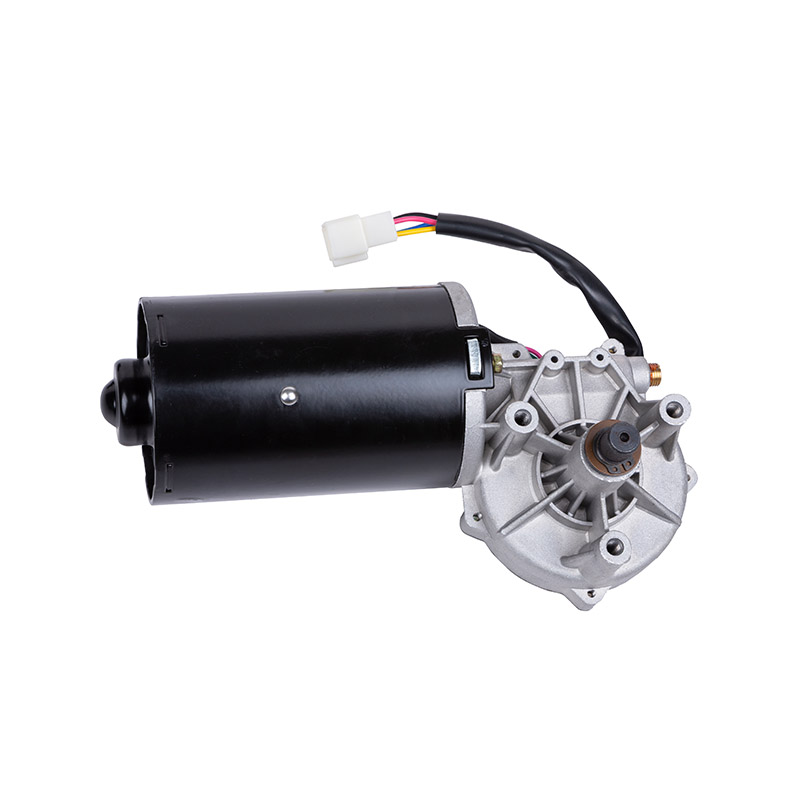
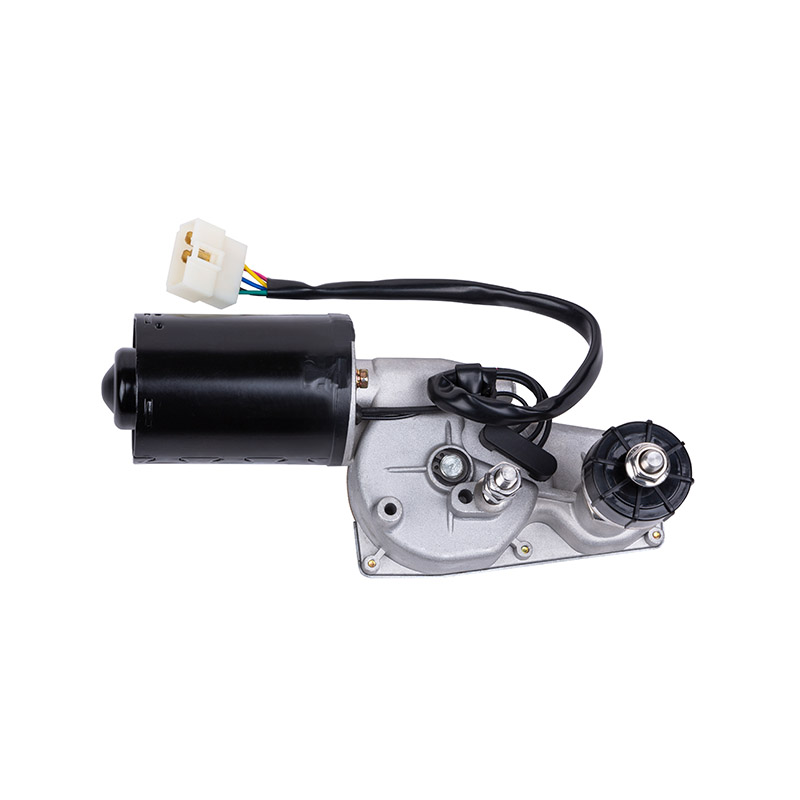
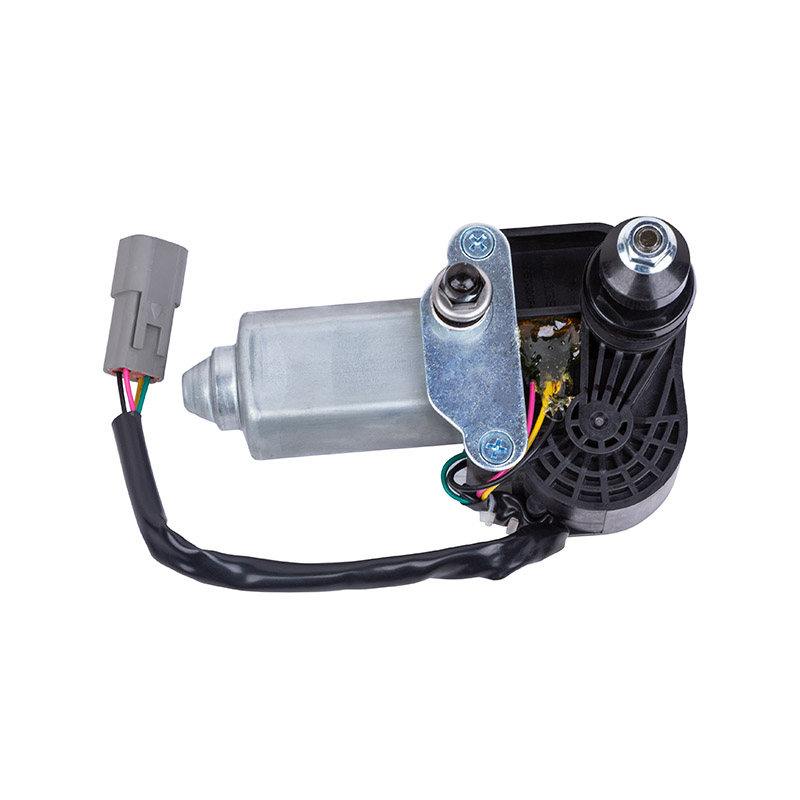
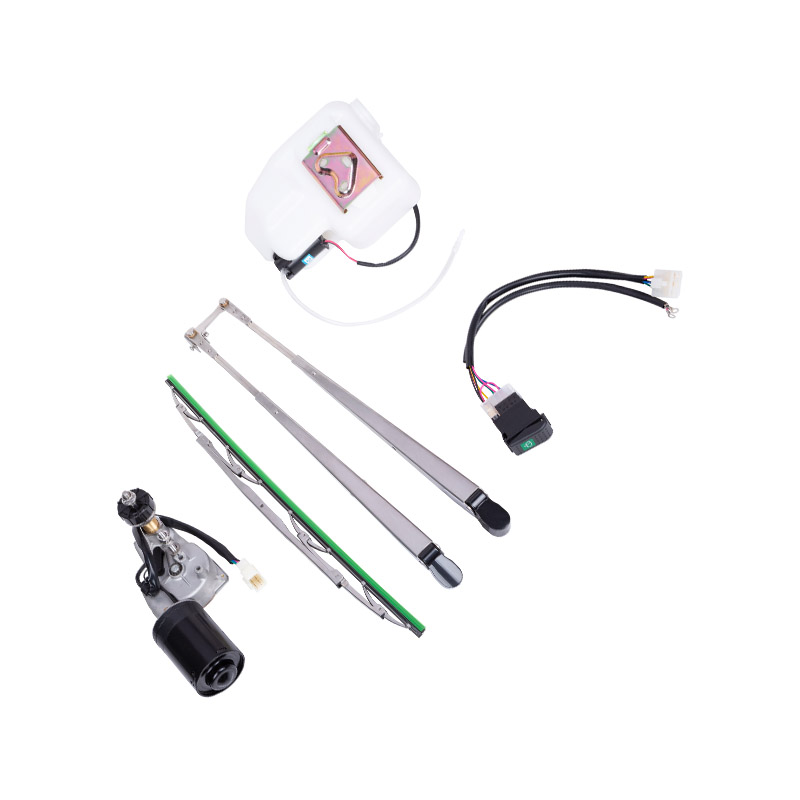
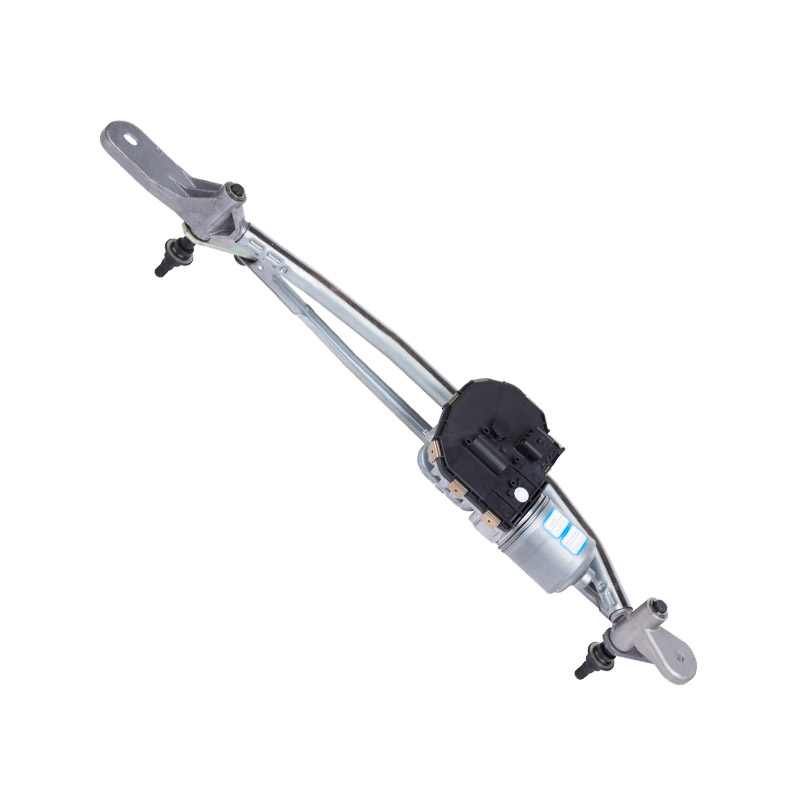
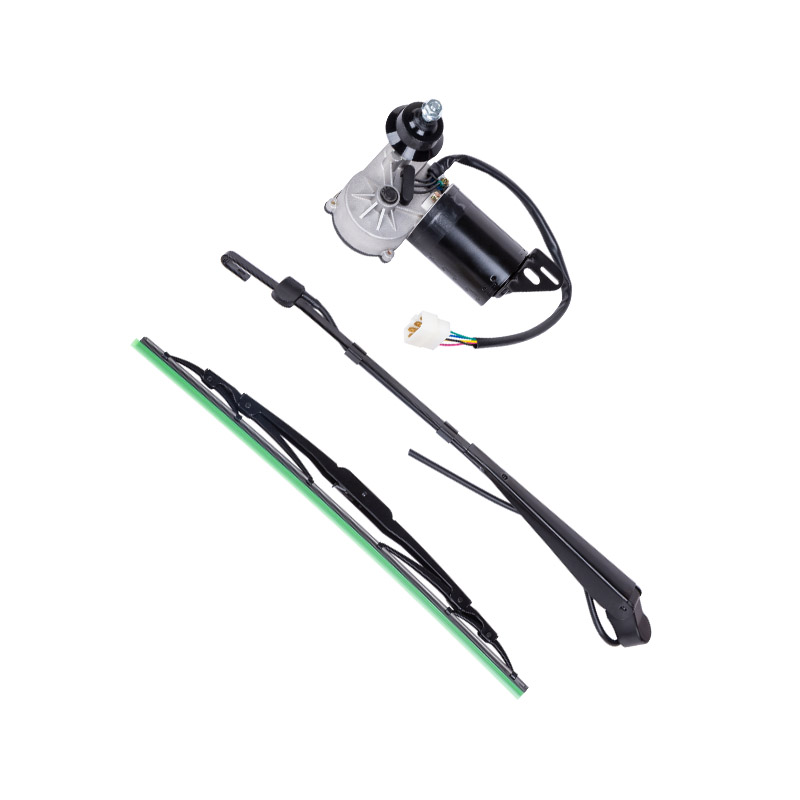
The motor is the core of any wiper system. For railway applications, the wiper motor must be mounted securely to reduce vibrations and ensure consistent motion. Key steps include:
Positioning the motor: Align it according to the manufacturer's guidelines for sweep angle and wiping direction.
Securing with vibration-resistant fasteners: This prevents loosening during long journeys.
Testing the torque and speed: The motor must generate enough force to move large wiper arms and blades without strain.
In the marine industry, where auto parts and marine applications overlap, wiper motors are also designed to withstand continuous operation in rough sea conditions. The same principle applies to railway systems—durability under pressure is essential.
Installing Wiper Arms and Blades
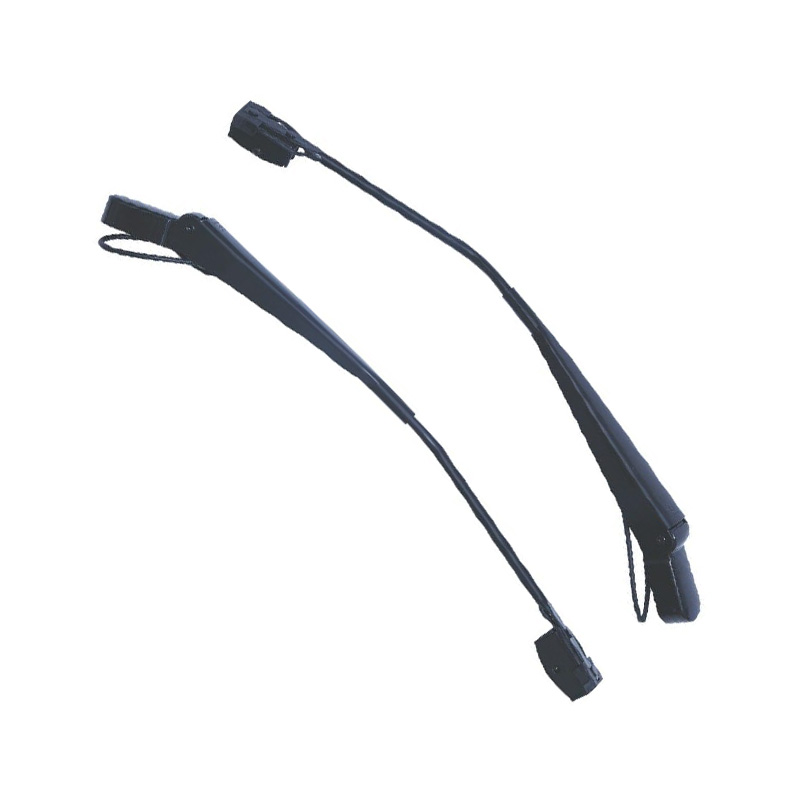
Once the motor is mounted, attention shifts to the wiper arms and blades. These components are directly responsible for clearing water, snow, or dirt from the windshield. Proper installation ensures smooth and streak-free operation.
Aligning the wiper arms: Position them so that they cover the driver's primary field of view without obstructing other parts of the windshield.
Fitting the blades: Railway systems often use reinforced blades similar to marine windshield wiper blades, which are designed to withstand high wind pressure and heavy water flow.
Checking pressure distribution: The blade should press evenly against the glass to avoid leaving streaks.
This step highlights the similarity between railway and marine environments. Both require durable blades that can handle large surfaces and frequent operation under harsh conditions.
Wiring and Control Systems
The electrical wiring and control system determine how efficiently the wipers respond to driver input. Safe installation requires careful handling of electrical connections.
Route wires securely: Keep wiring away from moving parts and areas exposed to moisture.
Install fuses or circuit breakers: These protect the system from electrical overload.
Test control switches: Ensure the wipers can operate at different speeds and return to the correct resting position.
Marine wiper systems often integrate with navigation equipment for synchronized operation. Similarly, railway wiper systems can be linked to train control panels, allowing operators to adjust wiping speed depending on weather conditions.
Safety Checks After Installation
After installation, a thorough inspection is necessary before the system is put into service.
Test in different weather conditions: Simulate rain and check wiping performance.
Check for unusual noises: Grinding or clicking may indicate misalignment.
Ensure waterproof sealing: Prevent moisture from entering the motor housing or electrical connections.
Review emergency operation: Confirm that manual overrides or backup systems are functional.
Performing these checks not only ensures safety but also extends the life of the equipment.
Railway wiper systems are essential components that directly affect visibility and safety. By following structured installation guidelines—covering preparation, motor mounting, arm and blade fitting, and electrical wiring—operators can ensure reliable performance over time. Lessons can also be drawn from marine applications, where auto parts and marine environments demand equally tough systems. Whether it is railway or marine windshield wiper blades, the goal remains the same: keeping the operator's view clear and ensuring safe travel in challenging conditions.