

 English
  Español
  русский
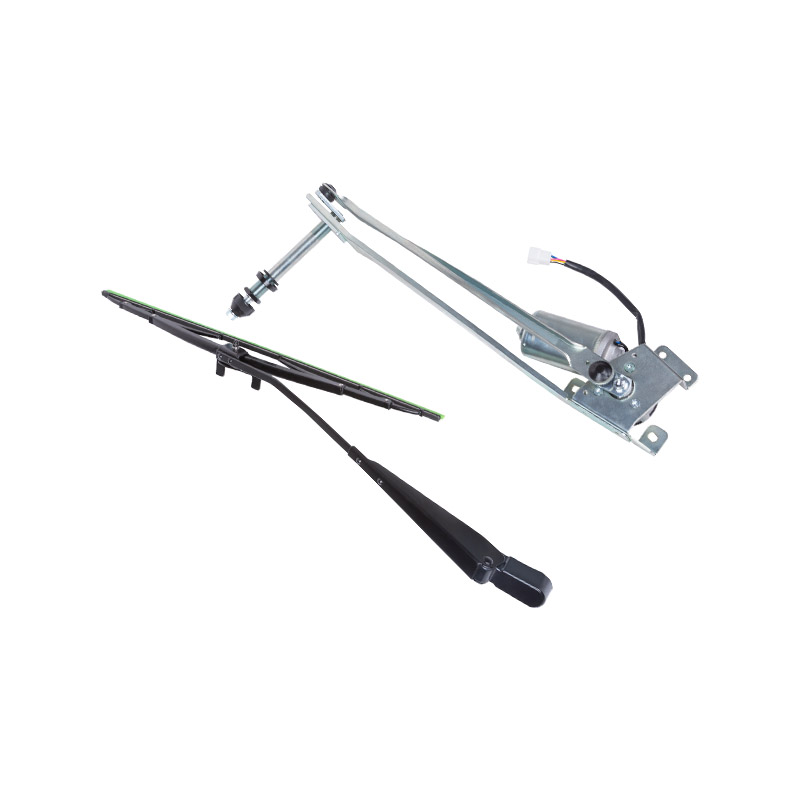
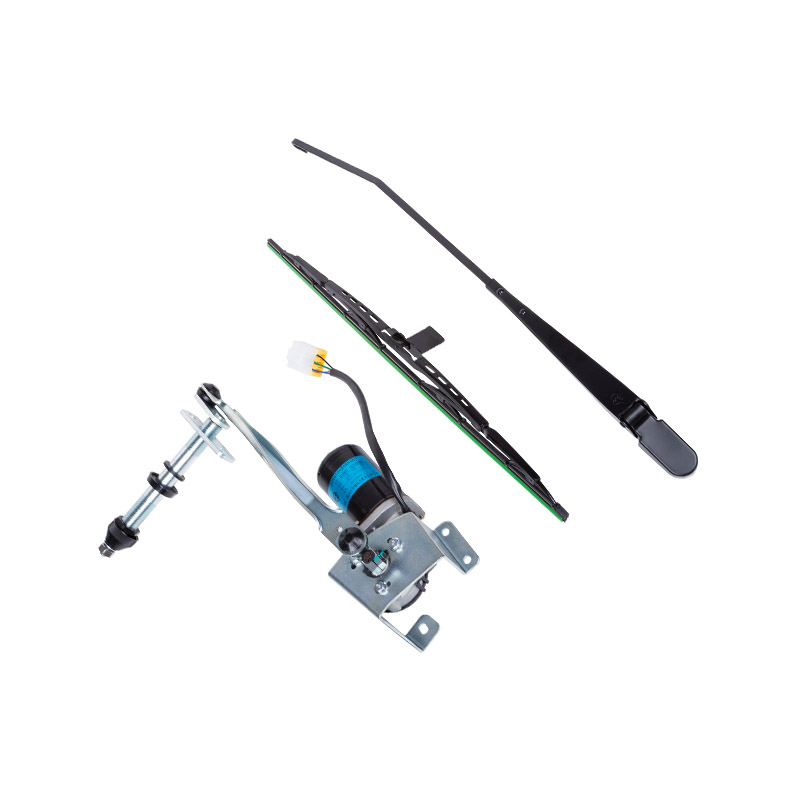
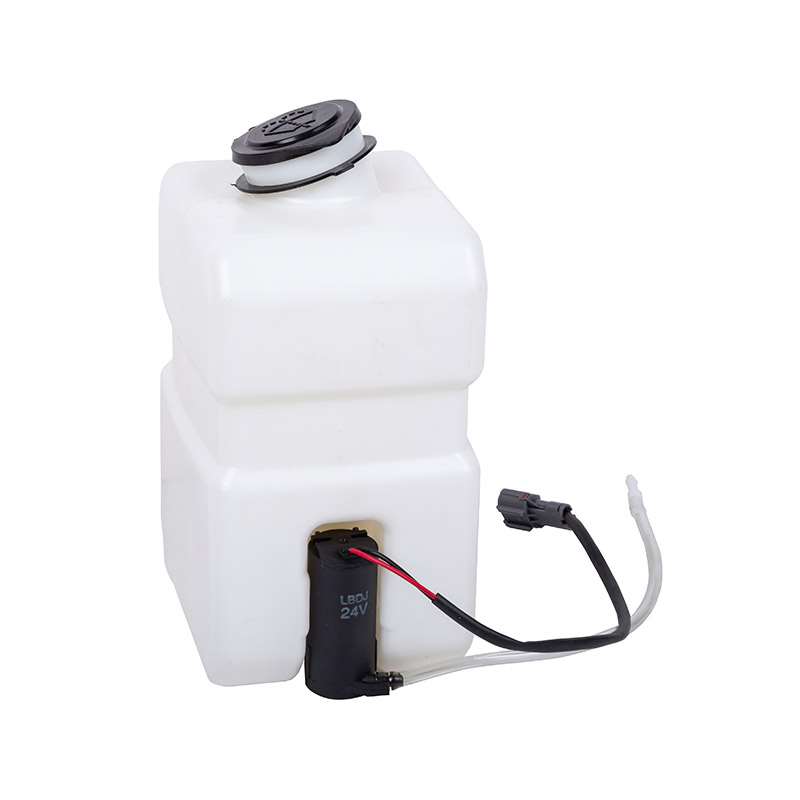
 Railway transportation plays a vital role in connecting cities and industries, but trains must operate under a wide range of weather conditions. Heavy rain, snow, dust storms, and even salt exposure in coastal areas can significantly reduce visibility for operators. To maintain safety, the railway wiper system has undergone steady improvements. These systems, often compared to auto parts windshield wipers used in passenger cars, are now designed to handle larger windows, tougher environments, and longer duty cycles.
Challenges of Harsh Environments
Unlike road vehicles, trains often face extended exposure to bad climates. In northern regions, snow and ice can accumulate quickly on the windshield, while in tropical climates, sudden heavy rains reduce visibility more instantly. Dust and sandstorms also create challenges for visibility in desert areas. Traditional wiper designs cannot always meet these demands, making specialized railway wiper systems a necessity.
Marine industries face similar challenges, which is why the development of boat windshield wiper arm technology and marine wiper blades has influenced railway applications. Both environments require durable, corrosion-resistant parts that maintain consistent performance despite constant exposure to water, salt, and debris.
Material and Structural Advancements
One of the key innovations in railway wiper systems lies in the choice of materials. Stainless steel and coated alloys are increasingly used in arms and frames to resist corrosion and mechanical wear. Advances in blade technology have also improved wiping efficiency. For instance, just as marine wiper blades are designed to withstand salty spray and high winds, railway blades now feature reinforced edges and flexible rubber compounds to adapt to uneven windshield surfaces.
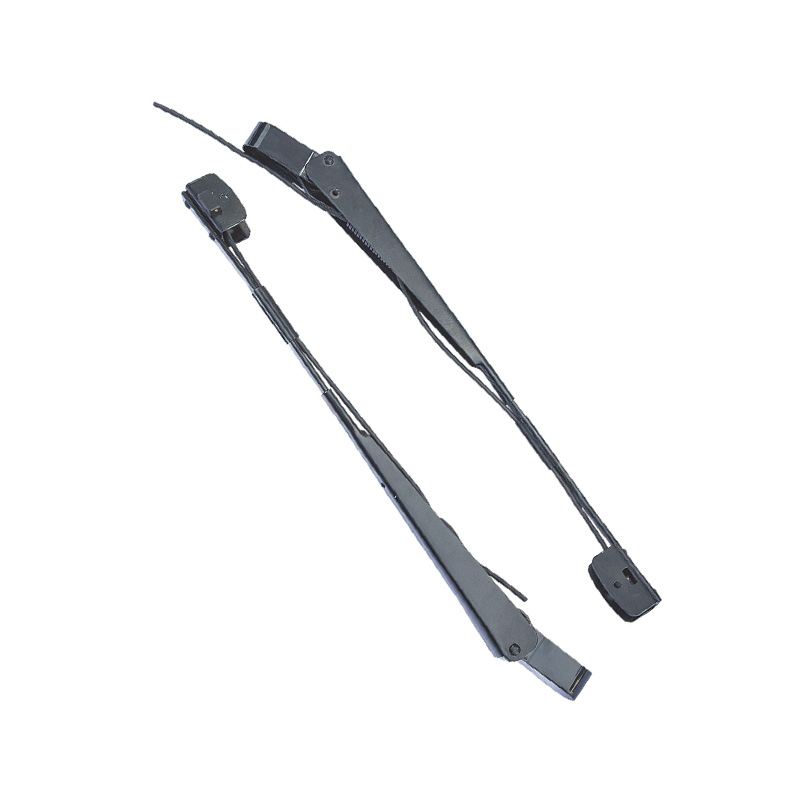
The structure of the wiper arm has also evolved. Similar to the development of the boat windshield wiper arm, modern railway wiper arms are engineered to provide stronger pressure distribution, ensuring that large windscreens are cleaned evenly. Adjustable spring tension and aerodynamic shaping help maintain stable operation even when trains are traveling at high speed.
Motor and Control System Improvements
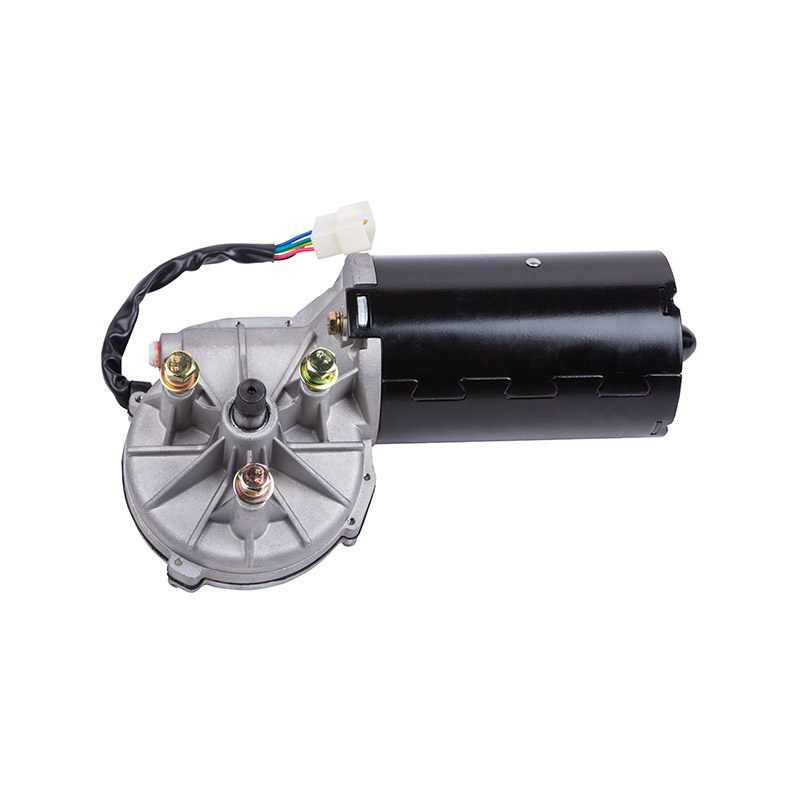
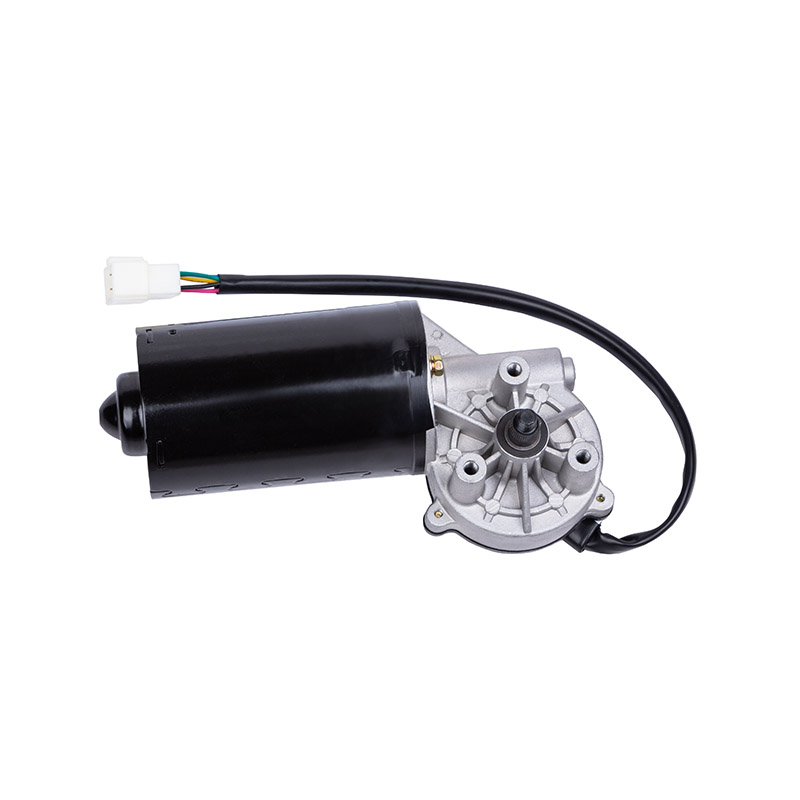
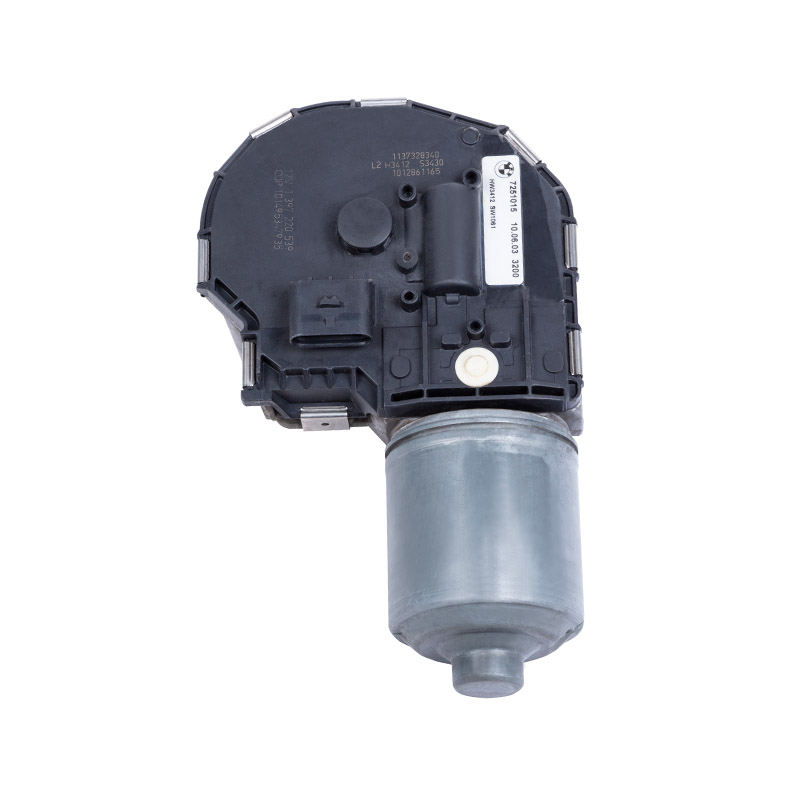
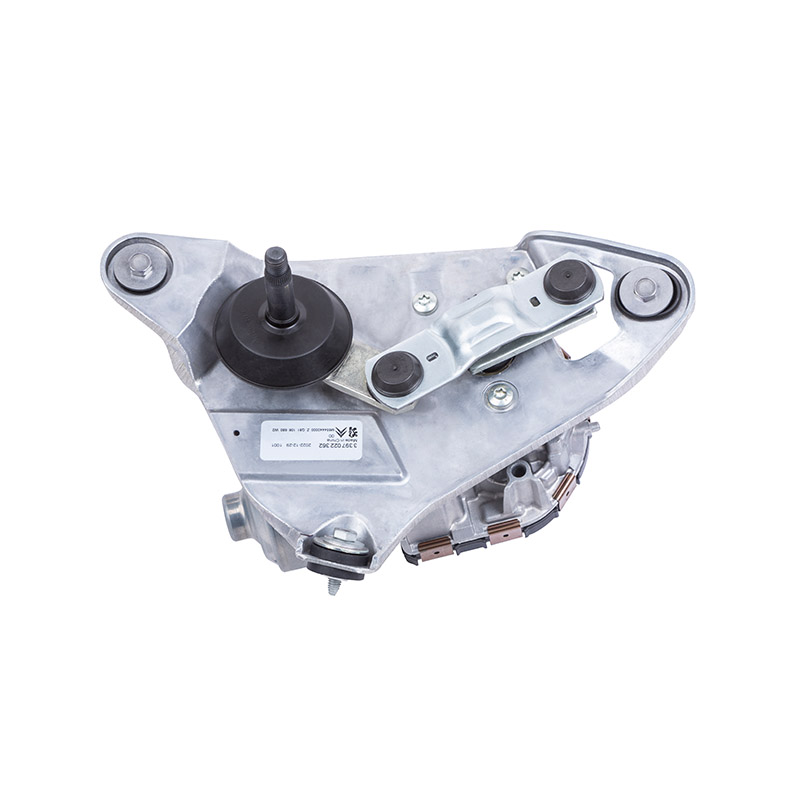
The heart of any wiper system is the motor. Railway wiper motors are now built with higher torque to manage large wiper arms and heavy blades. Energy efficiency has also become a focus, with improved sealing to protect the motor from moisture and dust. This development mirrors progress in auto parts windshield wipers, where compact and efficient motors are designed for quick response in changing weather conditions.
Control systems have advanced as well. Modern railway wipers often include variable speed settings, intermittent wiping, and synchronized operation across multiple arms. These features allow operators to adjust wiping patterns based on weather intensity, reducing unnecessary wear and extending the life of the system.
Integration with Safety and Automation
Another step forward has been the integration of wiper systems with broader safety controls. Just as automotive windshield systems are increasingly connected to sensors, railway wipers can now be automated. Rain sensors trigger the system to activate immediately, and temperature sensors help control heating elements that prevent ice buildup. This innovation ensures that operators can focus on driving while the wipers automatically adjust to environmental changes.
In marine settings, automation has already proven useful, particularly for vessels operating in open water where sudden storms can appear without warning. The same principle is now being applied to railway systems, offering consistency and safety across industries.
Maintenance and Service Considerations
Even with advanced materials and automated functions, maintenance remains a critical factor. Regular inspections of the wiper motor, arms, and blades ensure that the system continues to function effectively. Replacement intervals for wiper blades are particularly important. Just as with auto parts windshield wipers and marine wiper blades, wear over time reduces their ability to clear water and debris. For railway operators, establishing a clear maintenance schedule helps prevent unexpected downtime.
Future Outlook
Looking ahead, the development of railway wiper systems is expected to focus on even greater integration with smart technologies. Sensors that detect not only rain but also dust density or salt levels may be introduced. There is also ongoing research into new rubber materials and coatings that resist freezing, cracking, and UV degradation.
The cross-industry exchange of ideas will continue to play a role. Marine innovations such as durable boat windshield wiper arm mechanisms and specially engineered marine wiper blades will likely influence future railway designs. Similarly, compact and efficient technologies from automotive windshield wipers may be scaled up for larger train applications.
Railway wiper systems are a crucial component of safe train operation, especially in harsh weather conditions. By adopting stronger materials, improved motor technology, and smarter controls, these systems now offer reliable visibility even in the more challenging climates. The evolution reflects a combination of experiences drawn from the automotive and marine sectors, where auto parts windshield wipers, boat windshield wiper arms, and marine wiper blades have all provided valuable design inspiration. As technology continues to progress, railway wiper systems will remain a key safeguard for operators and passengers alike.