

 English
  Español
  русский
 Railway transportation demands reliable and durable systems to maintain visibility under different weather conditions. Among these systems, railway wiper assemblies are critical for ensuring a clear line of sight for train operators. Designing such systems requires a balance of mechanical performance, environmental durability, and integration with modern control technologies.
Core Functions of a Railway Wiper System
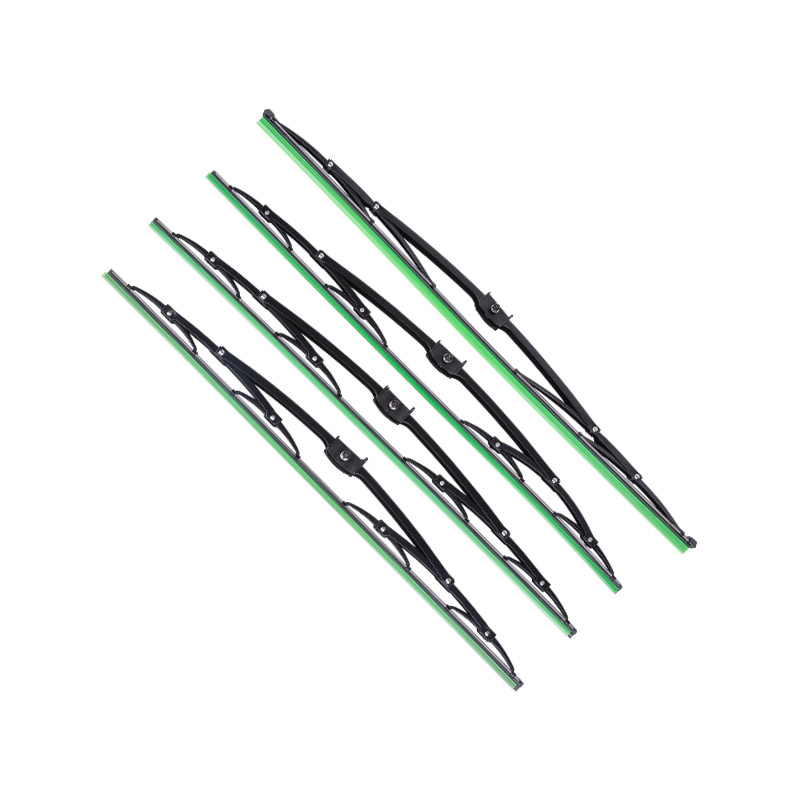
A railway wiper system is designed to keep the windscreen clear from rain, snow, and dirt. Unlike passenger cars, trains often face prolonged exposure to harsh climates while traveling across long routes. The wiper system must therefore be able to operate continuously under heavy loads without performance degradation. Its role goes beyond comfort; it is directly tied to operational safety.
Mechanical Design and Performance Factors
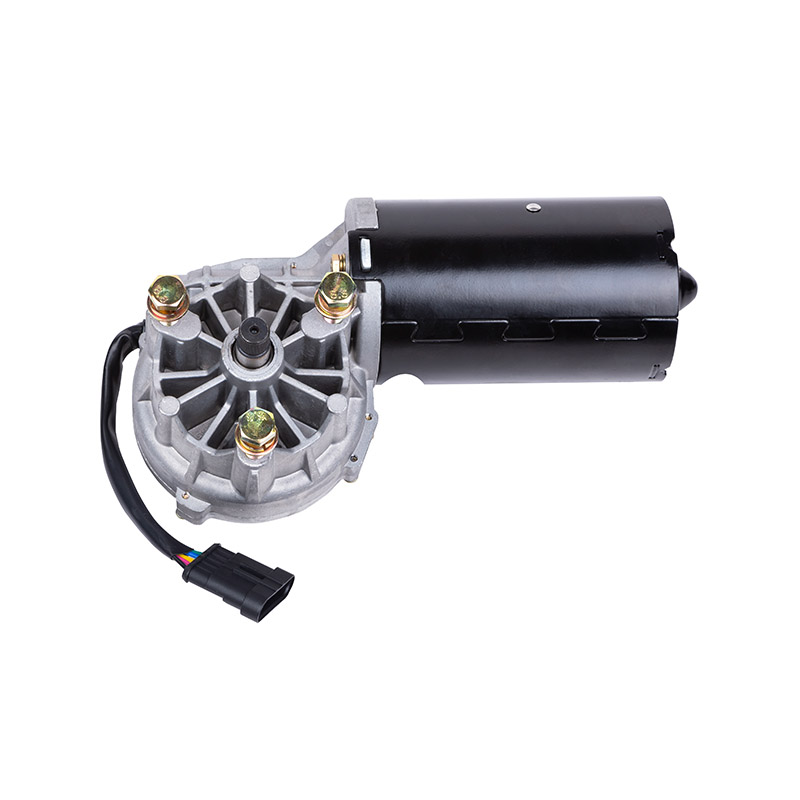
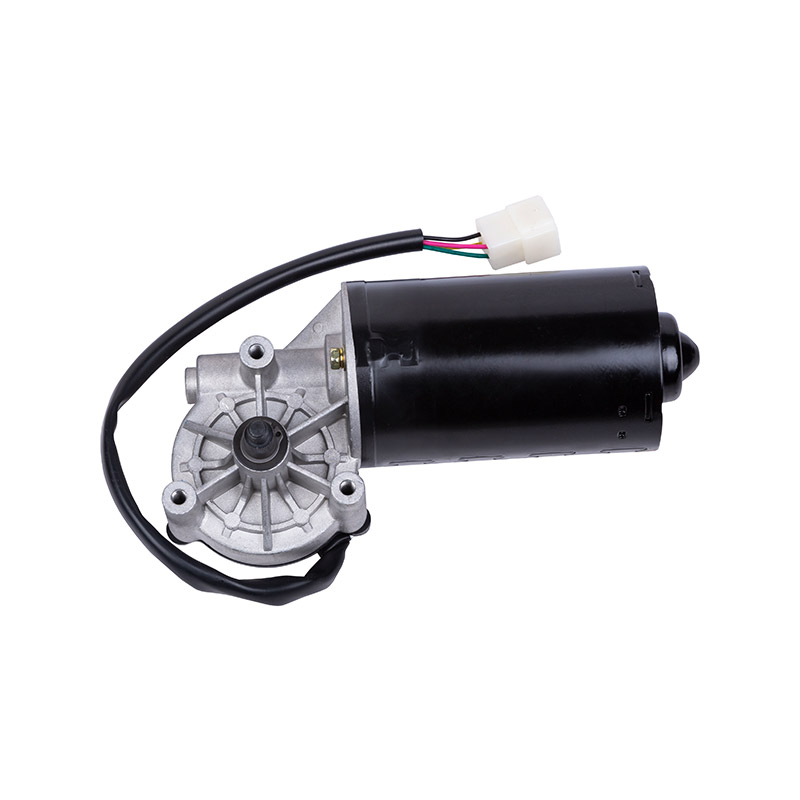
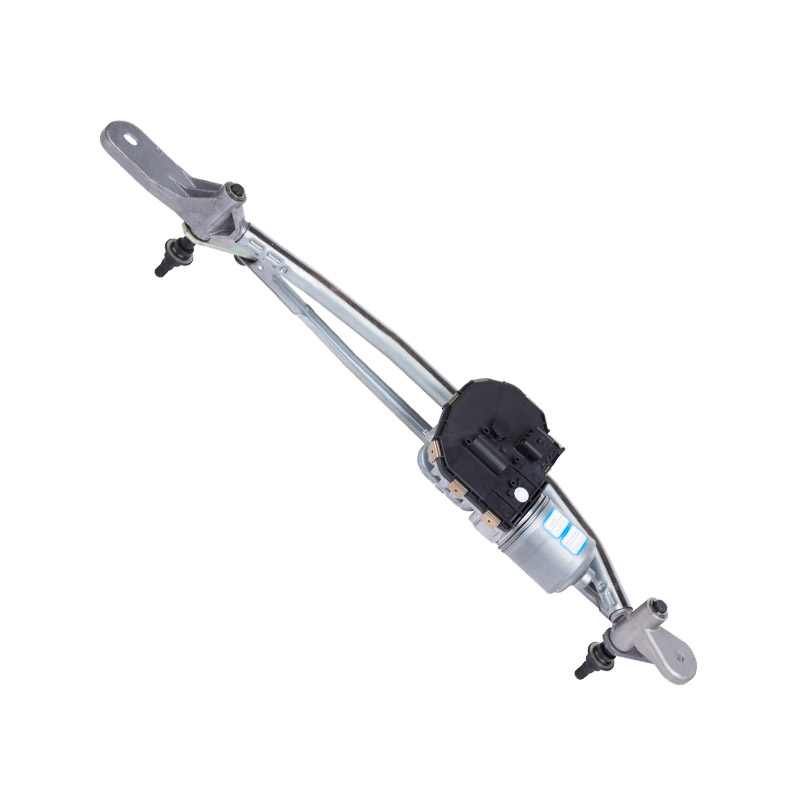
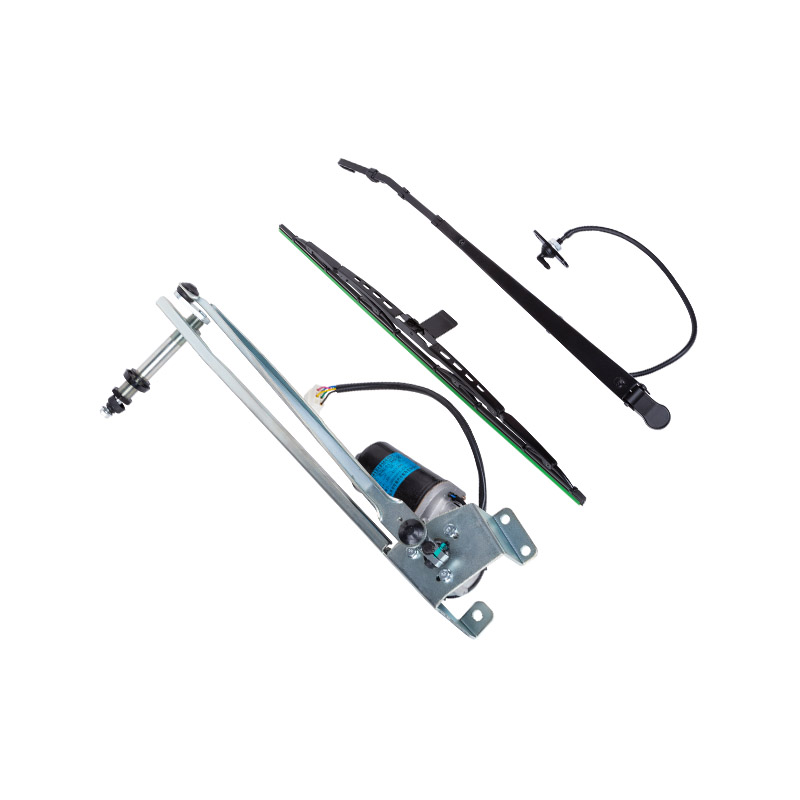
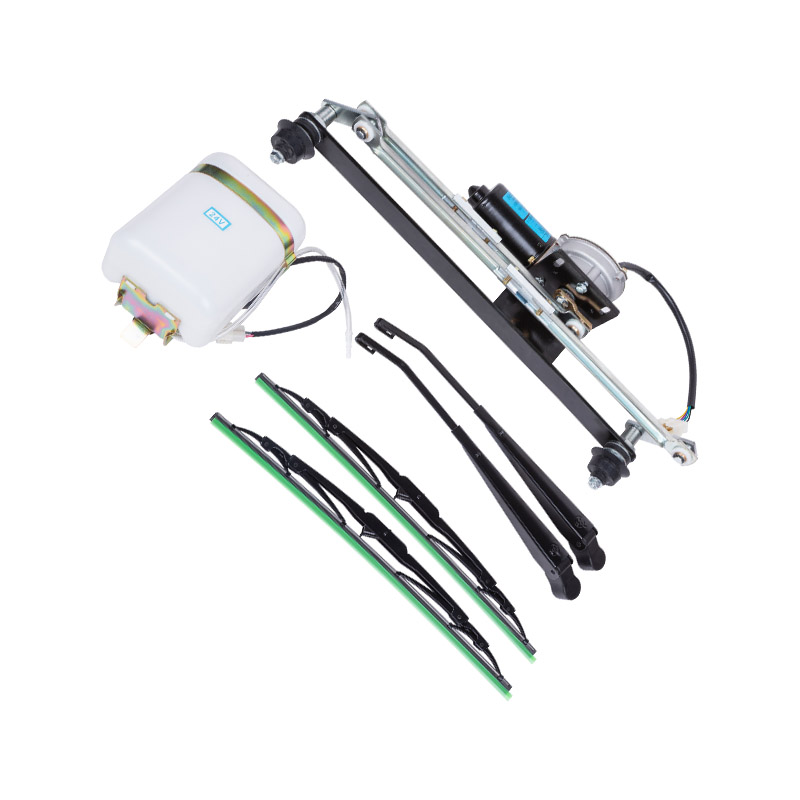
The design of a railway wiper system is centered on a combination of wiper arms, wiper blades, and the driving mechanism. The wiper motor is at the heart of the assembly. Engineers must carefully consider wiper motor rpm torque, as it determines how effectively the blades move across the large surface of train windscreens. A higher torque ensures the wiper can push against wind resistance, ice buildup, or heavy rain, while an appropriate rpm ensures smooth operation without excessive vibration or noise.
The torque-to-speed balance is a defining parameter. Too high a speed may cause uneven wiping or blade lift-off, while too low a speed can leave streaks that impair visibility. This is why testing under different simulated weather conditions is an important step in railway wiper system development.
Durability in Harsh Environments
Railway wiper systems face challenges from temperature fluctuations, dust, and moisture. Components must be resistant to corrosion and wear. Stainless steel fittings, reinforced wiper arms, and weather-resistant motor housings are often applied to achieve long-term durability. The sealing of the motor unit is particularly important, as water ingress could cause short circuits or mechanical damage.
Integration of Automatic Wiper System Technology
Modern railway operators increasingly adopt automatic wiper system technologies. These systems use rain sensors or humidity detectors to activate wiping cycles without manual input from the driver. Automatic systems improve response time during sudden weather changes and reduce driver workload.
For railway applications, automatic systems must be robust enough to handle wide visibility surfaces. The control algorithms are usually adapted from automotive technologies but are scaled for larger windscreen areas and heavier wiper arms. The integration of automatic control also allows synchronization between multiple wipers, which is necessary for trains with wide or dual-panel windows.
Lessons from Marine Applications
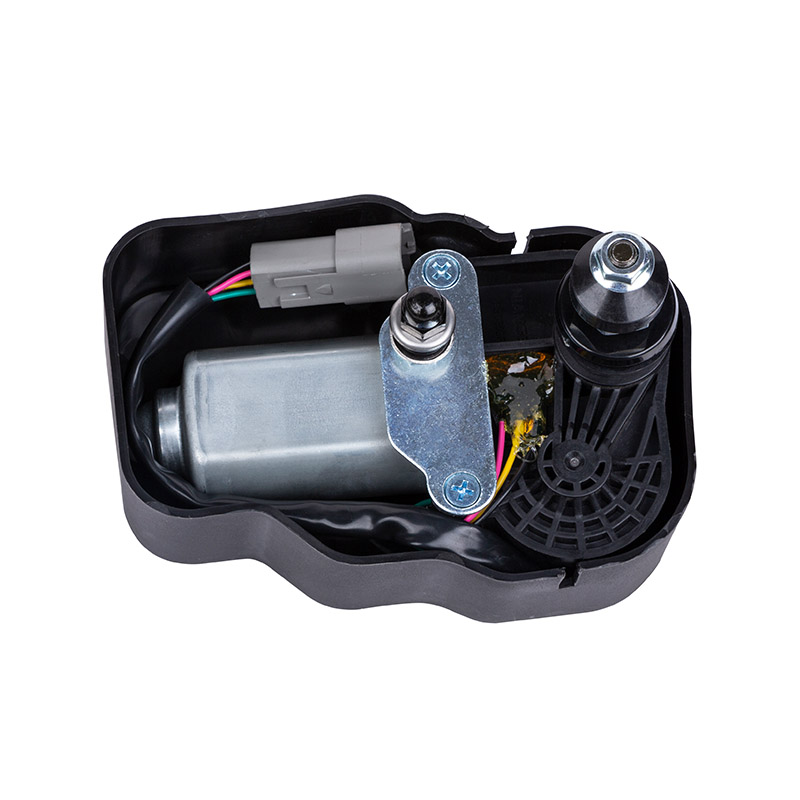
The design of railway wiper systems shares similarities with marine systems. A marine windshield wiper motor is engineered to withstand saltwater corrosion, high humidity, and constant exposure to rough conditions. Lessons from marine engineering, such as advanced sealing methods and high-torque motor configurations, are often transferred into railway applications.
By adapting these marine-grade solutions, railway wiper systems gain enhanced durability in bad climates, particularly in coastal regions or during winter operations where ice buildup is common.
Maintenance and Inspection Practices
No matter how well designed, railway wiper systems require routine checks. Maintenance schedules often include inspection of wiper blades for wear, checking the arm tension, and verifying motor function. Monitoring the wiper motor rpm torque output is an effective way to identify potential issues early. A drop in torque, for example, may signal motor fatigue or internal wear.
Operators are also encouraged to check the sealing of the motor unit to ensure that no dust or moisture has compromised its performance. Preventive maintenance reduces the chance of sudden failure during operation.
Future Development Directions
As trains adopt more digital control platforms, railway wiper systems will increasingly integrate with onboard monitoring networks. Automatic diagnostics of motor torque, blade movement, and synchronization can alert operators before failures occur. Future systems may also include adaptive wiping speeds that respond not only to rainfall but also to train speed, air pressure, and visibility sensors.
The influence of energy-efficient motor technologies is also growing. While traditional brushed motors are common, brushless motors with higher efficiency and reduced wear are becoming more attractive for railway applications. These advancements will help extend the lifecycle of the system while improving performance consistency.
The design and performance of railway wiper systems require careful attention to motor torque, environmental durability, and integration with automatic control technologies. Drawing on marine applications and modern sensor-driven innovations, railway wiper systems continue to evolve toward safer and more reliable operation. Regular inspection and adherence to maintenance routines remain essential in ensuring that these systems perform their vital role—maintaining clear visibility and safe travel for railway operators and passengers alike.