

 English
  Español
  русский
 Railway transportation operates in diverse environments, from coastal regions with high humidity to inland areas with dust and heavy rainfall. In such conditions, maintaining a clear view for train operators is essential. The railway wiper system plays a vital role in ensuring safe journeys by keeping windshields free of rain, snow, and dirt. Just like the auto front wiper used in cars, railway wipers are built to withstand constant operation, but they still require regular maintenance to remain reliable.
Understanding the Railway Wiper System
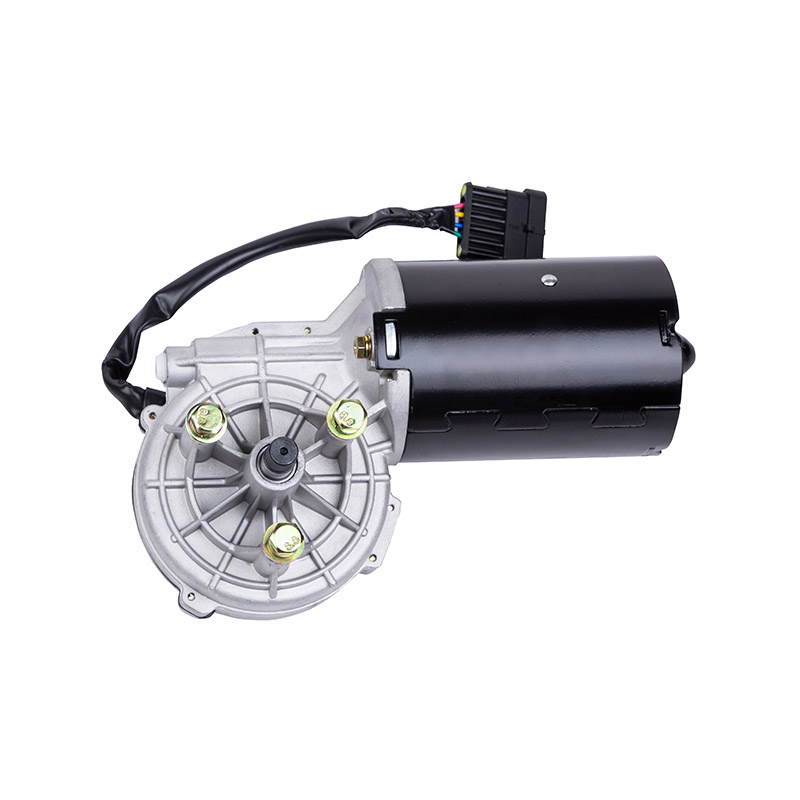
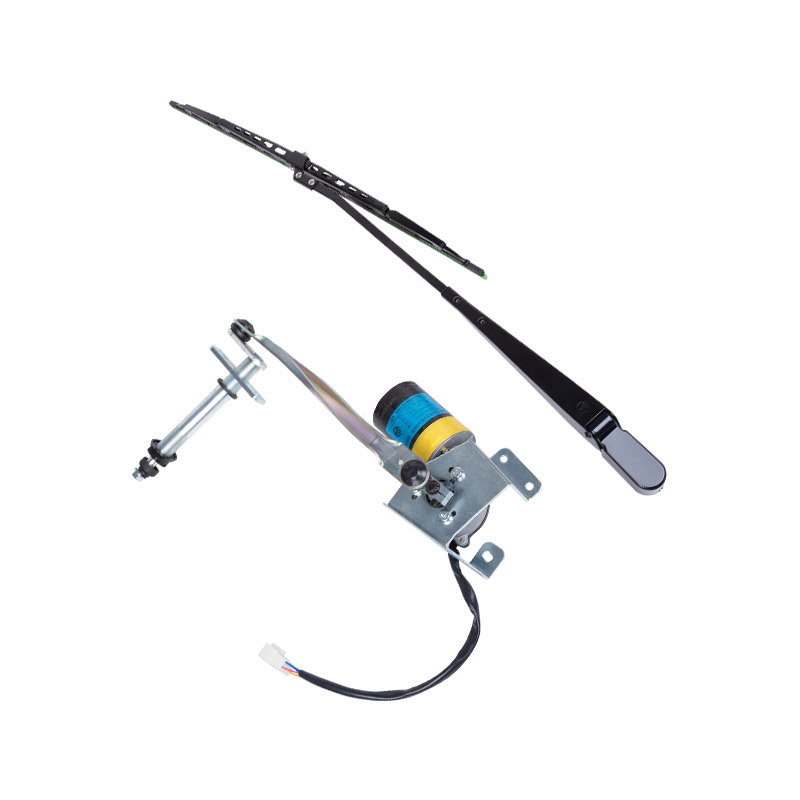
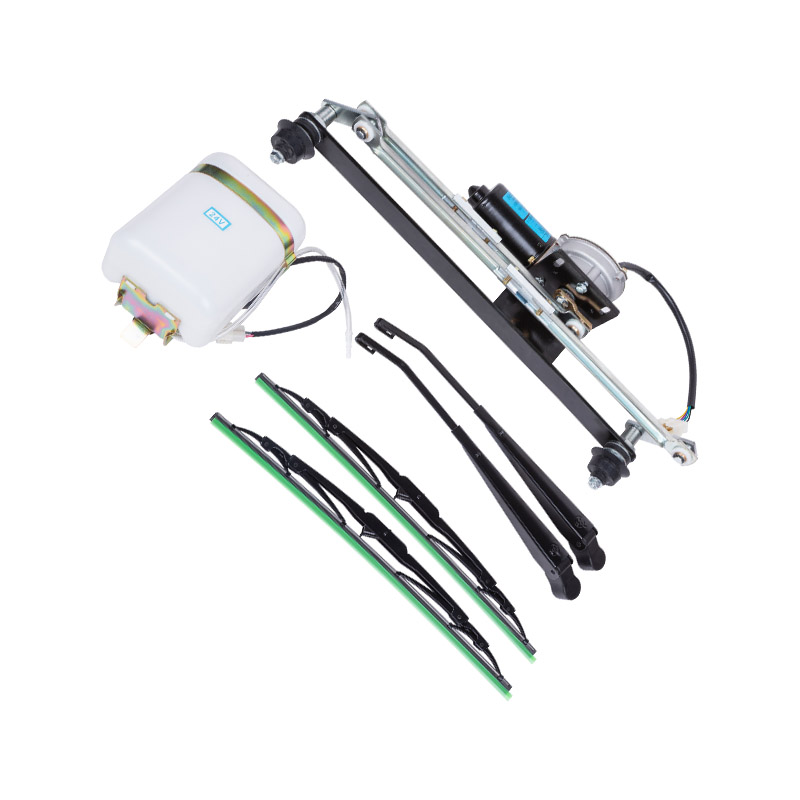
A railway wiper system typically includes the wiper arms, blades, electric wiper motor, and various wiper motor parts that support motion and control. Unlike car applications, the railway system is usually larger, stronger, and designed for continuous operation over long hours. These systems must handle heavy-duty tasks while providing smooth and consistent wiping action.
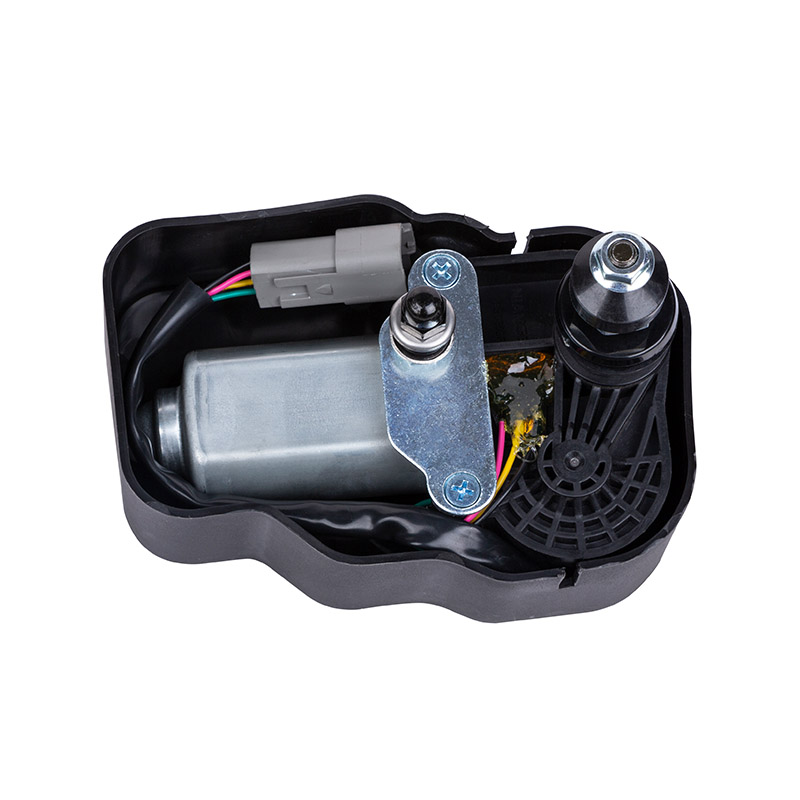
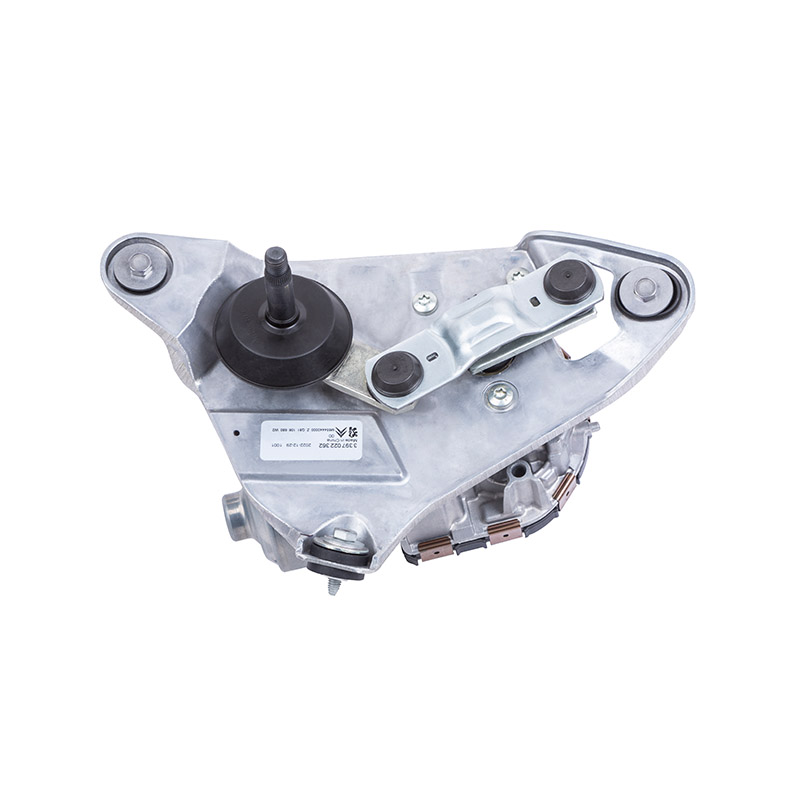
The electric wiper motor is the driving force, converting electrical energy into mechanical motion. Supporting wiper motor parts such as linkages, bearings, and bushings ensure the motion is transferred effectively to the wiper arm and blade. Without careful maintenance of these elements, the system can develop inefficiencies that compromise safety.
Routine Inspection and Cleaning
The one step in maintaining railway wiper systems is regular inspection. Just as an auto front wiper on a car becomes less effective when blades are worn, railway blades also degrade with time. Technicians should check for cracks, hardening, or uneven wear on the wiper blade. Cleaning the rubber edge and removing dirt buildup can extend blade life and improve wiping performance.
It is also important to clean the windshield surface regularly. A dirty windshield increases friction and puts additional stress on the electric wiper motor and wiper arm. Over time, this can accelerate wear on wiper motor parts and reduce the efficiency of the system.
Lubrication of Moving Components
Wiper systems include multiple mechanical connections, and lubrication is a simple but crucial step to keep them moving smoothly. Wiper motor parts such as linkages and pivots can develop friction if left unmaintained, pilot to sluggish or noisy operation. Applying the correct lubricant at intervals recommended by the system design helps reduce wear and supports long-term reliability.
Monitoring the Electric Wiper Motor
The electric wiper motor is at the heart of the system. If the motor operates under excessive load due to stuck blades or frozen joints, it can overheat and fail prematurely. Regularly checking current draw during operation can help detect unusual resistance. Technicians should also inspect wiring connections, as loose or corroded terminals can disrupt motor performance.
When signs of weakening, such as slower blade movement or inconsistent speed, appear, the motor should be tested or replaced promptly. Ignoring early warnings often advances to further damage in other wiper motor parts.
Seasonal Maintenance Practices
Railway wiper systems operate year-round in various weather conditions. Seasonal maintenance helps ensure readiness for specific challenges.
Winter preparation: Cold weather can cause rubber blades to stiffen. Applying protective solutions or replacing blades before winter improves performance. Ensuring the electric wiper motor is well-sealed against moisture also prevents freezing damage.
Rainy season checks: During heavy rainfall, wipers are used more frequently. Inspecting wiper arms for alignment and ensuring blades have strong contact with the windshield reduces streaking and improves visibility.
Dry season care: Dust and debris can accumulate in joints and on motor components. Extra cleaning prevents abrasive wear on wiper motor parts.
Spare Parts and Timely Replacement
No matter how well a system is maintained, wear is inevitable. Stocking essential wiper motor parts such as brushes, linkages, and bearings allows for quick replacements and less downtime. Railway operators should develop a routine replacement schedule similar to the one used for auto front wipers, but adapted for the heavier railway environment.
Replacing parts before complete failure not only extends the life of the electric wiper motor but also prevents unexpected service interruptions.
A reliable railway wiper system is the result of consistent attention to detail. Regular inspection, cleaning, lubrication, and timely replacement of worn components all contribute to long-lasting performance. By focusing on the condition of the electric wiper motor, blades, and wiper motor parts, railway operators can maintain clear visibility for train drivers in all weather conditions.
Just as the auto front wiper on a passenger car requires routine care, the larger railway system benefits greatly from proactive maintenance. With structured practices in place, railway wipers can continue to provide safe and dependable service for years to come.