

 English
  Español
  русский
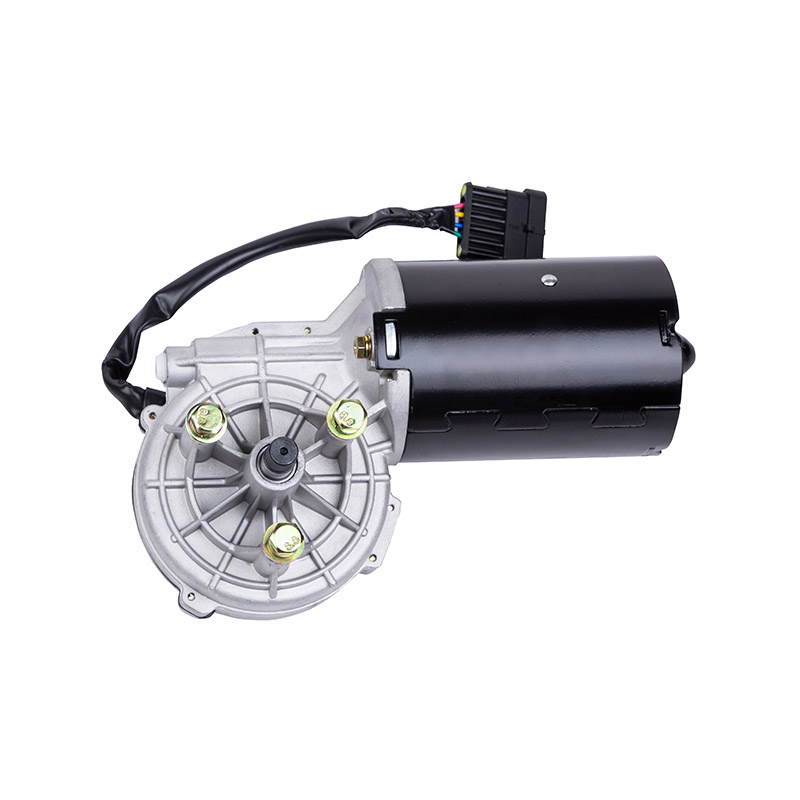
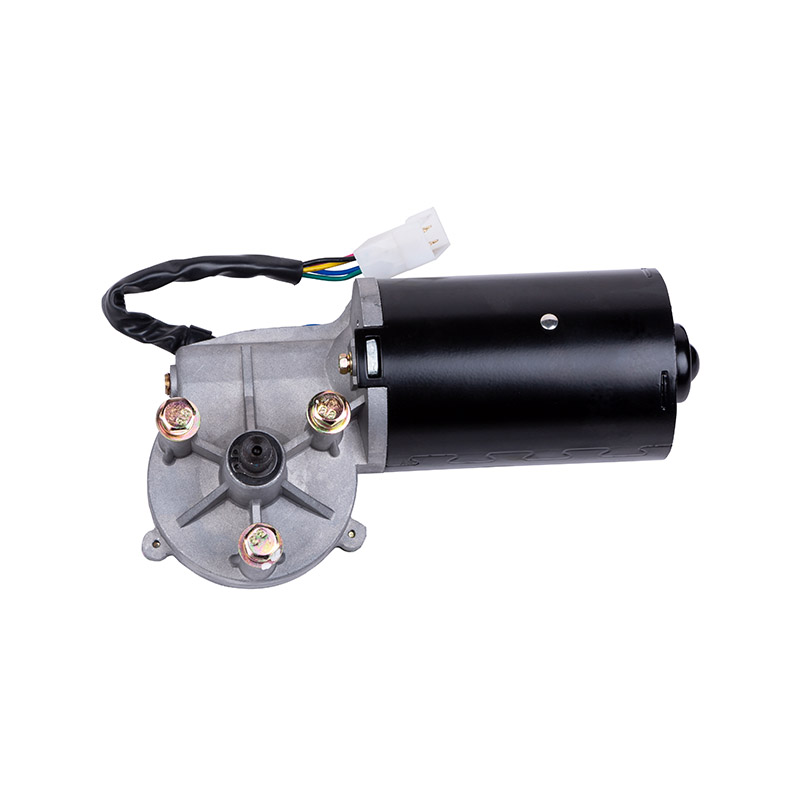
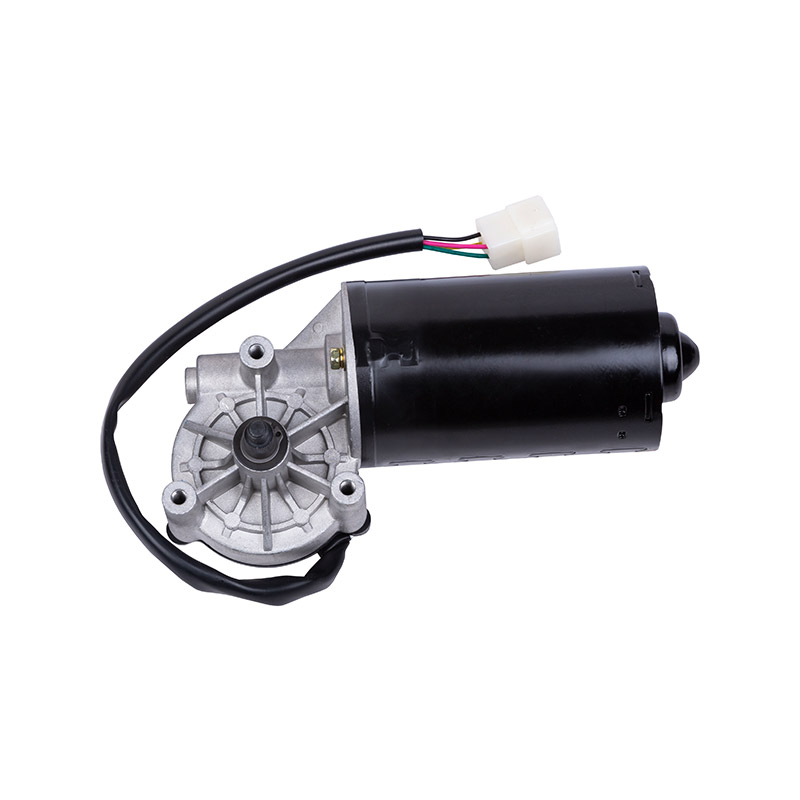
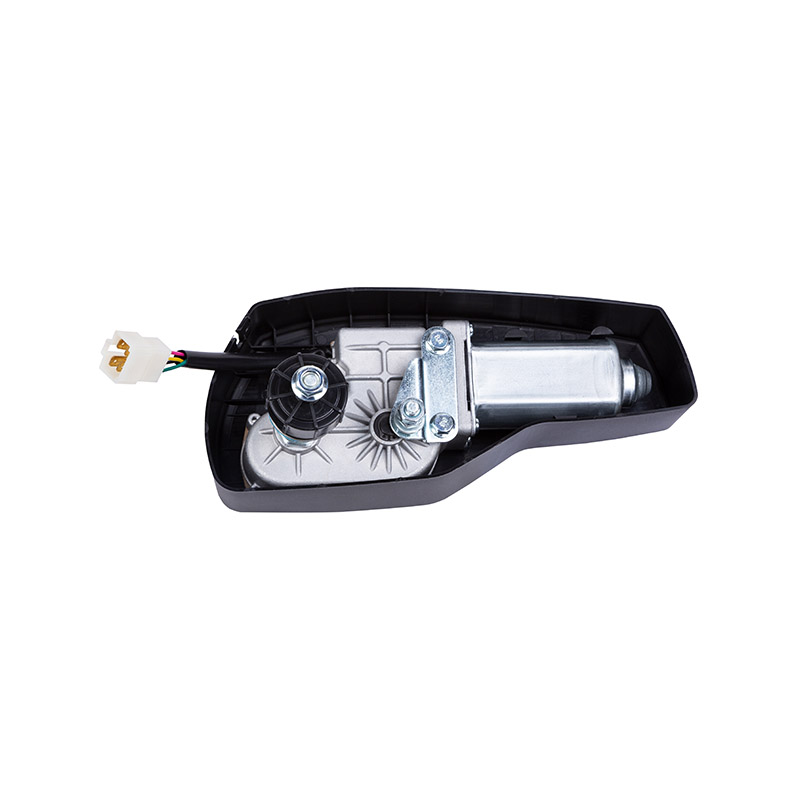
 As global marine operations continue to prioritize safety, durability, and low-maintenance design, the demand for a reliable Stainless Boat Wiper Motor has increased significantly. From commercial vessels to leisure yachts, buyers and engineers are actively searching for corrosion-resistant solutions that can withstand saltwater exposure, heavy rainfall, and long operational cycles. Recent discussions across marine engineering forums and procurement channels highlight a strong focus on longer service life, improved sealing performance, and compatibility with modern vessel control systems.
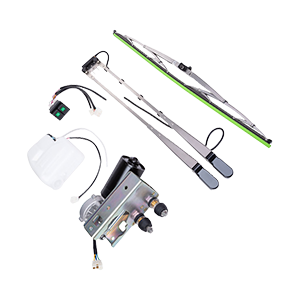
1. Corrosion Resistance as a Core Design Priority
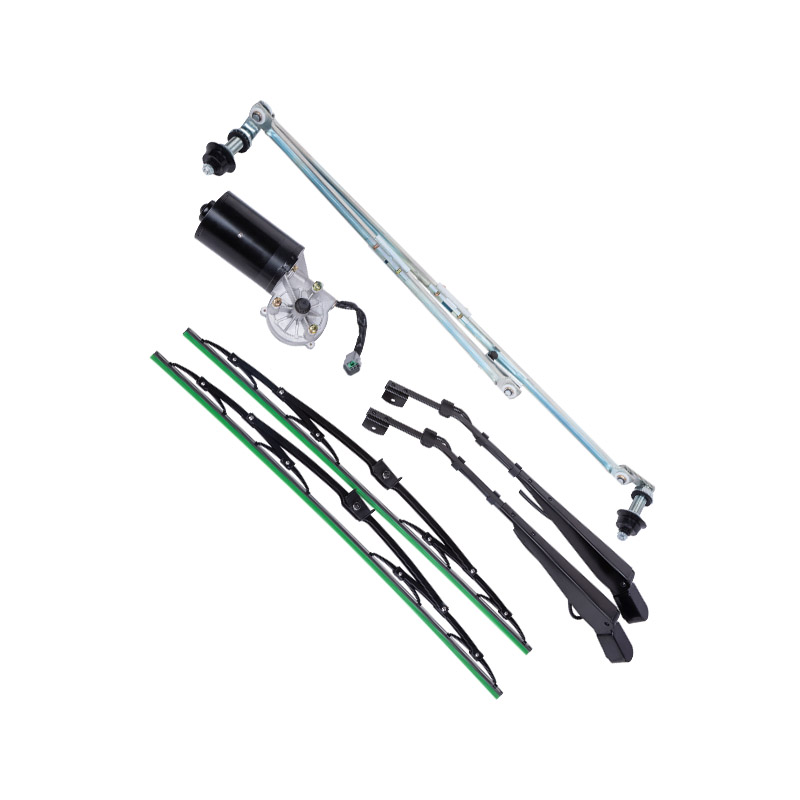
In marine environments, corrosion remains the most persistent challenge. Stainless steel housing has become a standard requirement rather than an upgrade. Procurement teams now routinely compare 316-grade stainless options, especially for components exposed to direct seawater spray. The emphasis is not only on surface protection but also on internal shaft and fastener resistance, which directly affects long-term reliability.
2. Common Operational Pain Points from Marine Users
Feedback from vessel operators and maintenance crews reveals recurring issues:
Water ingress during heavy storms
Motor fatigue under continuous duty cycles
Noise increase after prolonged exposure to salt mist
Seal degradation in tropical climates
These concerns are shaping purchasing decisions, pushing buyers toward higher-specification wiper systems rather than low-cost alternatives.
3. Engineering Factors Behind Stable Performance
Modern marine wiper motors are evaluated based on a combination of mechanical and environmental performance indicators. Key engineering considerations include IP-rated sealing structures, stable torque output under load, and salt spray resistance testing aligned with marine standards. Engineers increasingly favor modular designs that simplify replacement of gear assemblies without dismantling the entire system.
4. Installation Compatibility Across Vessel Types
Another trending requirement in global procurement searches is cross-platform compatibility. Shipbuilders and retrofit contractors prefer motors that integrate easily with both DC power systems and existing control modules. Adjustable mounting brackets and flexible shaft configurations reduce installation time, especially in compact wheelhouse layouts where space is limited.
5. Maintenance Efficiency and Lifecycle Expectations
Maintenance optimization is a major discussion point in marine equipment communities. Instead of frequent servicing, buyers now expect extended maintenance intervals supported by sealed bearings and wear-resistant gear systems. Predictable lifecycle performance is particularly important for fleet operators managing multiple vessels, where downtime directly impacts operational cost.
6. Procurement Priorities in B2B Marine Supply Chains
From a sourcing perspective, engineers and purchasing managers typically evaluate suppliers based on:
Material traceability and stainless steel grade certification
Production consistency across batches
Spare part availability for long-term servicing
Compliance with marine safety expectations
These criteria reflect a broader shift toward risk reduction and lifecycle cost control in marine equipment procurement.
Manufacturer Perspective on Quality Assurance
As a manufacturer serving international marine markets, quality control extends beyond final assembly. Each unit undergoes functional load testing and environmental simulation to ensure stable performance in humid, high-salinity conditions. Attention is also given to shaft alignment precision and sealing integrity, both of which are critical to field reliability in real-world operations.
In summary, market demand for marine visibility systems continues to evolve toward higher durability and smarter integration. Selecting a well-engineered Stainless Boat Wiper Motor is no longer just a component choice—it is a long-term investment in vessel safety, operational efficiency, and maintenance reduction.