

 English
  Español
  русский
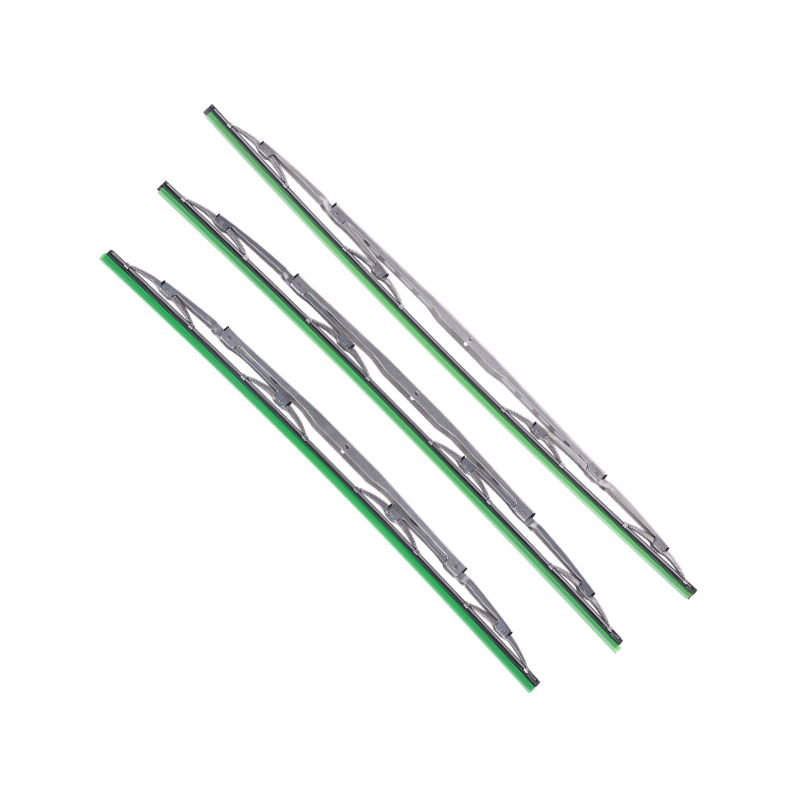
 Wiper arms are an essential component of any vehicle's windscreen cleaning system. Proper functioning of windscreen wiper arms ensures clear visibility during rain, snow, or other harsh weather conditions. However, over time, wiper arms and blades can wear out, bend, or fail, affecting their performance. Understanding the signs of failure and knowing how to replace them can help maintain safe driving conditions.
Common Signs of Wiper Arm Failure
One of the indicators that your wiper arms and blades may need attention is streaking on the windscreen. If your windscreen wiper arm does not press evenly against the glass, the wiper blade may leave streaks or patches of water. This uneven contact is often caused by a bent wiper arm or weakened spring tension.
Another common sign is unusual noise during operation. If the wiper arm produces squeaking, scraping, or grinding sounds, it may indicate loose connections or corrosion on the wiper arm pivot. In some cases, the car wiper motor might be fine, but the wiper arm itself has worn out or shifted, causing irregular movement.
Physical inspection can also reveal issues. A wiper arm that does not return to its resting position, moves erratically, or visibly shows signs of rust or cracks should be examined immediately. In these cases, replacement is often the more reliable solution to prevent further damage to the windscreen or the car wiper motor.
How to Check Wiper Arm Condition
To assess the condition of your windscreen wiper arms, start by turning on the wipers and observing their movement across the glass. Check for streaks, skipping, or uneven pressure. Next, lift the wiper arm away from the windscreen and examine the blade attachment and pivot points for signs of wear or corrosion.
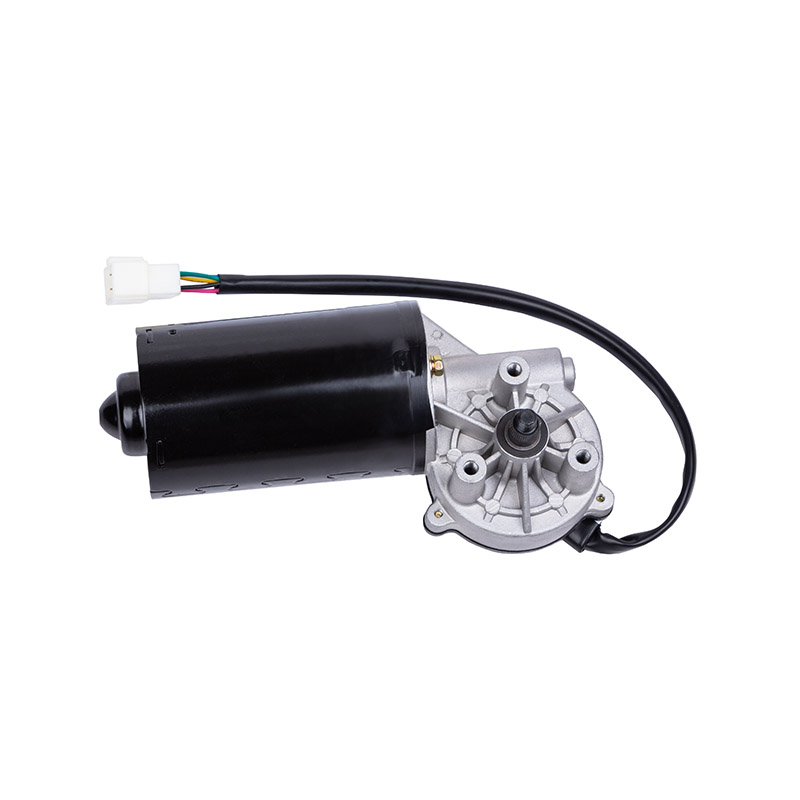
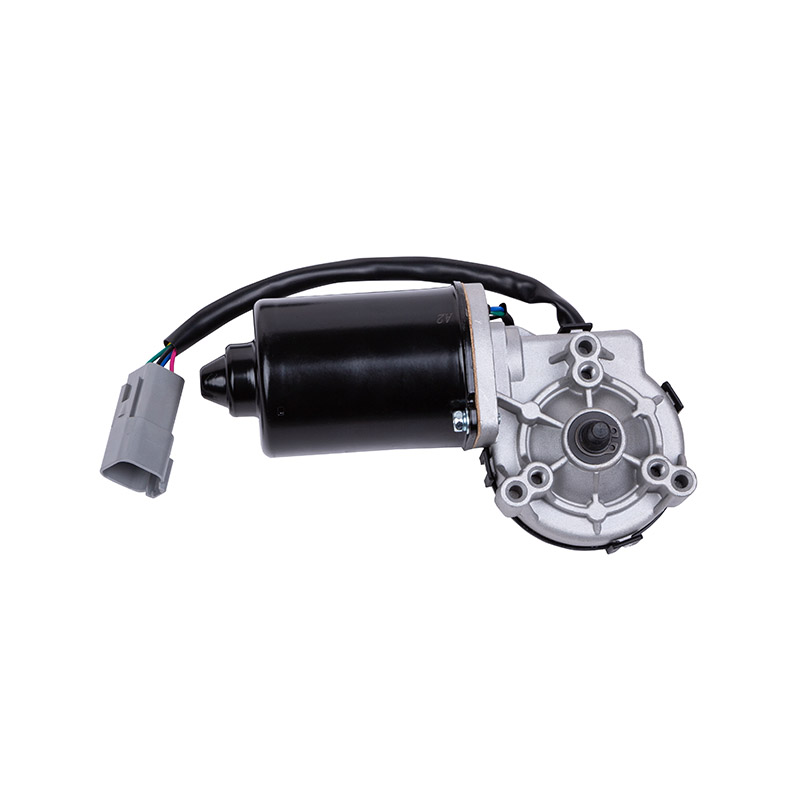
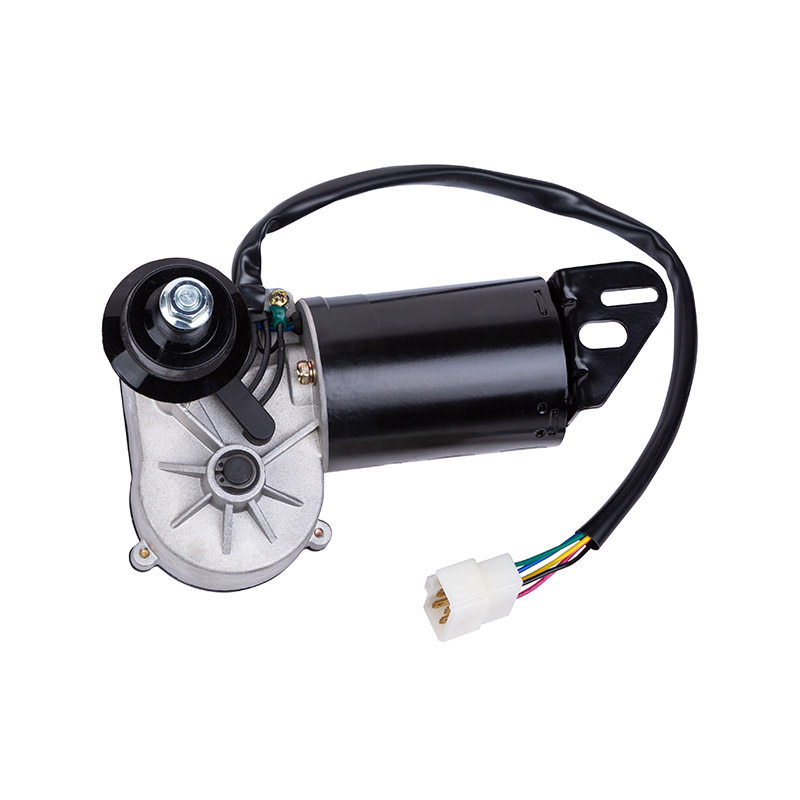
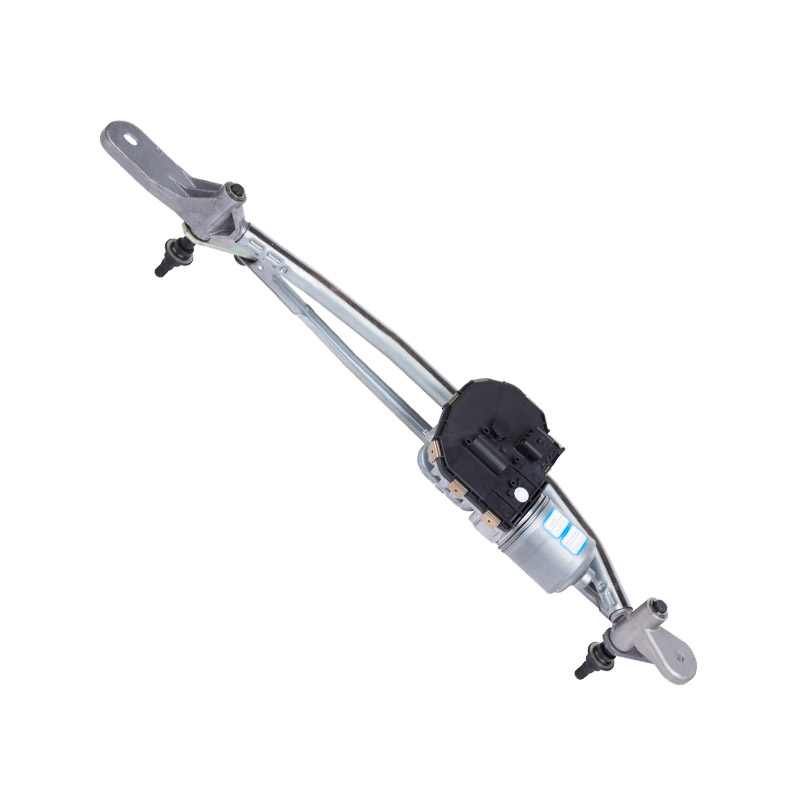
It is also helpful to check the connection between the wiper arm and the car wiper motor. A loose or worn connection can advance to ineffective wiping and even cause damage to the motor if the arm becomes misaligned. Ensuring that all fasteners are secure and that the arm moves smoothly without resistance is important for safe operation.
Replacing Wiper Arms and Blades
When replacement is necessary, start by removing the old windscreen wiper arm. This usually involves loosening a retaining nut at the base of the arm, lifting the arm off the motor spindle, and carefully removing the attached blade. It is advisable to inspect the car wiper motor at this stage to ensure there is no damage or wear on the spindle.
Installing the new wiper arm is generally straightforward. Align the arm with the motor spindle, tighten the retaining nut securely, and attach a new blade if required. Make sure the arm returns smoothly to its resting position and maintains even pressure across the windscreen. Testing the arm at various speeds can confirm proper installation.
Maintaining Wiper Arms for Longevity
Regular maintenance can help extend the life of your wiper arms and blades. Cleaning the windscreen and wiper blades to remove dirt, debris, and chemicals reduces wear on the blade and arm. Periodic inspection of the car wiper motor and wiper arm connections ensures that the system operates efficiently.
In addition, protecting the windscreen wiper arm from corrosion by applying a light protective coating or keeping it clean during winter months can prevent rust-related failures. Small adjustments to the arm's tension may also improve contact with the glass and reduce streaking, providing clearer visibility during adverse weather conditions.
Understanding the signs of wiper arm failure and performing timely replacements is essential for safe driving. Wiper arms and blades work together with the car wiper motor to keep your windscreen clear. Regular inspection, maintenance, and careful replacement of worn components can help ensure reliable performance and extend the lifespan of your vehicle's wiper system.