

 English
  Español
  русский
 When it comes to maintaining a clear and safe view while driving, the windshield wiper arm plays a crucial role. Proper compatibility between the wiper arm and the wiper blade is essential for ensuring smooth operation and effective water removal. Understanding how different blade types interact with various wiper arms can help vehicle owners and technicians improve performance and prolong the lifespan of their wiper systems.
Understanding Windshield Wiper Arms
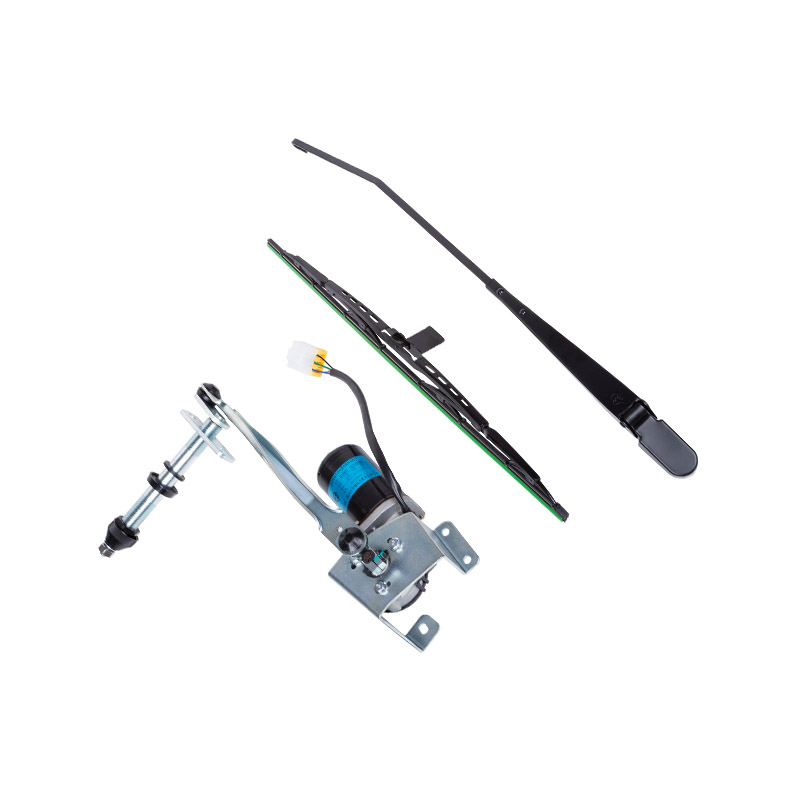
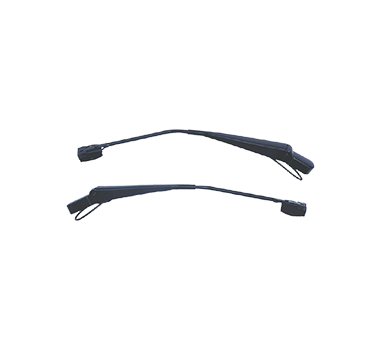
The windshield wiper arm is the component that connects the wiper blade to the vehicle's wiper system. Its function is to transfer motion from the wiper motor front to the blade, allowing it to move across the windshield in a consistent and controlled manner. Wiper arms vary in length, curvature, and attachment style depending on the vehicle type, whether it is a passenger car, bus, or construction equipment. Ensuring proper fit and alignment is key to effective wiping performance.
Types of Wiper Blades
Wiper blades are available in several designs, each suited to specific weather conditions and windshield shapes. The main types include conventional frame blades, beam blades, and hybrid blades. Conventional frame blades have a metal structure that supports the rubber element, while beam blades use a single, flexible piece of rubber to maintain even pressure. Hybrid blades combine features of both to balance durability and flexibility. Selecting the right type of blade to match a specific windshield wiper arm is necessary for smooth movement and consistent contact with the windshield.
Factors Affecting Compatibility
Several factors determine the compatibility between a wiper arm and a blade. These include the arm's connection type, length, and curvature. For example, a wiper arm designed for a passenger car may use a hook-type connection, while heavy machinery might employ a pin or bayonet attachment. The blade must match the connection style to avoid slipping or detachment during operation. Additionally, the arm length must correspond to the blade length to ensure complete coverage of the windshield surface.
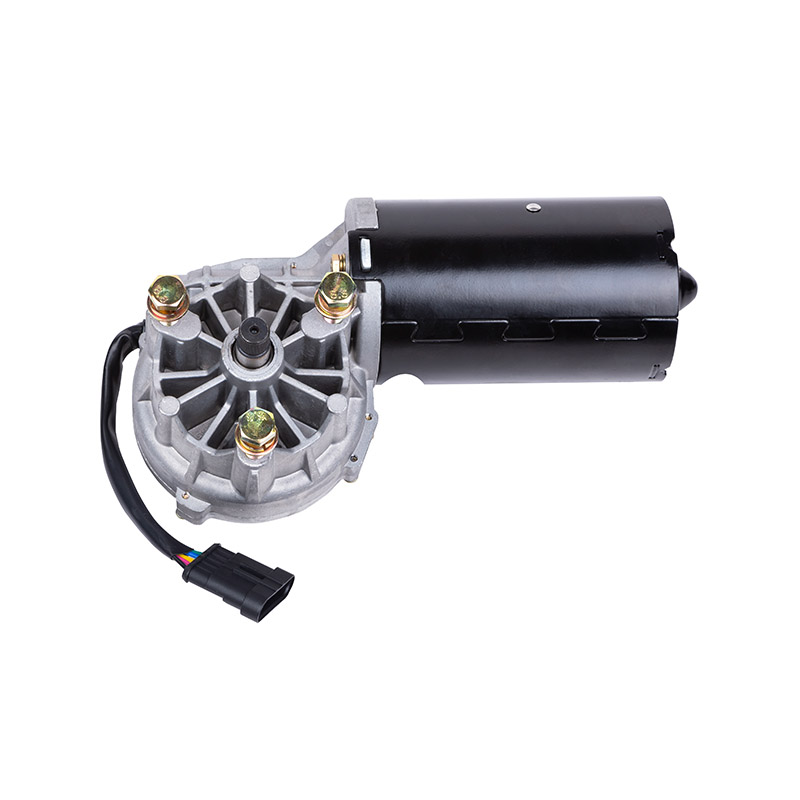
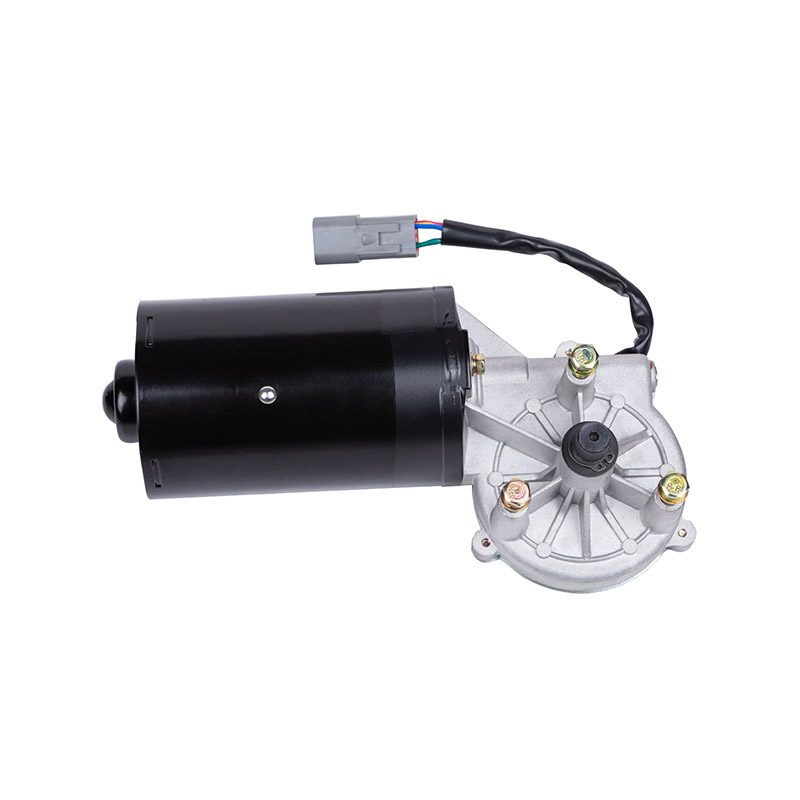
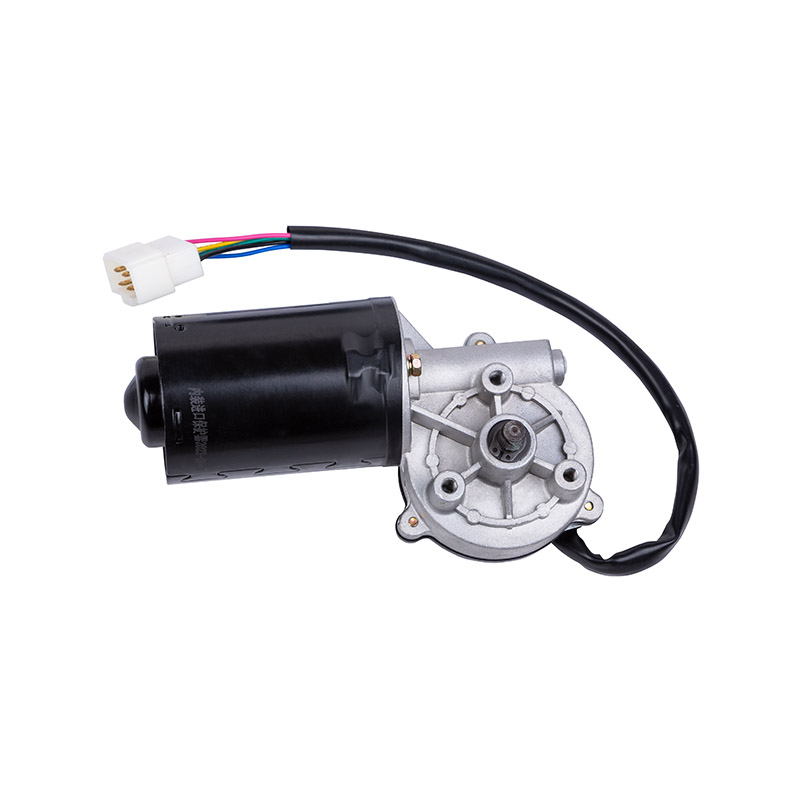
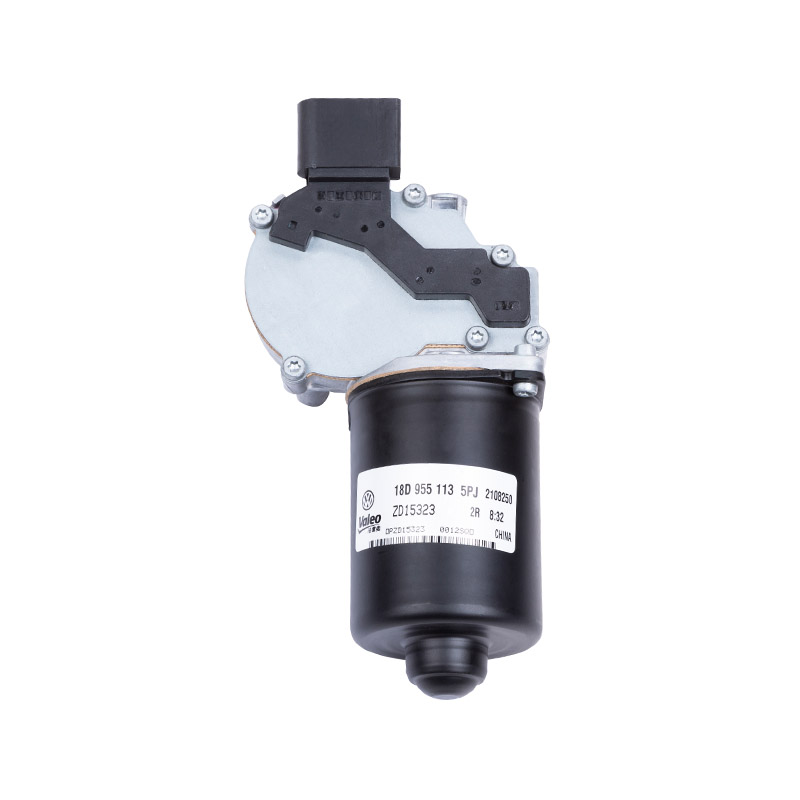
The Role of the Wiper Motor Front
The wiper motor front is the driving mechanism that powers the windshield wiper system. It converts electrical energy into mechanical motion, moving the wiper arm and blade in a coordinated pattern. The motor's speed and torque influence how well the blade clears water and debris. When selecting a wiper blade, it is important to consider the force generated by the wiper motor front, as certain blade designs require specific levels of pressure to operate effectively.
Installation Considerations
Installing a windshield wiper arm and blade requires attention to detail. Begin by verifying that the arm and blade are compatible in terms of connection type and length. Carefully attach the blade to the arm, ensuring it clicks or locks into place without forcing the components. Check the arm's tension against the windshield; it should press evenly along the blade's length. Once installed, operate the wipers to confirm smooth motion and consistent contact across the windshield.
Maintenance Tips
Regular maintenance can extend the life of both the windshield wiper arm and the blade. Clean the blade and arm periodically to remove dirt, debris, and road grime. Inspect the blade for signs of wear, such as cracks or uneven edges, and replace it when necessary. Check the wiper motor front for unusual noises or inconsistent movement, as this can affect blade performance. Proper lubrication of pivot points and periodic adjustment of arm tension can also improve wiping efficiency.
Wiper arm compatibility with different blade types is a critical aspect of vehicle safety and windshield maintenance. By understanding the connection types, arm length, blade design, and the role of the wiper motor front, vehicle owners can ensure effective and reliable operation. Careful installation and routine maintenance further support consistent performance, allowing drivers to maintain clear visibility in various weather conditions. Choosing the right combination of windshield wiper arm and blade contributes to safer driving and a longer lifespan for the wiper system.