

 English
  Español
  русский
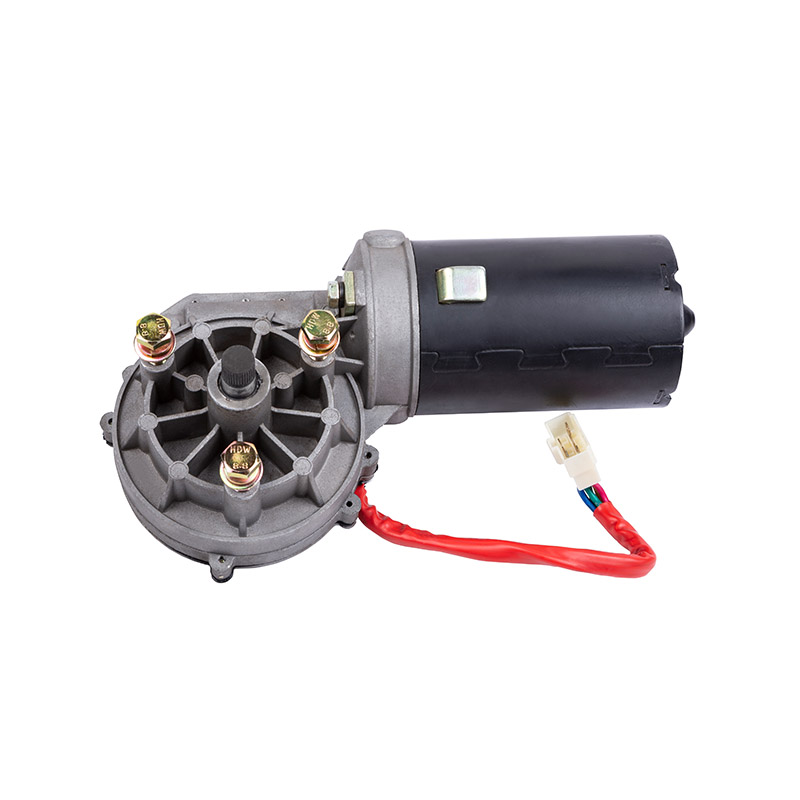
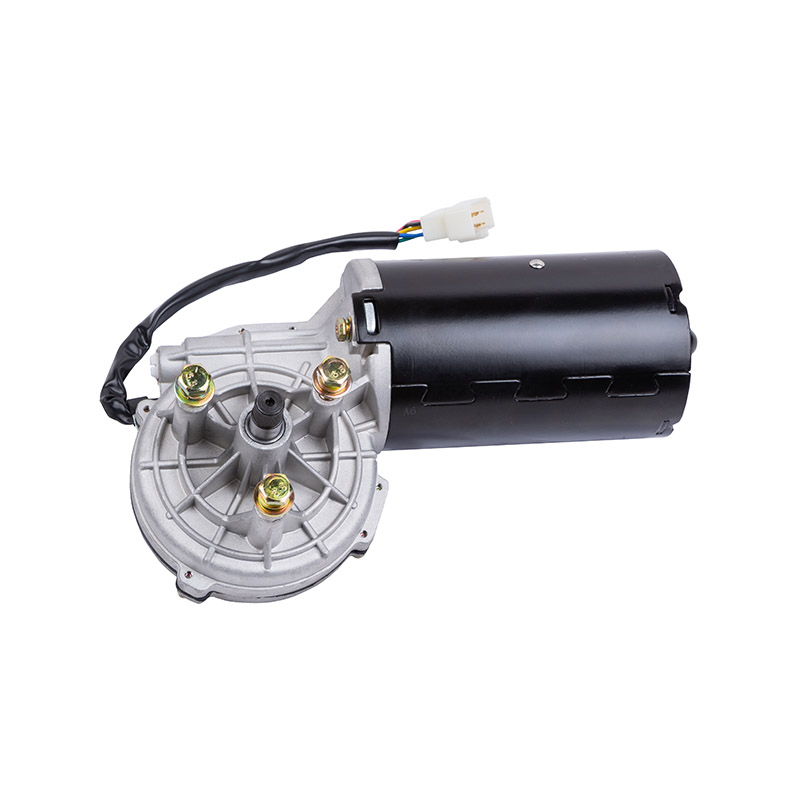
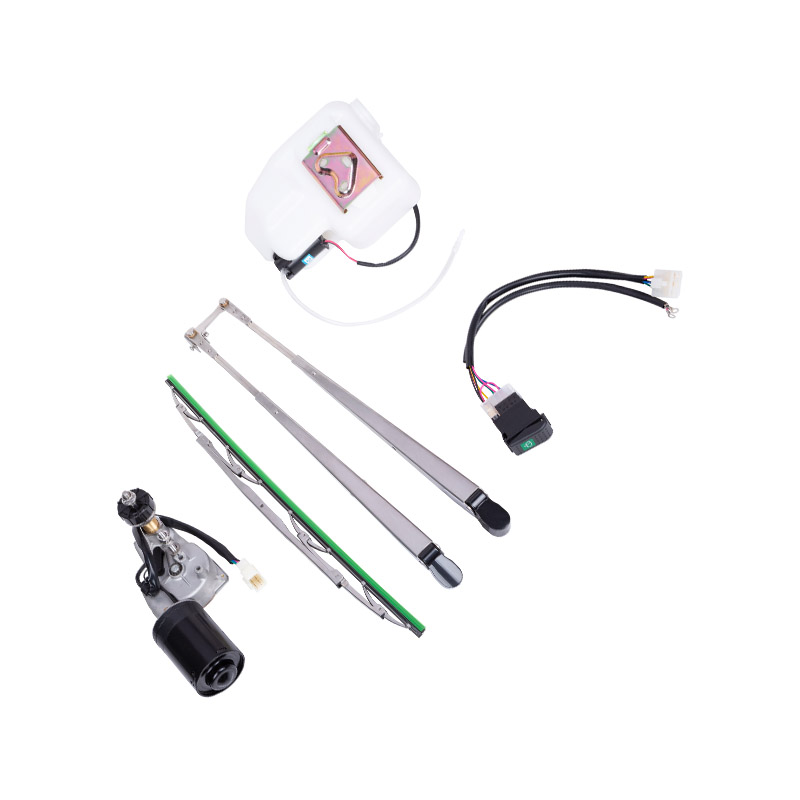
 Proper maintenance and protection of a vehicle's windshield wiper system are essential for reliable performance, especially in adverse weather conditions. The vehicle wiper motor is a key component in this system, responsible for driving the movement of the windshield wiper blades across the glass surface. Ensuring that this motor remains functional in wet environments requires effective waterproofing and sealing techniques.
Importance of Waterproofing for Wiper Motors
A windshield wiper blade motor is exposed to rain, snow, and splashes from the road. Without sufficient waterproofing, moisture can enter the motor housing, causing corrosion, short circuits, or mechanical failure. Over time, even minor water intrusion can advance to reduced efficiency and increased wear on the motor components. Therefore, engineers prioritize protective measures that prevent water penetration while maintaining motor functionality.
Common Sealing Methods
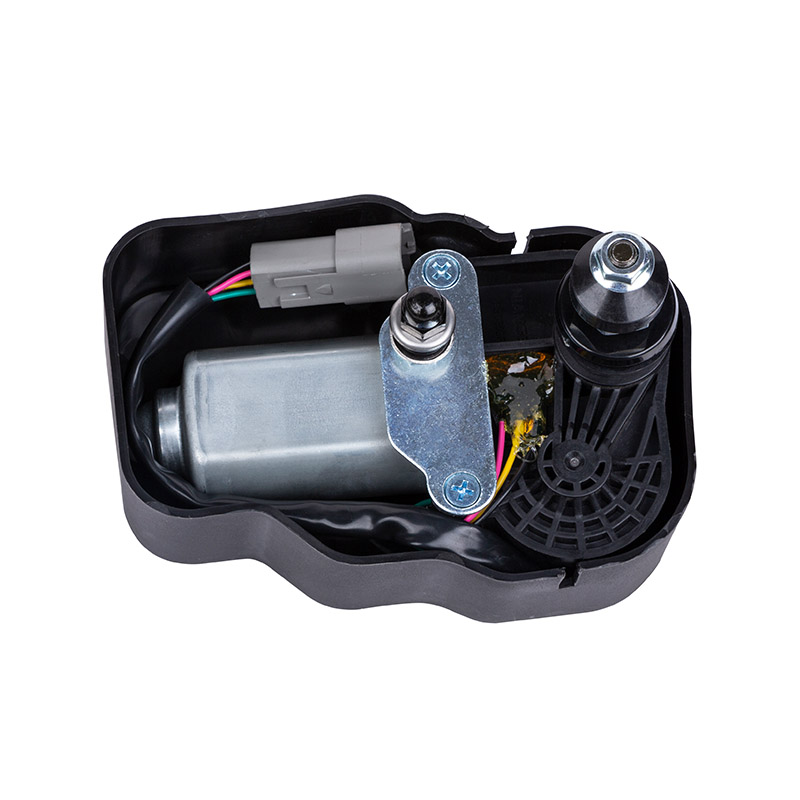
Several techniques are used to protect wiper motors from moisture. One approach is to apply high-quality gaskets or rubber seals around the motor casing. These seals create a barrier that prevents water from reaching the internal components. Another method involves the use of silicone-based coatings on electrical connections and motor surfaces, providing additional protection against corrosion. For motors with removable covers, careful design ensures that screws and joints maintain a tight seal during operation.
Housing Design Considerations
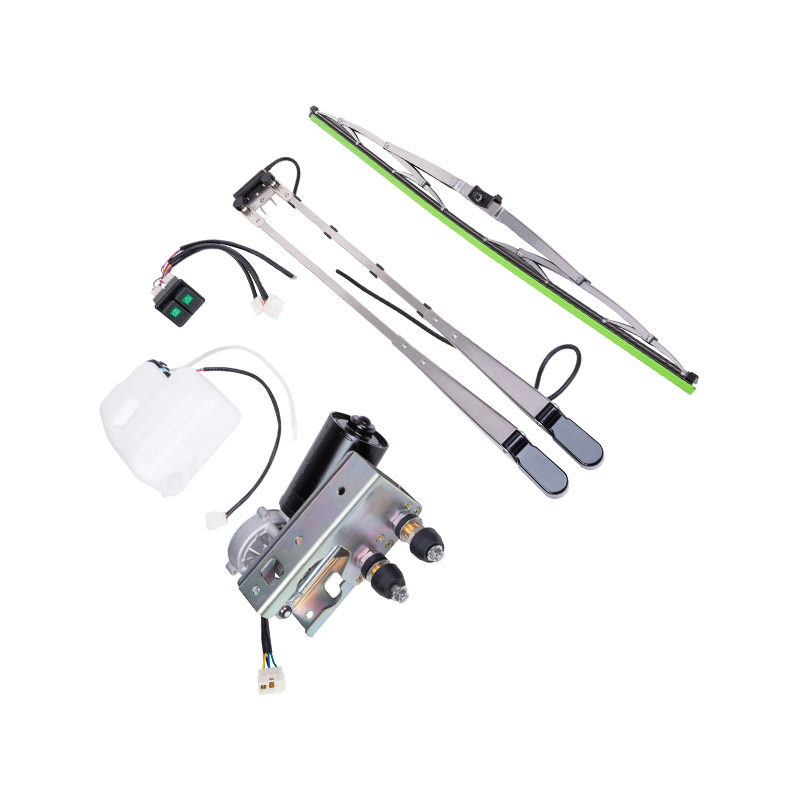
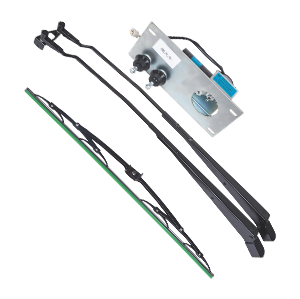
The design of the motor housing plays a significant role in waterproofing. A well-engineered housing should direct water away from sensitive areas and prevent pooling around seals. Some windshield wiper control arm assemblies are integrated with the motor housing, meaning that the sealing system must accommodate both the motor and the mechanical linkage. Proper alignment and assembly of these components help ensure long-term durability under repeated exposure to moisture.
Material Selection
Selecting materials that resist corrosion is crucial for waterproofing. Metals such as stainless steel or treated aluminum are often used for motor housings, while high-grade plastics provide lightweight protection for internal components. Additionally, coatings such as epoxy or polyurethane add another layer of defense against water and chemical exposure from road conditions. Using compatible materials for both the housing and seals reduces the risk of degradation over time.
Testing and Quality Assurance
Before a vehicle wiper motor reaches the market, manufacturers conduct thorough testing to verify its waterproofing performance. Tests may include water spray, immersion, or high-humidity exposure to simulate real-world conditions. Motors are observed for leakage, temperature changes, and operational consistency. Such testing ensures that both the windshield wiper blade motor and the associated windshield wiper control arm perform reliably, even in challenging environments.
Maintenance Tips
Even with effective waterproofing, regular maintenance helps prolong the life of the wiper motor. Inspect seals for cracks or deformation, clean any debris that may obstruct drainage channels, and ensure electrical connections remain dry and secure. Replacing worn or damaged seals promptly prevents moisture from reaching sensitive motor parts. Additionally, periodic checks of the windshield wiper control arm alignment help maintain smooth blade motion and reduce mechanical stress on the motor.
Waterproofing and sealing are critical aspects of windshield wiper system design. By combining thoughtful housing design, appropriate materials, and reliable sealing methods, manufacturers can ensure that a vehicle wiper motor remains protected from moisture and continues to operate efficiently. Routine maintenance and inspection of seals and linkages, including the windshield wiper control arm, further support long-term performance. Proper attention to these factors provides drivers with consistent visibility and safety during wet or snowy conditions.