

 English
  Español
  русский
 Driving at high speeds brings unique challenges for vehicle safety and visibility. One crucial yet often overlooked factor is the performance of wiper blades. The aerodynamic design of wiper blades can significantly influence how effectively they clear water from the windshield, especially under strong winds or heavy rain. This article explores the importance of aerodynamic wiper blades, as well as the role of related components such as marine windscreen wiper motors, car rear wiper arms, and car rear wiper blades.
Understanding Aerodynamic Wiper Blades
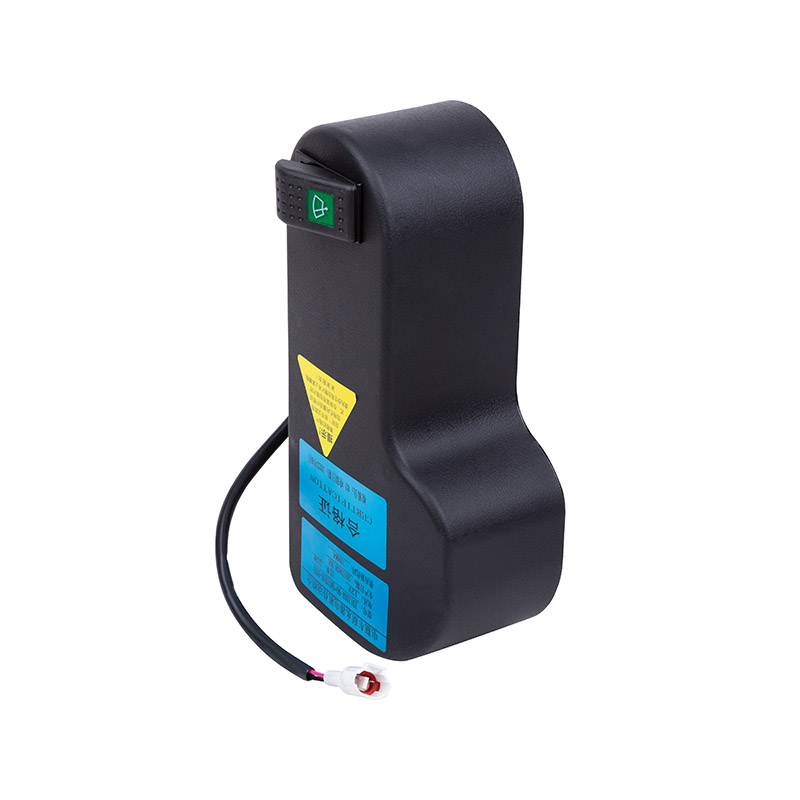
Aerodynamic wiper blades are shaped to reduce air resistance and lift while the vehicle is moving. At high speeds, ordinary flat blades may be lifted off the windshield by wind pressure, resulting in streaks or incomplete water removal. Modern aerodynamic designs often feature curved frames and flexible pressure distribution, which allows the blade to maintain consistent contact with the glass surface. This ensures that the driver has a clear view, improving safety in adverse weather conditions.
The Role of Marine Windscreen Wiper Motors
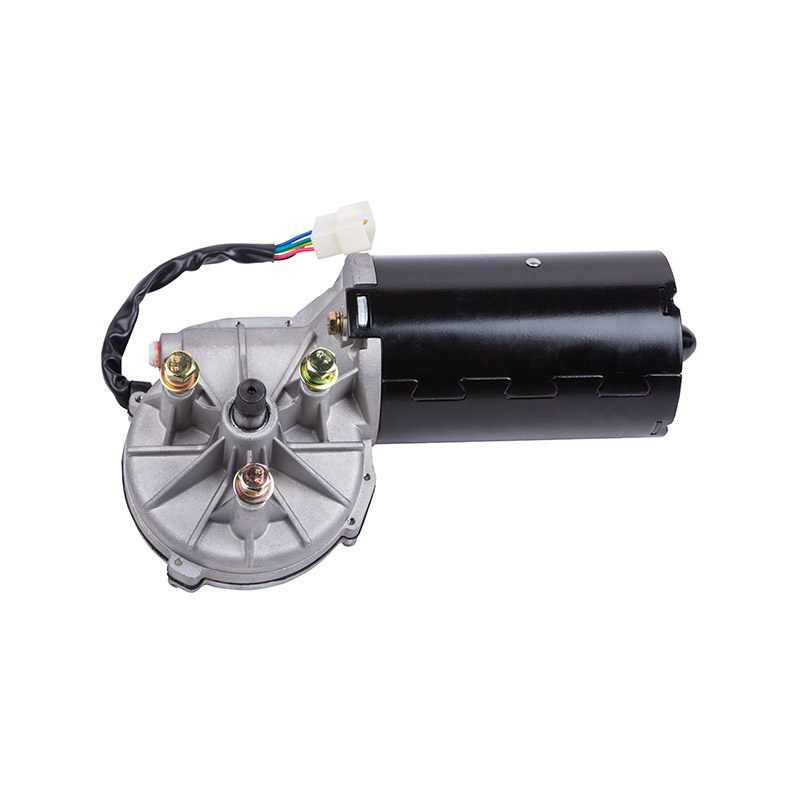
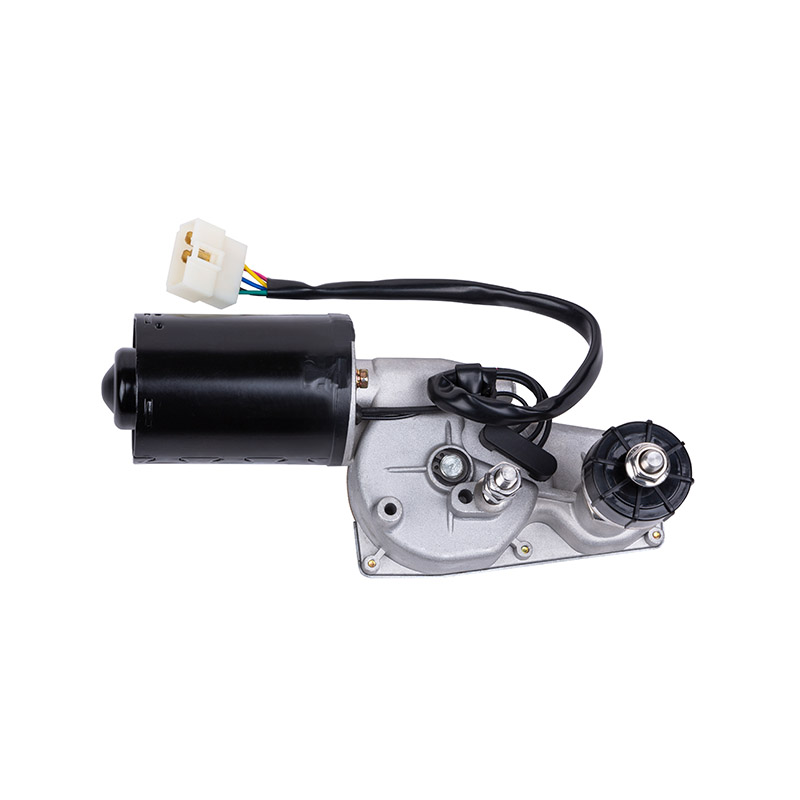
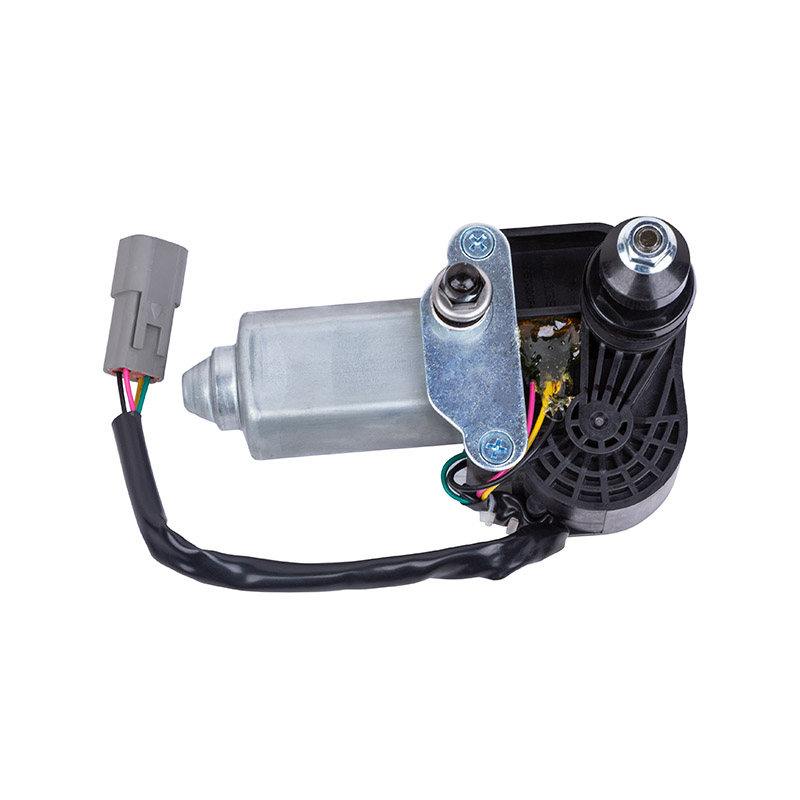
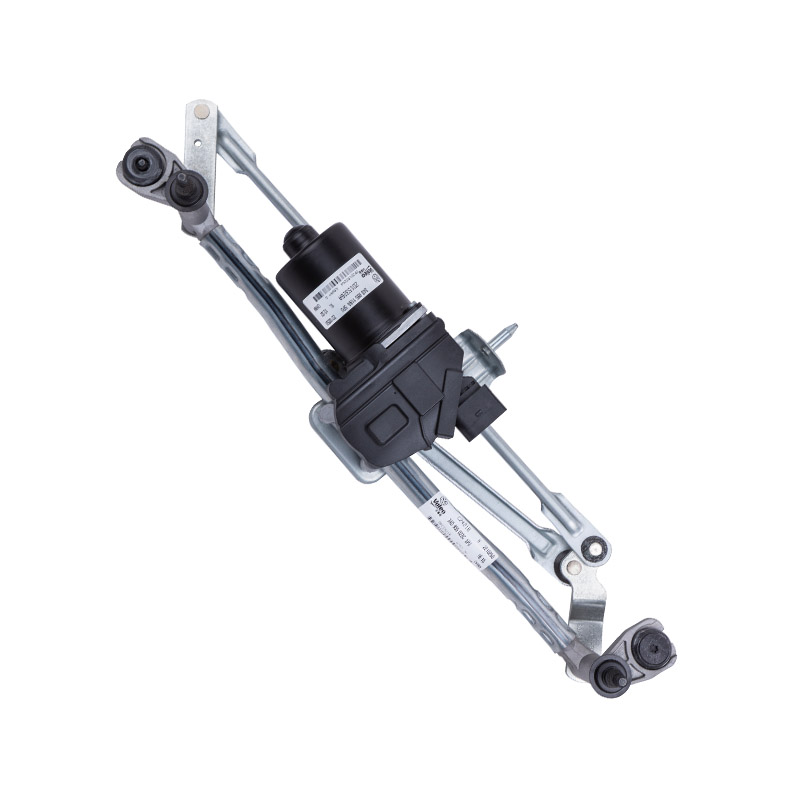
While aerodynamic design is vital, the motor driving the wiper system also plays a crucial role. In marine applications, a marine windscreen wiper motor is specifically engineered to handle continuous operation under harsh conditions such as saltwater exposure and strong wind loads. These motors provide consistent power to move the wiper blades smoothly across the windshield, even when faced with heavy rain or high-speed travel. On land, automotive wiper motors serve a similar function, but marine wiper motors are often designed to offer higher torque and more robust corrosion resistance.
Importance of Car Rear Wiper Arms
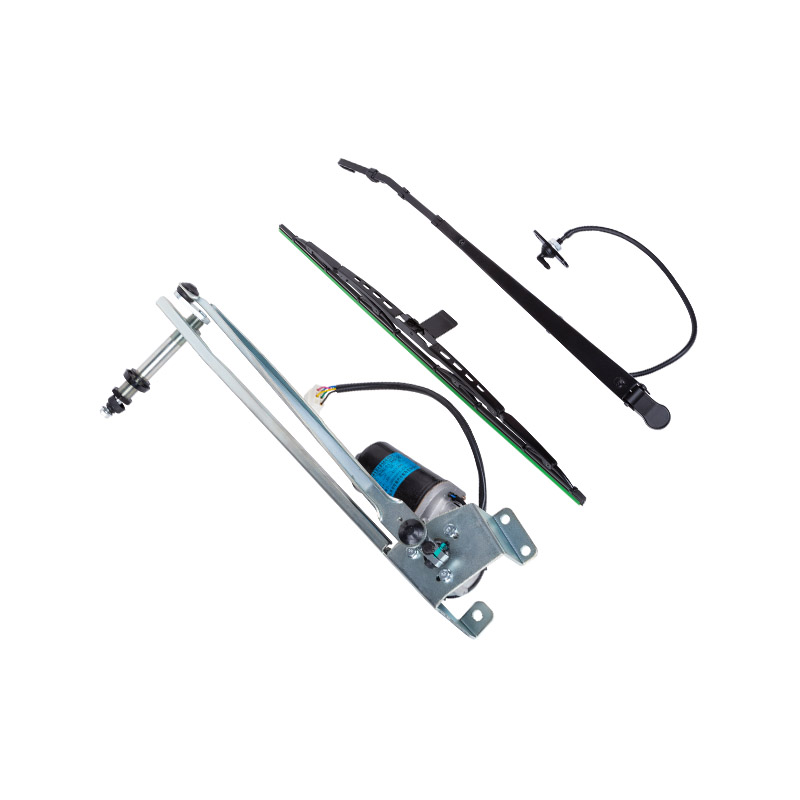
Rear visibility is just as important as front visibility, particularly in high-speed vehicles like SUVs or hatchbacks. Car rear wiper arms must be sturdy enough to withstand wind pressure and maintain proper blade contact during operation. Aerodynamic considerations are applied not only to the blade itself but also to the arm, ensuring it does not lift or flex excessively. Properly designed rear wiper arms contribute to an overall effective rear wiper system, which is crucial for safe driving in rainy or snowy conditions.
Car Rear Wiper Blade Design
The car rear wiper blade complements the arm by providing the actual contact surface with the rear windshield. Like front wiper blades, rear blades can benefit from aerodynamic shaping. Curved or contoured blades help maintain firm pressure along the glass, even at higher speeds. Additionally, rear wiper blades often have specialized end caps or flexible joints to accommodate the unique shape of rear windows. Ensuring that the rear wiper blade operates efficiently reduces water streaks and enhances rear visibility, particularly during wet weather or when driving through spray from other vehicles.
Integration and Maintenance
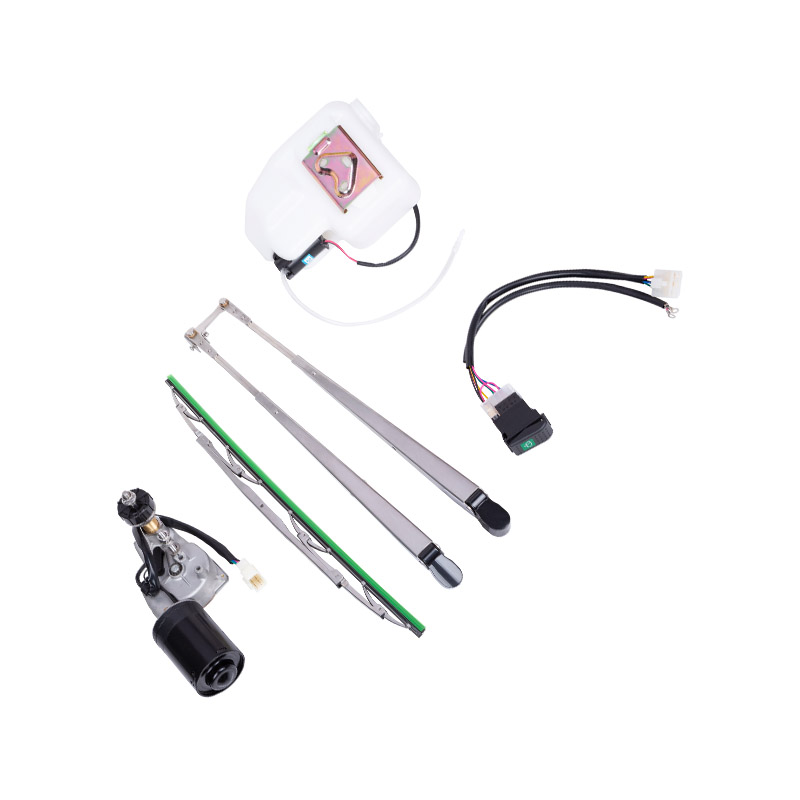
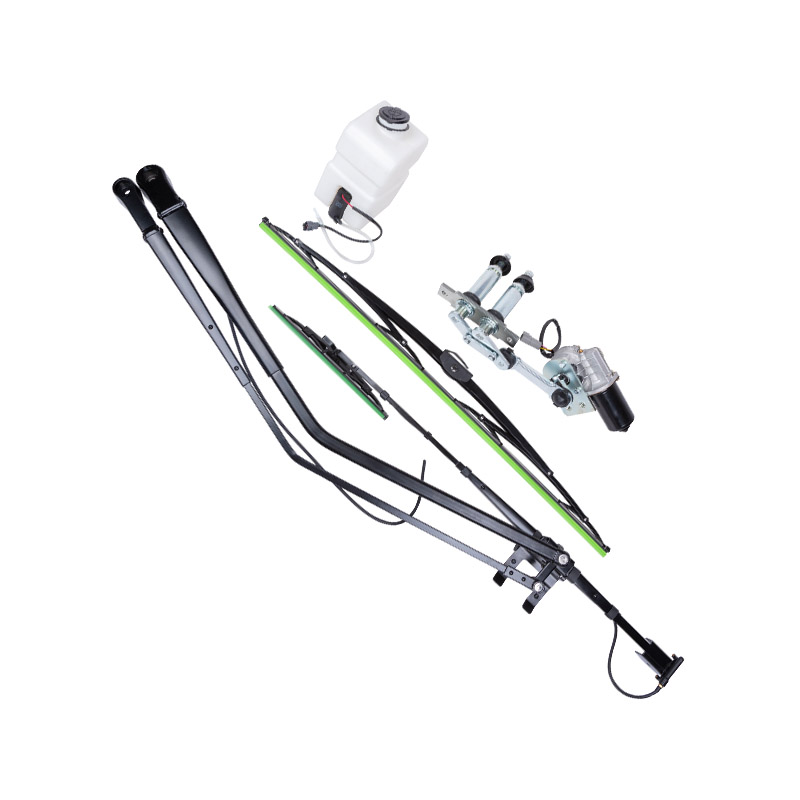
To achieve good performance, aerodynamic wiper blades must be properly integrated with the wiper motor and arm system. Regular maintenance, including checking blade wear, cleaning the windshield, and ensuring the motor and arm are functioning correctly, helps maintain clear visibility. Even minor misalignment or motor inefficiency can reduce the effectiveness of aerodynamic designs.
Wiper blade aerodynamic design plays a vital role in maintaining clear visibility at high speeds. When combined with reliable marine windscreen wiper motors, well-designed car rear wiper arms, and high-quality rear wiper blades, drivers can achieve more consistent and safer performance in challenging weather conditions. Understanding the interaction between these components allows for better system design and careful maintenance, ultimately contributing to safer driving experiences on both road and water environments.