

 English
  Español
  русский
 Understanding Wiper Motor Performance
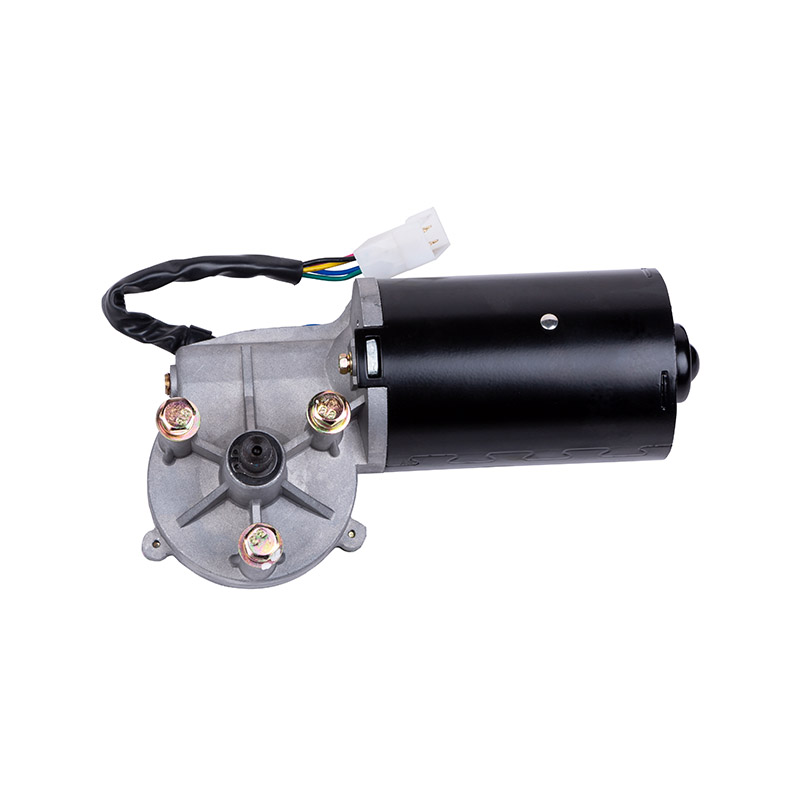
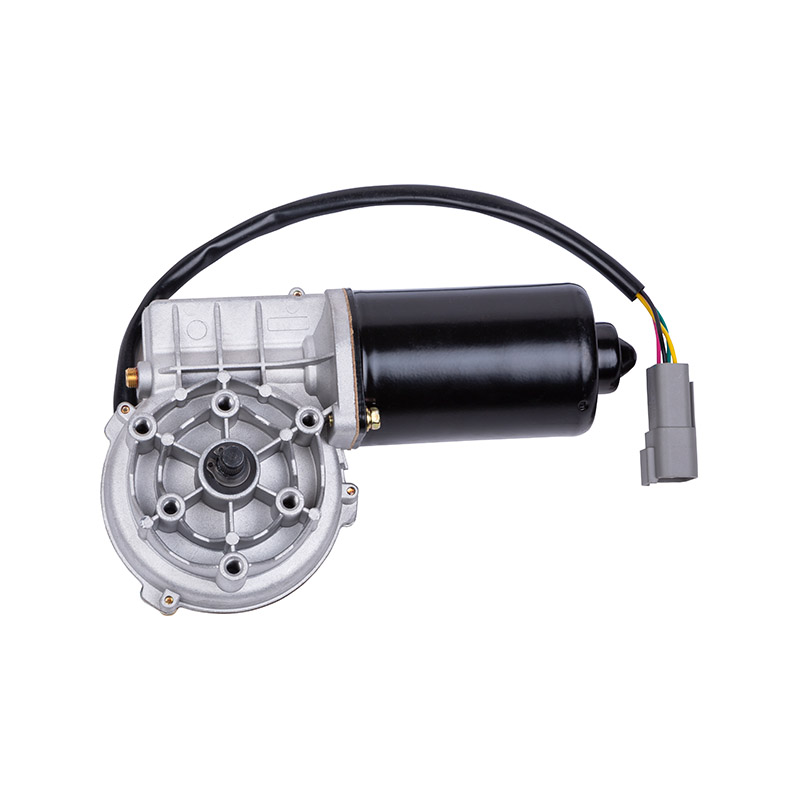
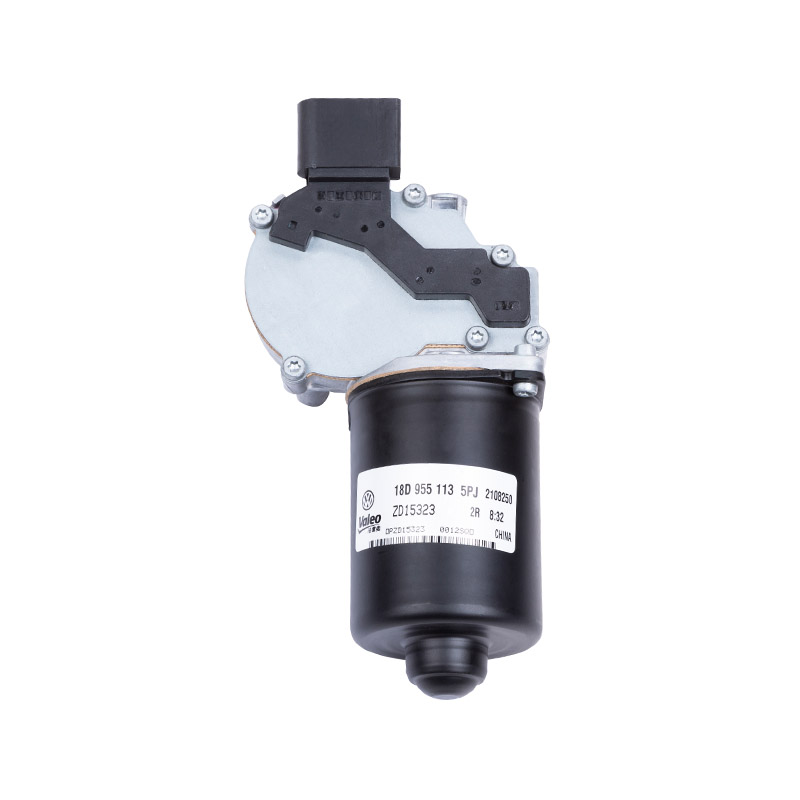
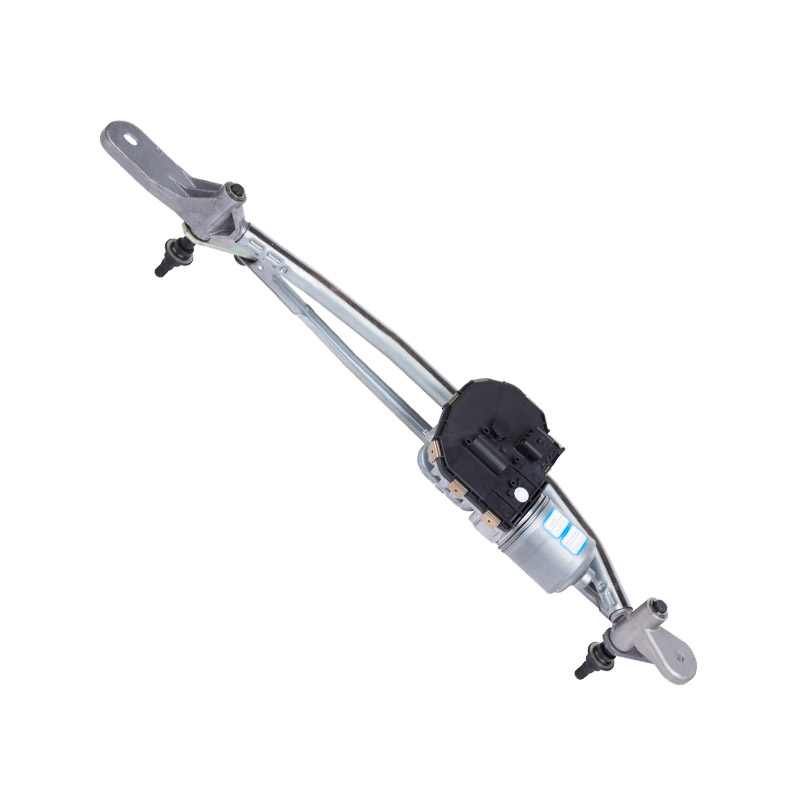
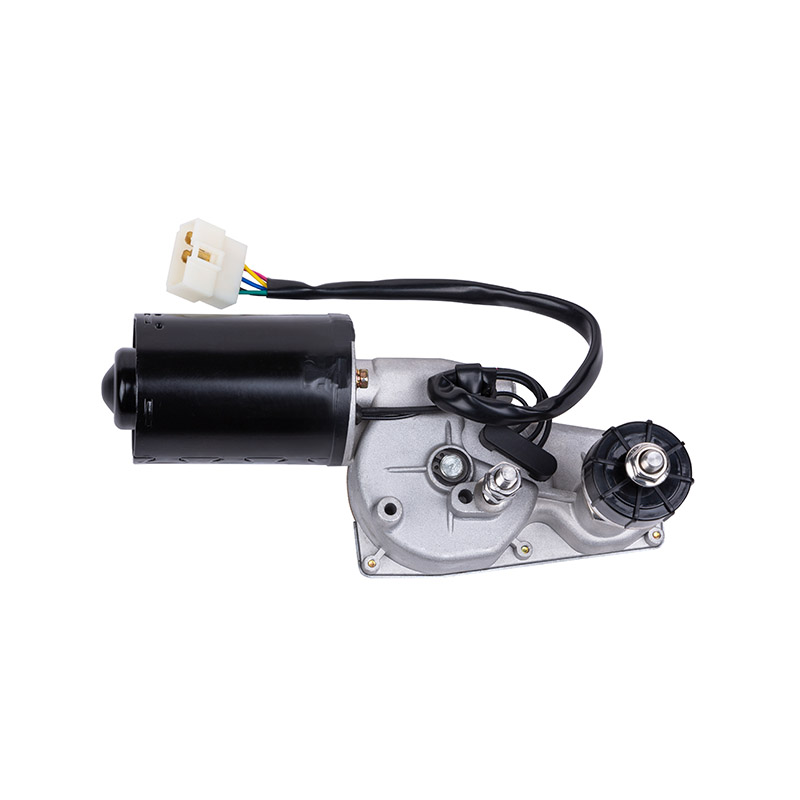
A wiper motor is a critical component in any vehicle or marine vessel, responsible for ensuring a clear windshield under varying weather conditions. From high-speed wiper motors used in buses and passenger cars to durable motors integrated in marine systems, understanding how these motors perform over time is essential for safety and reliability. Testing procedures play a vital role in evaluating the long-term stability of these motors, ensuring they function consistently under continuous or intermittent operation.
Key Components in Wiper Motor Systems
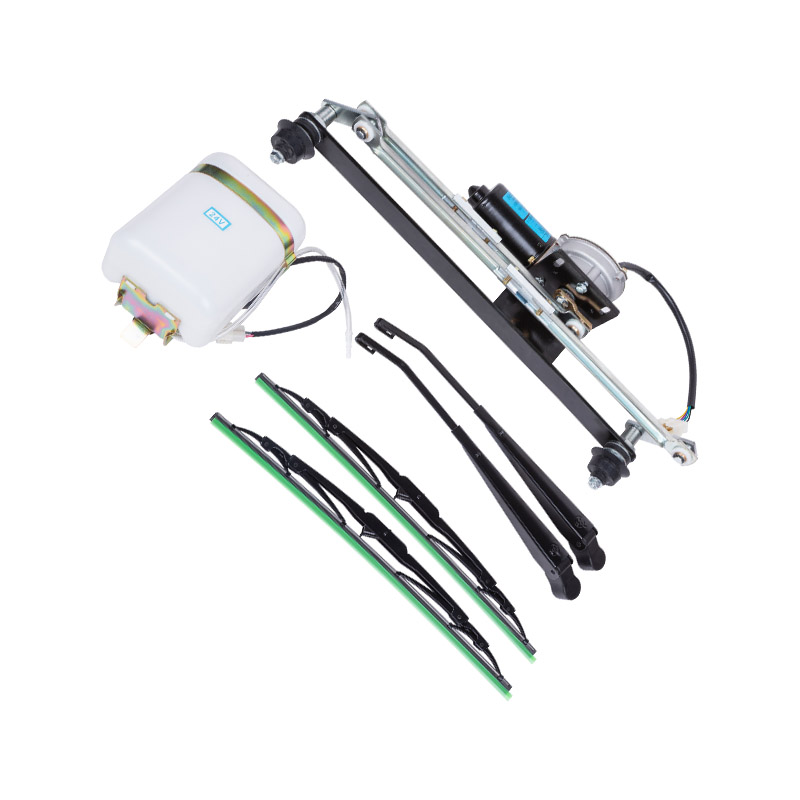
Modern wiper systems often rely on components made from robust materials to maintain performance in demanding environments. Stainless steel marine parts, for example, are widely used in coastal or offshore vessels where corrosion from saltwater can compromise motor functionality. These components not only extend the life of the wiper system but also help maintain smooth and stable operation of the high-speed wiper motor, even under heavy rainfall or high-speed navigation conditions. Additionally, high-end windshield wipers paired with these motors provide uniform pressure across the glass, ensuring up-to-date visibility and safety.
Standard Testing Procedures
Testing wiper motors for long-term stability involves several stages. Initially, motors undergo a visual inspection to detect any manufacturing defects or assembly issues. Electrical testing follows, where voltage and current are measured under various load conditions. These tests confirm that the motor can operate efficiently across its full range of speeds without overheating or drawing excessive current.
Next, endurance tests are conducted, often simulating thousands of cycles of operation. High-speed wiper motors are subjected to continuous operation at different speeds to ensure that they maintain consistent torque and do not exhibit performance degradation over time. During these tests, the interaction with wiper arms and blades is monitored, as any imbalance can advance to vibrations or uneven wiping patterns.
Environmental and Stress Testing
Wiper motors, especially those used in marine applications, must endure environmental challenges. Motors integrated with stainless steel marine parts are tested under conditions that simulate exposure to salt spray, humidity, and temperature fluctuations. These environmental stress tests help identify potential corrosion issues and verify the durability of both the motor and supporting components.
Mechanical stress testing is also essential. Wiper arms and high-end windshield wipers create variable loads on the motor, especially during high-speed operation or when encountering debris on the windshield. Testing procedures replicate these scenarios, ensuring that the motor can handle sudden load changes without mechanical failure or performance drop.
Monitoring and Data Analysis
During testing, data is continuously collected to evaluate the motor's performance. Parameters such as rotational speed, current consumption, and temperature are recorded to detect early signs of wear or failure. High-speed wiper motors are particularly sensitive to overheating, and monitoring these metrics allows engineers to adjust design or maintenance schedules to maintain long-term stability.
In addition to electronic monitoring, physical inspections are carried out at intervals. Components like bushings, bearings, and wiper linkages are checked for wear, alignment, and secure attachment. Combining electronic data with hands-on inspections ensures a comprehensive understanding of the motor's durability.
Implications for Users
For vehicle operators, reliable wiper motor performance translates directly into safety. High-end windshield wipers, when paired with a well-tested high-speed motor, provide consistent visibility in heavy rain, snow, or marine spray. Routine maintenance and attention to system components, including stainless steel marine parts, help prolong motor life and reduce the risk of unexpected failures during operation.
Wiper motor testing procedures are a crucial aspect of developing durable and dependable systems for automotive and marine applications. By combining endurance tests, environmental simulations, and careful monitoring, manufacturers can ensure long-term stability for high-speed wiper motors and high-end windshield wipers. Stainless steel marine parts further enhance system resilience, particularly in harsh or corrosive environments. Ultimately, these procedures contribute to safer, more reliable visibility solutions, supporting both everyday driving and specialized maritime operations.