

 English
  Español
  русский
 Maintaining a clear view through your windshield or marine glass is essential for safety and comfort. Wiper arms play a critical role in ensuring that wiper blades maintain proper contact with the surface. Incorrectly adjusted wiper arms can advance to streaks, missed areas, or uneven pressure, which reduces visibility. Understanding proper wiper arm adjustment techniques is important for both vehicles and marine equipment.
Understanding Wiper Arm Function
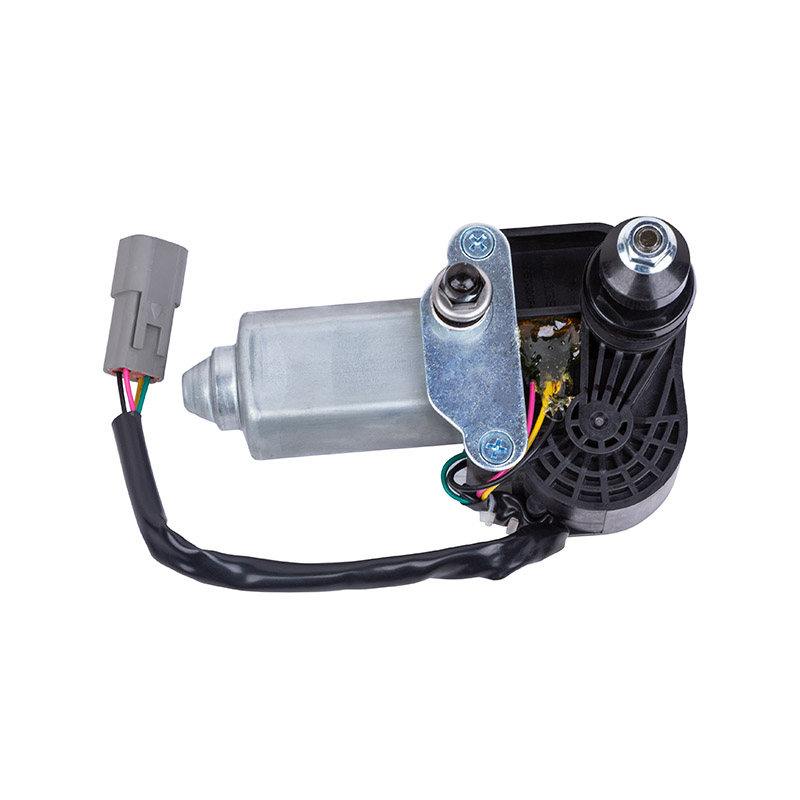
The wiper arm serves as the link between the wiper motor and the wiper blade itself. On a car, front wiper blades rely on the arm to apply consistent pressure across the windshield. Similarly, a marine wiper operates on boats and ships, where it must withstand harsh weather conditions like salt spray and high winds. Both types of wiper arms, whether single or double configurations, require correct alignment to ensure smooth operation and efficient water removal.
Signs That Wiper Arms Need Adjustment
Before adjusting, it's important to identify symptoms of misalignment. Common signs include streaking, chattering noises, or areas of the windshield that remain wet after a sweep. In vehicles equipped with a double wiper arm system, uneven pressure between the two arms may cause overlapping streaks or gaps. On marine vessels, improperly adjusted wiper arms may fail during heavy rain or rough seas, reducing safety on deck. Recognizing these issues early can prevent long-term damage to both the wiper blade and the arm mechanism.
Step-by-Step Adjustment for Car Front Wiper Blades
Park the vehicle in a safe area with the ignition turned off.
Lift the wiper arm away from the windshield carefully to avoid bending.
Check the attachment point where the arm connects to the motor pivot. Loosen the retaining nut slightly if needed.
Position the wiper blade so that it rests evenly along the lower edge of the windshield. Ensure that the blade contacts the glass without excessive pressure in the center.
Tighten the retaining nut and return the wiper arm to its resting position. Test by running the wipers to check coverage.
Adjusting Marine Wiper Arms
Marine wiper arms face different challenges compared to car wipers. Saltwater and constant exposure to sunlight can affect tension and alignment. To adjust a marine wiper:
Remove any corrosion or debris from the pivot area.
Loosen the arm mounting screws to allow minor repositioning.
Align the blade so it sweeps across the intended viewing area without leaving dry spots.
Test the motor and blade movement at different speeds to ensure full coverage.
Retighten screws and perform routine checks to maintain alignment over time.
Double Wiper Arm Considerations
Vehicles and some larger marine vessels use double wiper arm systems to cover wider surfaces efficiently. Adjusting double wiper arms requires attention to the interaction between the two arms. Both arms should sweep simultaneously without colliding. Check the spacing and timing, and make minor adjustments to the pivot angles if necessary. Proper synchronization ensures smooth operation and reduces wear on the wiper motors.
Routine Maintenance and Inspection
Adjustment alone is not enough; regular maintenance extends the lifespan of your wiper system. Inspect both the arms and blades for signs of corrosion, cracks, or wear. Replace worn blades promptly, and lubricate pivot points to maintain smooth movement. For marine applications, additional protection against salt and UV exposure can prolong the effectiveness of both the wiper arm and the blade.
Correctly adjusting wiper arms significantly improves visibility and safety, whether on a vehicle or a marine vessel. Paying attention to alignment, pressure, and interaction between double wiper arms ensures that both car front wiper blades and marine wipers function effectively. By combining proper adjustment with routine inspection and maintenance, you can maintain a clear view in varying weather conditions, enhancing overall safety and comfort.