

 English
  Español
  русский
 Effective windshield wipers are crucial for clear visibility and safe operation of vehicles, ships, and industrial machines. While many components contribute to a wiper system's performance, the wiper arm plays a critical role in maintaining uniform pressure across the blade. Proper design ensures that water, snow, or debris is removed efficiently without leaving streaks. This article explores the principles behind wiper arm design and the considerations for different applications.
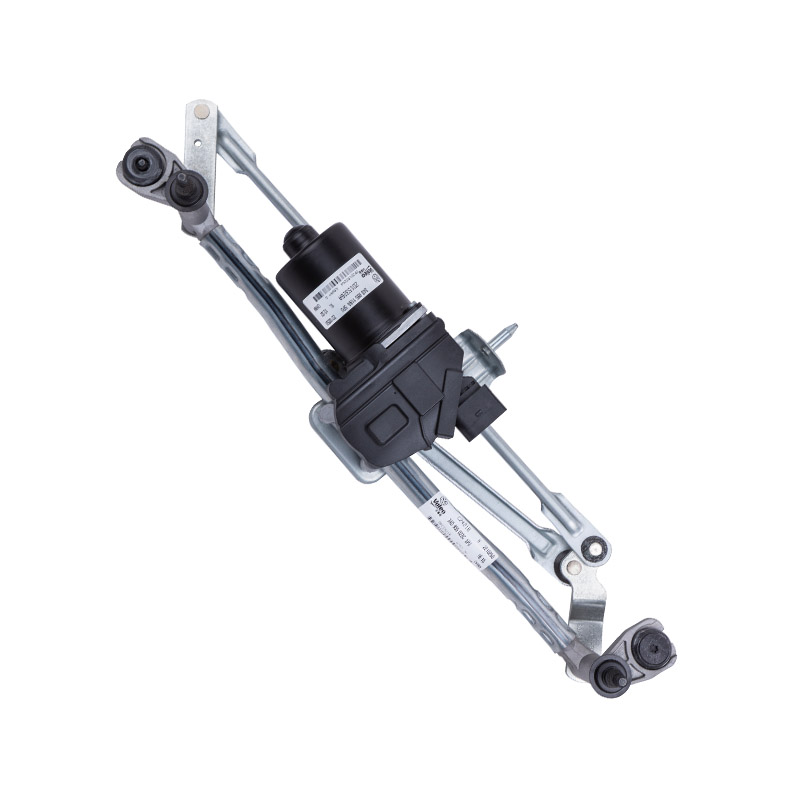
Importance of Uniform Pressure
Uniform pressure distribution allows wiper blades to maintain consistent contact with the windshield or viewing surface. Uneven pressure can advance to streaks, scratches, or incomplete clearing, which may compromise safety in challenging conditions. In automotive and marine applications, achieving even pressure is particularly important because surfaces vary in curvature and material. For car parts wipers, improper pressure may reduce visibility during heavy rain, while in a marine wiper kit, uneven force can reduce performance against splashes and waves.
Material Selection for Wiper Arms
The choice of material affects both the strength and durability of a wiper arm. Stainless wiper arms are often preferred for marine and industrial applications due to their corrosion resistance and long service life. In automotive applications, lightweight metals or treated alloys are commonly used to balance strength with efficiency. Material selection should consider environmental factors, such as exposure to saltwater in marine wiper kits or temperature fluctuations in automotive settings. Using appropriate materials helps maintain consistent pressure distribution over time, even under challenging conditions.
Structural Design Considerations
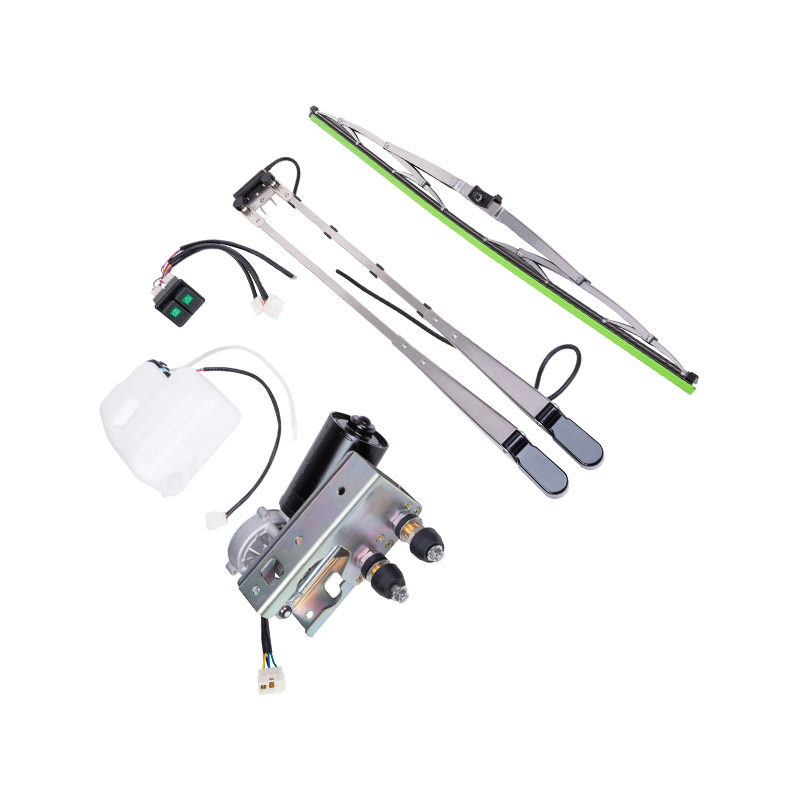
A wiper arm must be carefully engineered to provide the right combination of stiffness and flexibility. The arm should resist bending under pressure while conforming slightly to the windshield or surface curvature. Design features like tension springs, pivot points, and aerodynamic shapes can help distribute force evenly along the blade. For car parts wipers, attention to spring tension ensures the blade presses evenly across flat or slightly curved windshields. Marine wiper kit designs often incorporate reinforced pivots and corrosion-resistant coatings to maintain functionality under dynamic conditions, such as rough seas or heavy rainfall.
Mounting and Adjustment Mechanisms
Proper installation is essential to ensure uniform pressure. Adjustable mounting points allow the wiper arm to be fine-tuned for good contact. In stainless wiper arms, precision-engineered holes and pivot assemblies allow for consistent pressure adjustments and reduce vibration or flutter during operation. Regular inspection and adjustment of wiper arms can prevent uneven wear on blades and improve overall system efficiency. Both automotive and marine operators should follow manufacturer guidelines when setting tension or adjusting the arm angle.
Integration With Wiper Blades
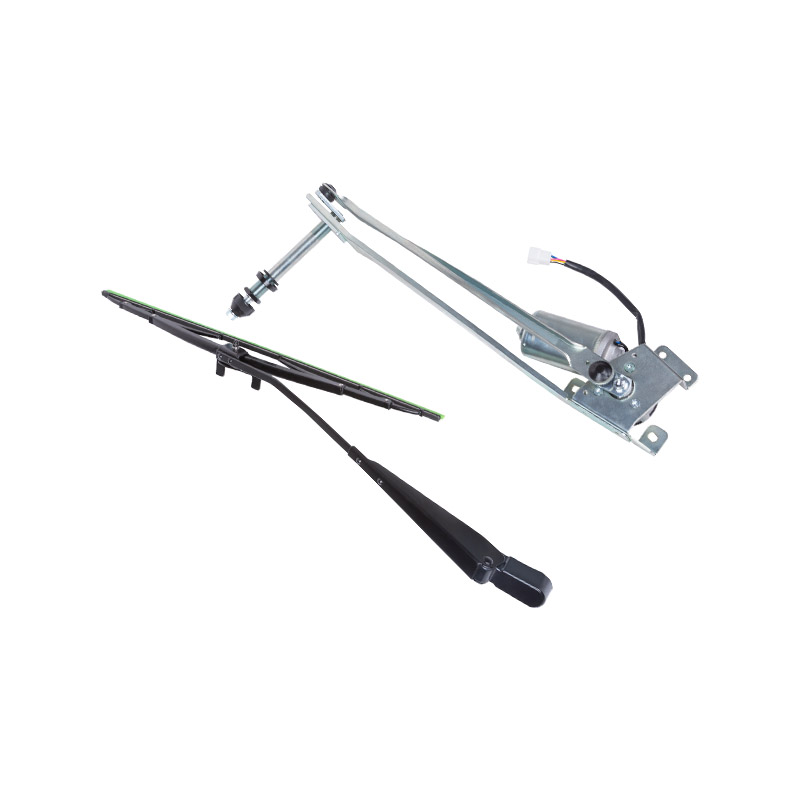
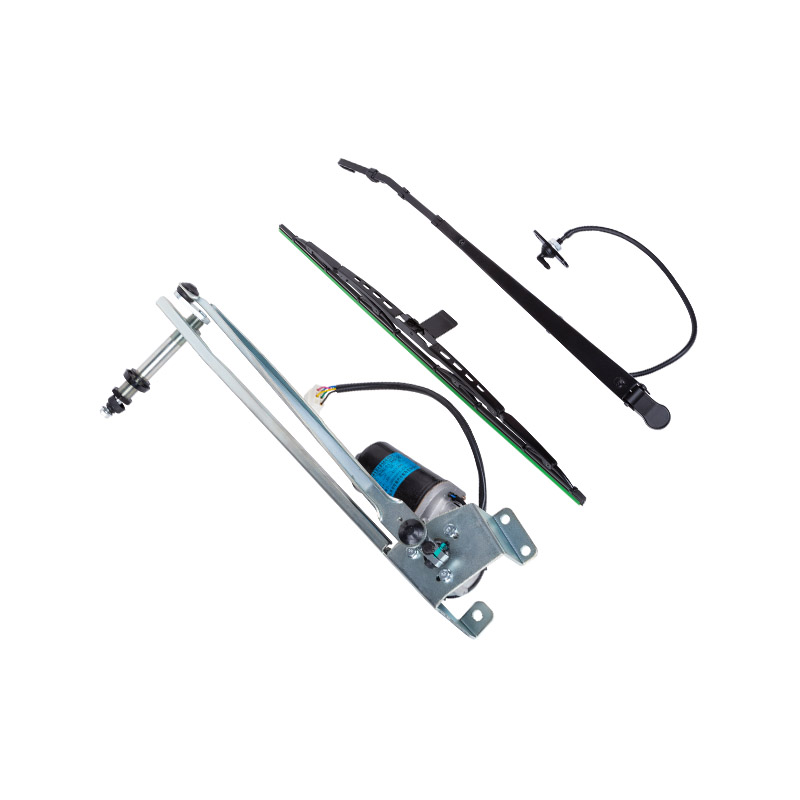
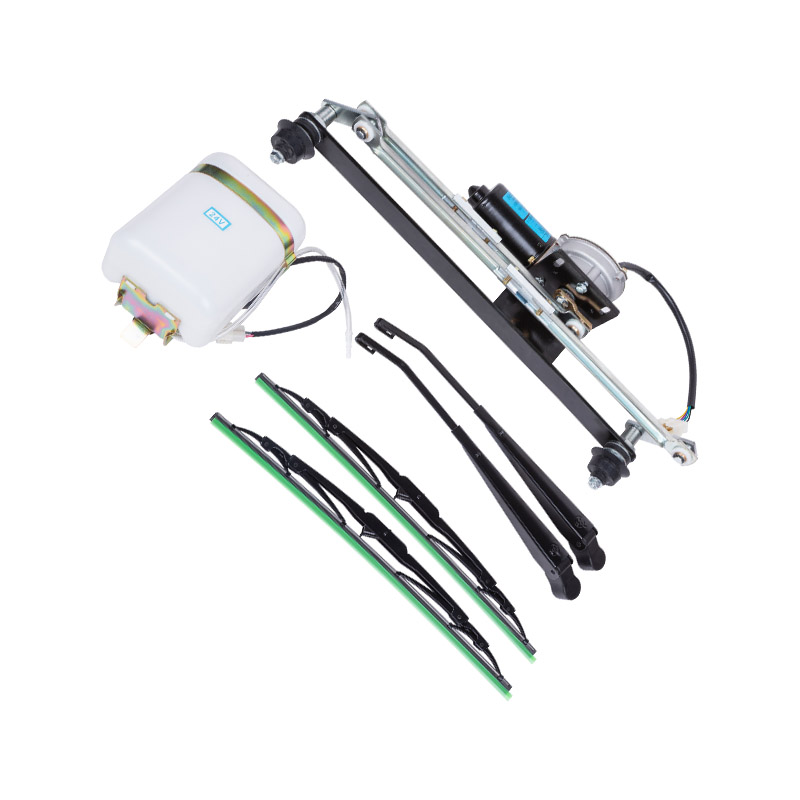
The wiper arm is only one part of a complete system. Its design must complement the wiper blade to achieve the intended wiping performance. Blade material, length, and curvature all affect how pressure is applied to the surface. In marine wiper kits, blades often include reinforced edges to handle high-speed water impact, while automotive wipers may focus on aerodynamic performance to reduce wind lift. Ensuring compatibility between the arm and blade helps maintain uniform pressure and prevents streaking during operation.
Maintenance and Longevity
Regular maintenance can significantly enhance the lifespan and performance of wiper systems. Stainless wiper arms require occasional cleaning to remove salt deposits or dirt, especially in marine environments. Car parts wipers benefit from routine inspection of arm tension and pivot integrity. Addressing wear early and replacing components as needed ensures consistent performance and maintains safety. Properly maintained wiper systems are more reliable, provide clearer visibility, and reduce the need for frequent replacements.
Designing a wiper arm for uniform pressure distribution requires careful attention to material, structure, mounting, and compatibility with blades. Stainless wiper arms offer durability and corrosion resistance, making them suitable for both automotive and marine applications. Whether part of a marine wiper kit or a car parts wiper system, well-designed arms enhance safety, efficiency, and overall user experience. Understanding these principles can help engineers, technicians, and operators make informed choices when selecting or maintaining wiper systems.