

 English
  Español
  русский
 Understanding Seasonal Impact on Wiper Blades
Wiper blades are essential components for maintaining clear visibility in vehicles, boats, and other machinery. The performance of wiper blades can be significantly affected by seasonal changes. During winter months, cold temperatures and ice can cause the rubber on wiper blades to harden, reducing their ability to clear water effectively. In contrast, summer heat and prolonged exposure to sunlight can advance to rubber deterioration and cracking. Being aware of these seasonal impacts allows users to take proactive steps to maintain wiper blade efficiency and extend their lifespan.
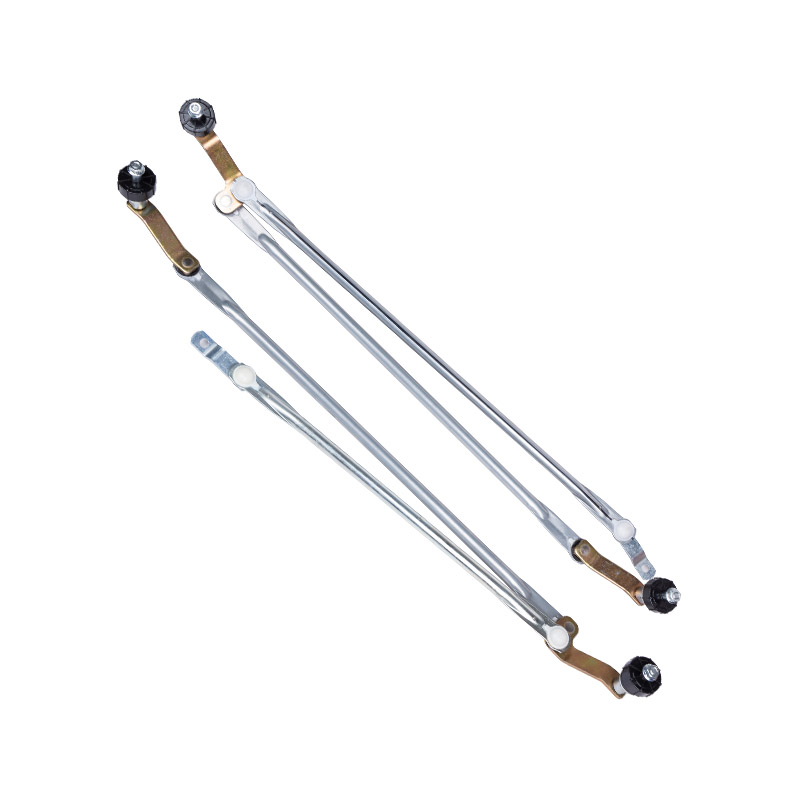
Preparing Wiper Blades for Winter
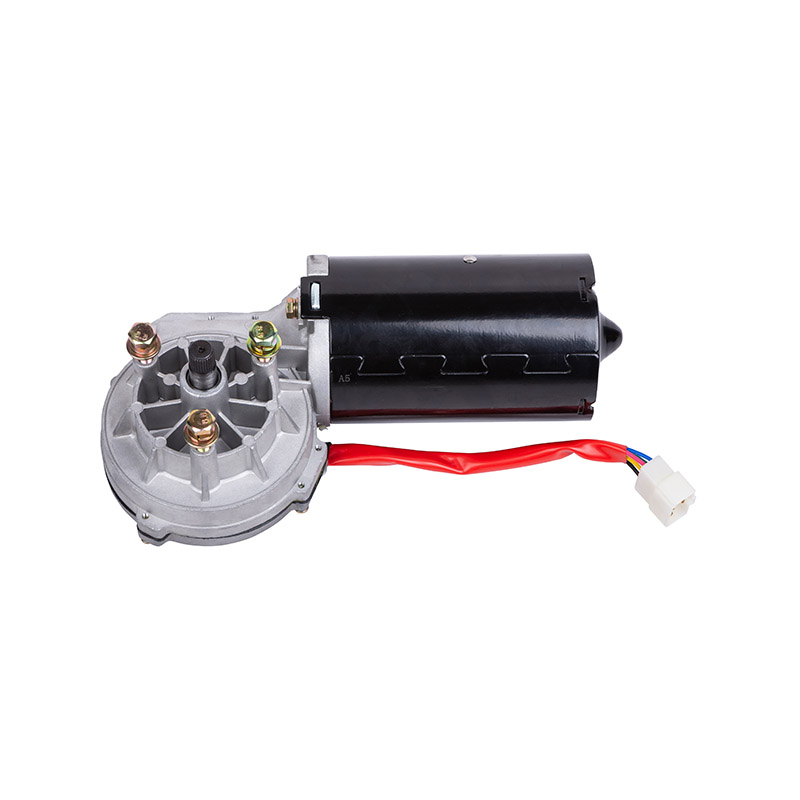
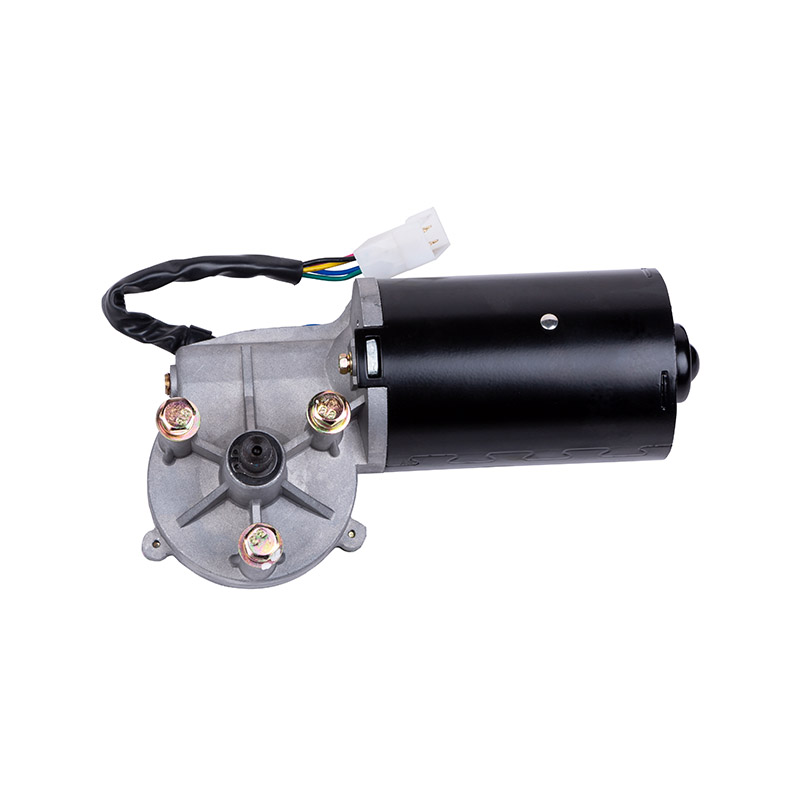
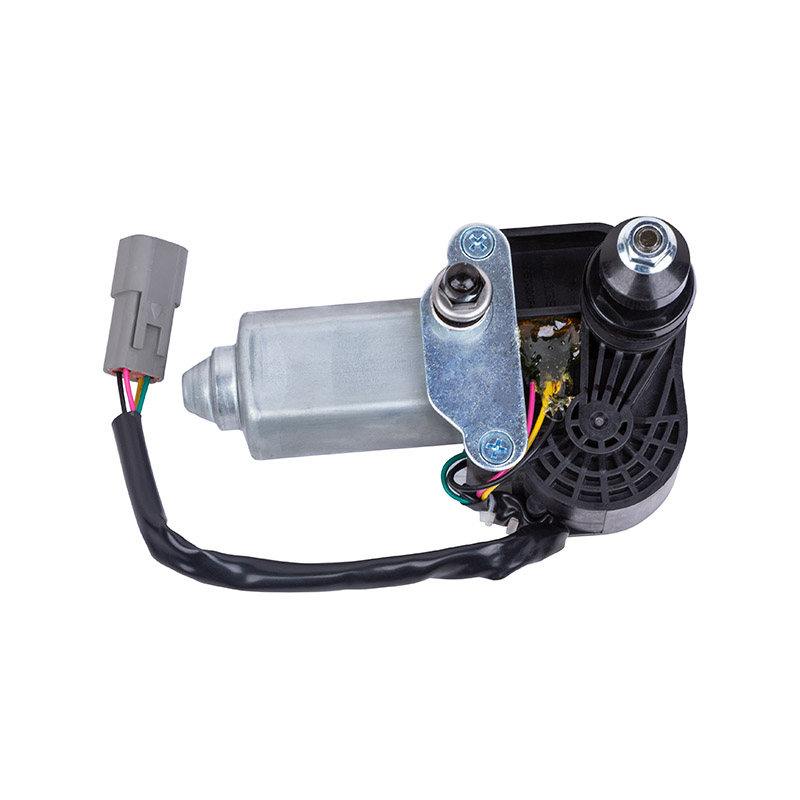
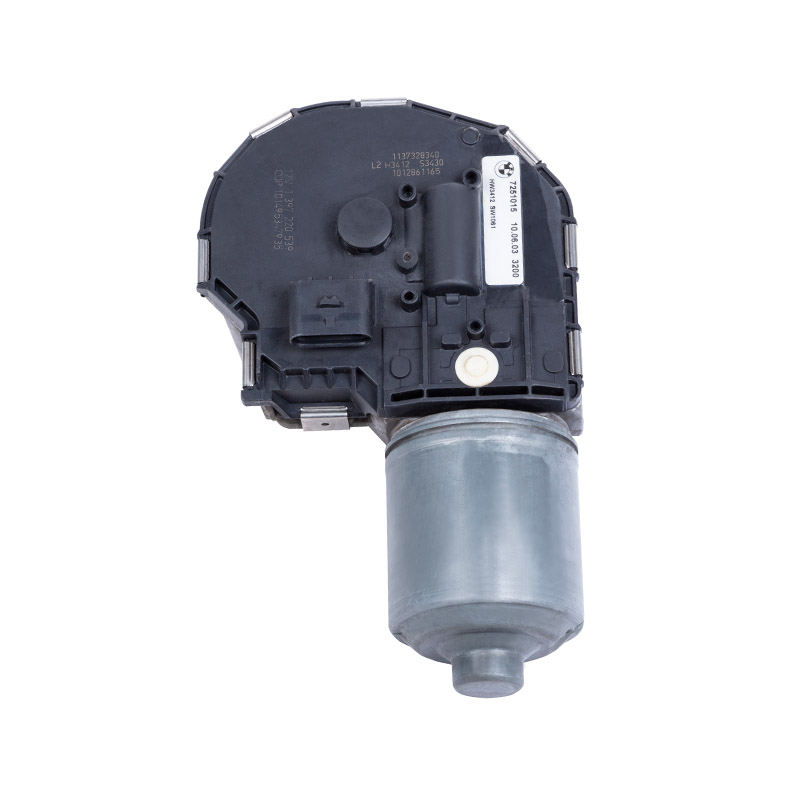
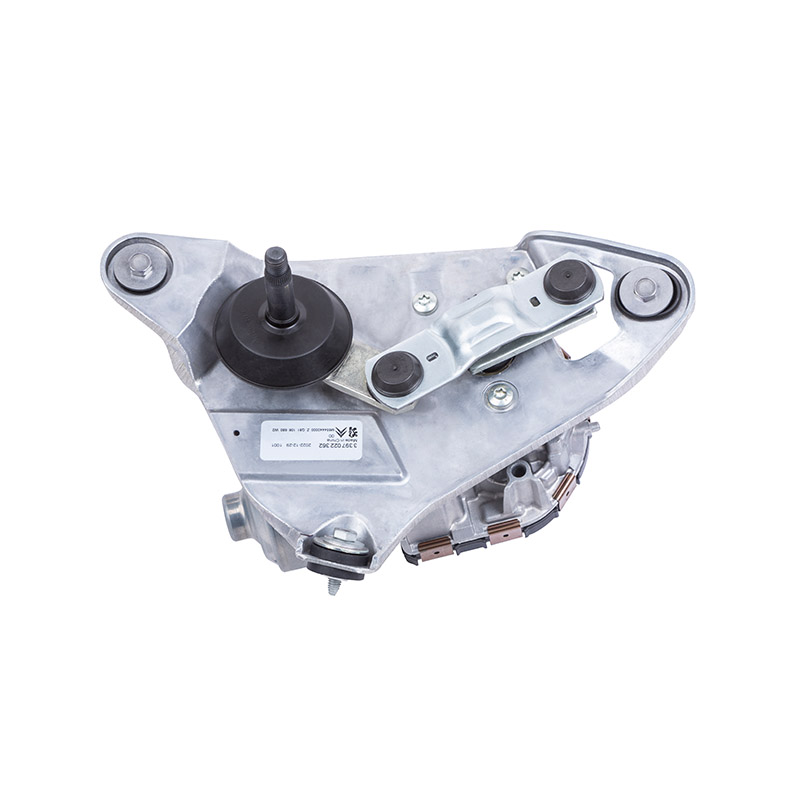
In colder climates, preparation is key to keeping wiper blades functioning properly. High performance wiper blades are designed to handle heavy rain and snow, but even they require attention before winter sets in. Inspect the blades for any signs of wear, such as cracks, fraying, or stiffness. Replacing worn blades ensures that ice and snow do not scratch the windshield or reduce visibility. For boats, checking the boat windshield wiper motor is equally important, as cold water and freezing conditions can affect motor performance. Ensuring the motor operates smoothly helps maintain consistent blade movement during harsh weather.
Summer Use and Protection
During summer, wiper blades are exposed to UV rays, high temperatures, and dust. These factors can accelerate rubber aging and reduce wiping efficiency. To protect blades during hot months, regularly clean the windshield and wiper blades to remove debris and prevent abrasion. Consider lifting the blades slightly when the vehicle is parked in direct sunlight for prolonged periods. Additionally, using high performance wiper blades that include UV-resistant rubber can help maintain their flexibility and improve water clearing on hot, rainy days.
Storage Recommendations
Proper storage of wiper blades when not in use can significantly extend their life. If storing spare wiper blades, keep them in a cool, dry place away from direct sunlight or heat sources. Avoid bending or twisting the blades, as this can damage the rubber or the internal support structure. For seasonal storage, it is advisable to remove wiper blades from boats or vehicles that will be idle for extended periods. Ensuring that blades do not remain in contact with frozen or very hot surfaces helps prevent deformation or cracking.
Accessories and Maintenance
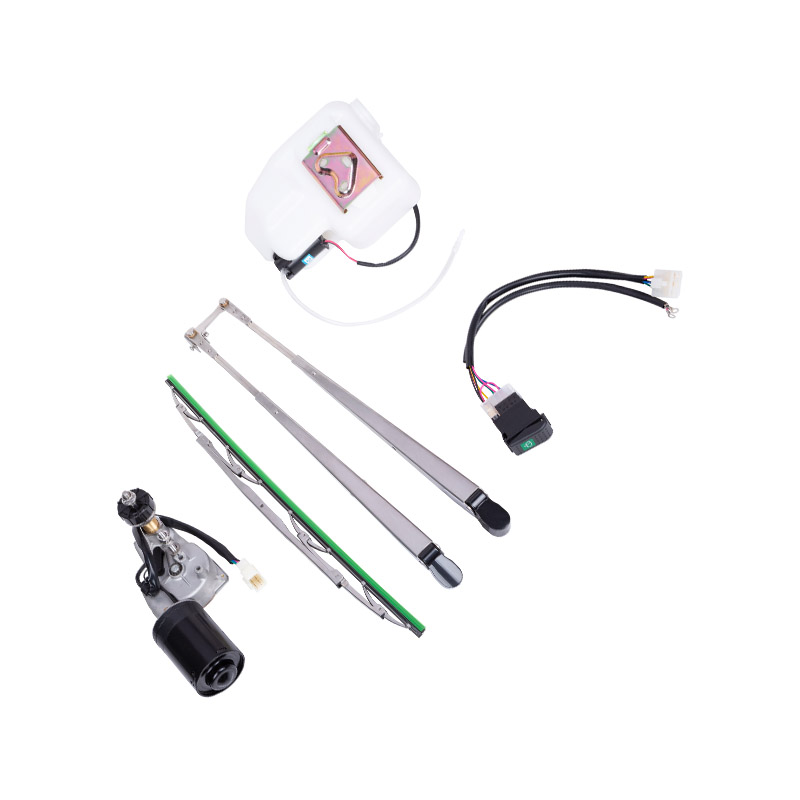
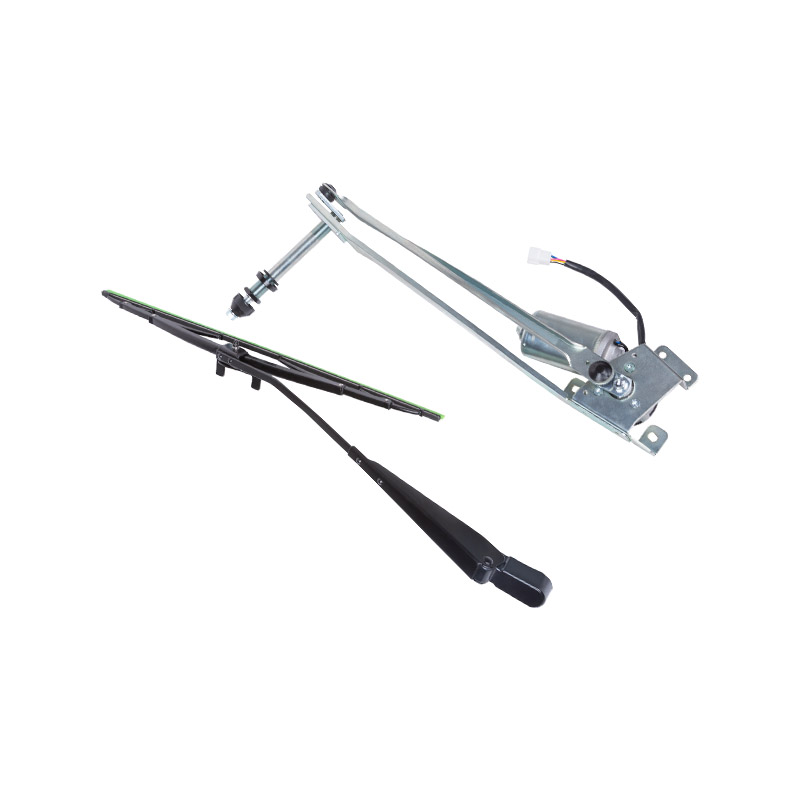
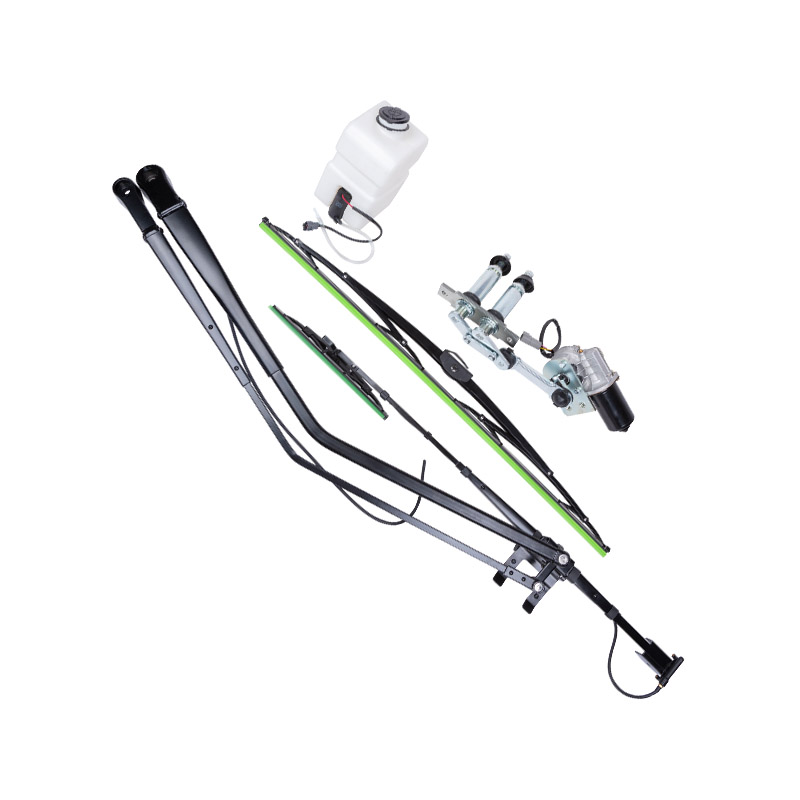
Using the right wiper blade accessories can improve performance and ease maintenance. Protective covers for parked vehicles, windshield cleaning solutions, and rubber conditioners can all contribute to smoother wiping and longer blade life. For boats and outdoor vehicles, accessories such as motor guards or splash shields help protect the boat windshield wiper motor from water damage, corrosion, and debris. Regular maintenance of both the wiper blades and related accessories reduces the likelihood of unexpected failure during seasonal changes.
Regular Inspection and Replacement
No matter how well blades are maintained, they are subject to wear over time. Seasonal inspection should include checking for rubber degradation, edge fraying, and performance during both light and heavy rain conditions. Replacing wiper blades at appropriate intervals, especially when preparing for winter or summer bads, ensures safety and consistent visibility. Using high performance wiper blades in combination with proper maintenance and accessories allows vehicles, boats, and machinery to operate efficiently in all weather conditions.
Understanding the seasonal effects on wiper blades and taking the necessary steps for preparation, use, and storage can help maintain clear visibility and prolong the life of your wiper system. Paying attention to the boat windshield wiper motor, using high performance blades, and incorporating suitable wiper blade accessories ensures reliable operation in varying weather conditions. Regular inspection, careful storage, and routine maintenance provide peace of mind and help keep windshields clear throughout the year.